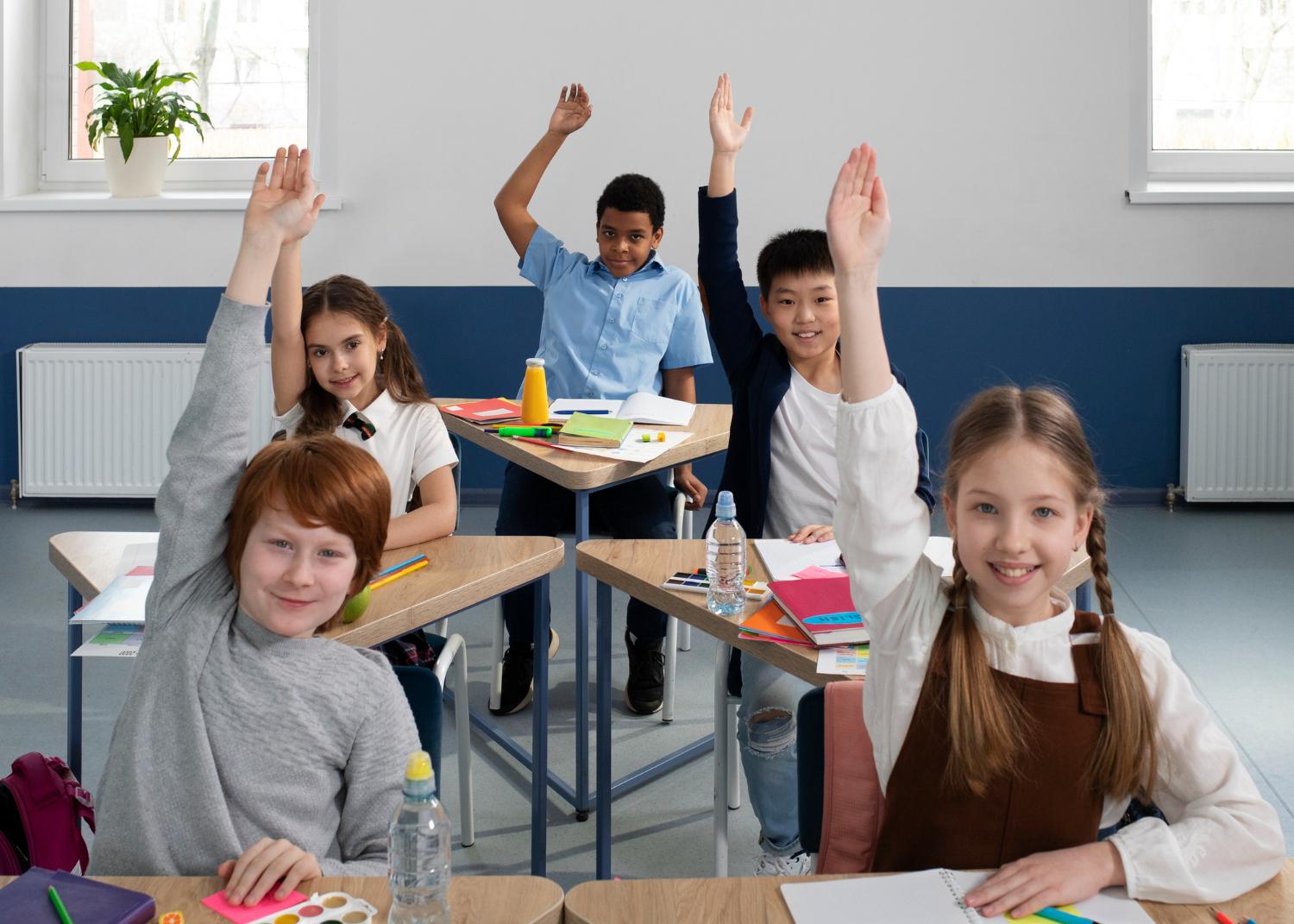
The United Arab Emirates (UAE) is famous for multiculturalism as a great number of people from different countries and with different ethnicities live there. Among the issues that schools bear a great responsibility for is the diversification of the population and the combination of cultural activity.
Let’s take a closer look at the role of schools in promoting cultural diversity in the UAE.
Role of School in Promoting Cultural Diversity
Here are the key role played by schools in promoting cultural diversity.
Creating an Inclusive Environment
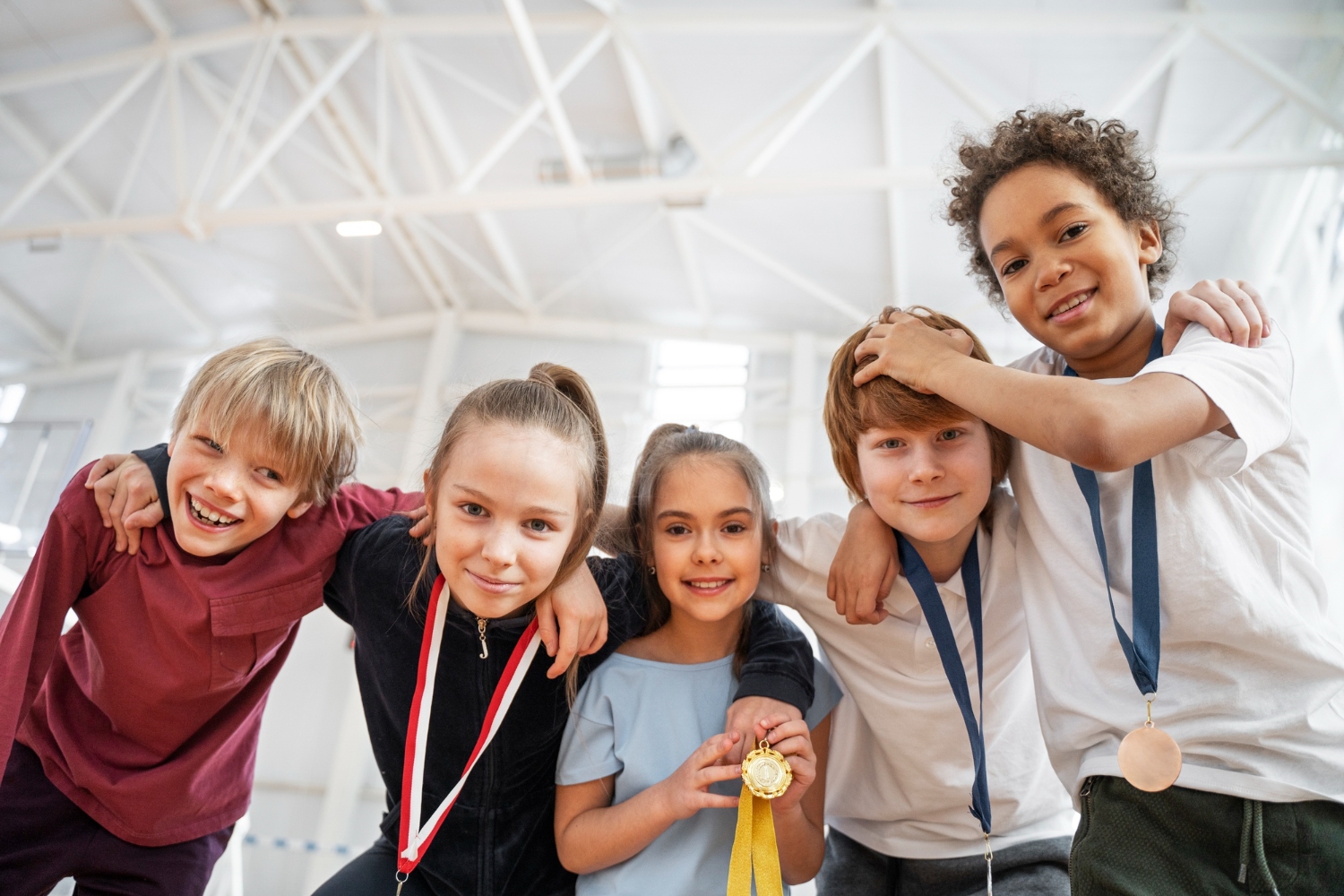
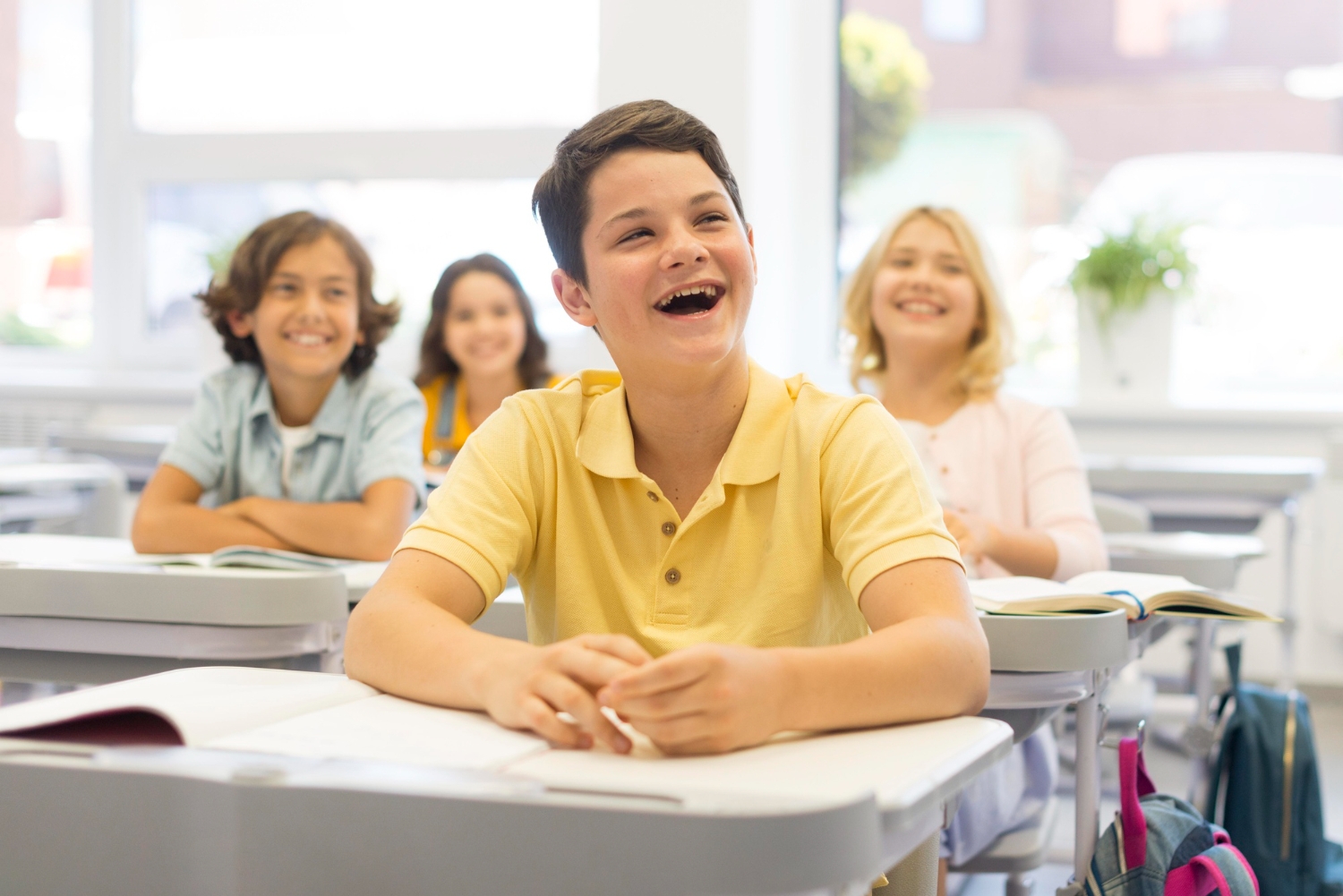
Inclusiveness is maintained because cultures in schools are respected and are given equal regard. Diversity management provides the body, the mind and the soul for students seeking quality education with a composite sense of appreciation of the diverse cultures existing in society. Talents are displayed through the organizing of cultural celebrations and events so that different cultures can be taught to other students.
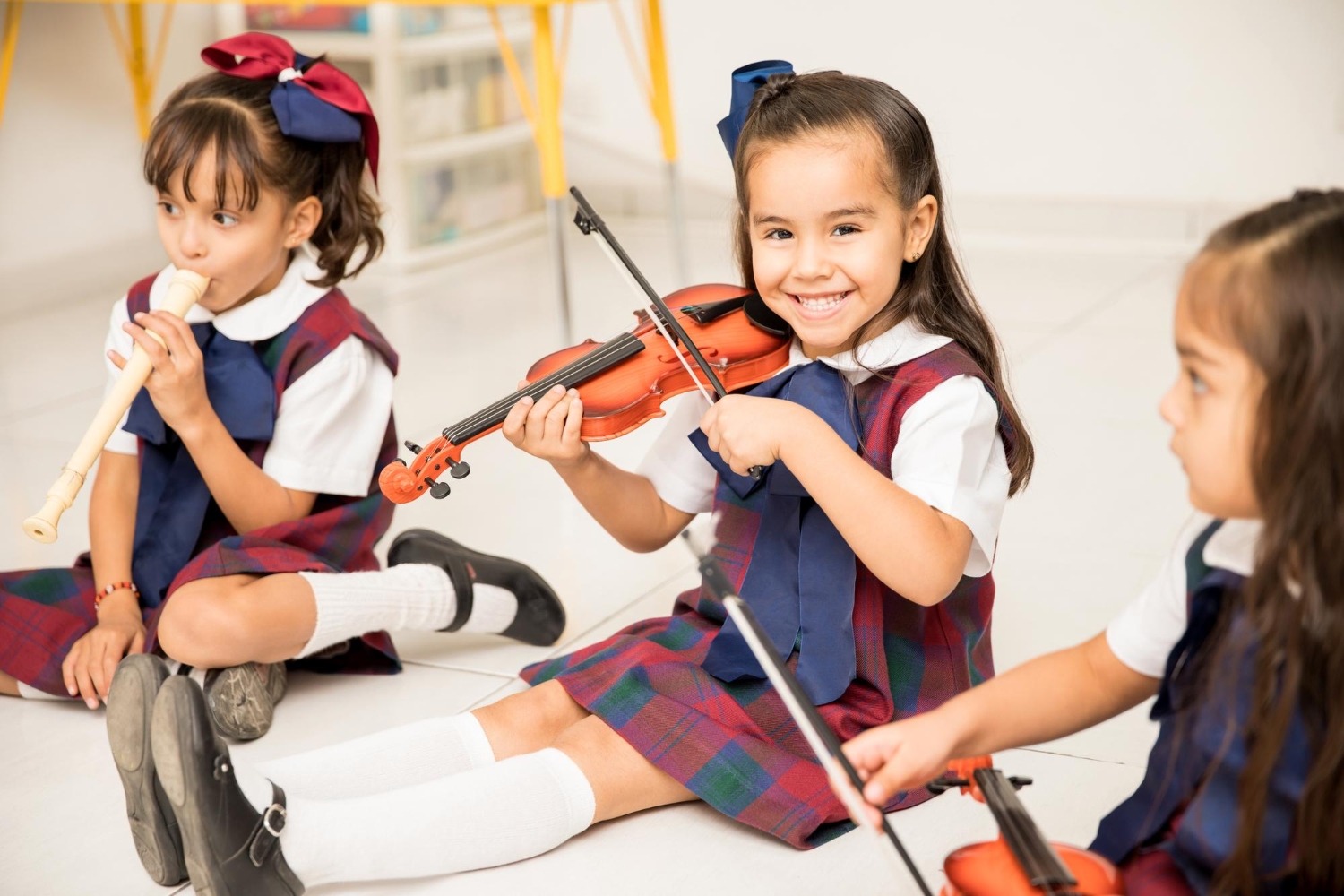
Multicultural days, festivals, and/or assemblies should be organized in schools to present focal music, dance, food, and customs. Such events give the students a touch of different cultures hence promoting appreciation and tolerance for the differences.
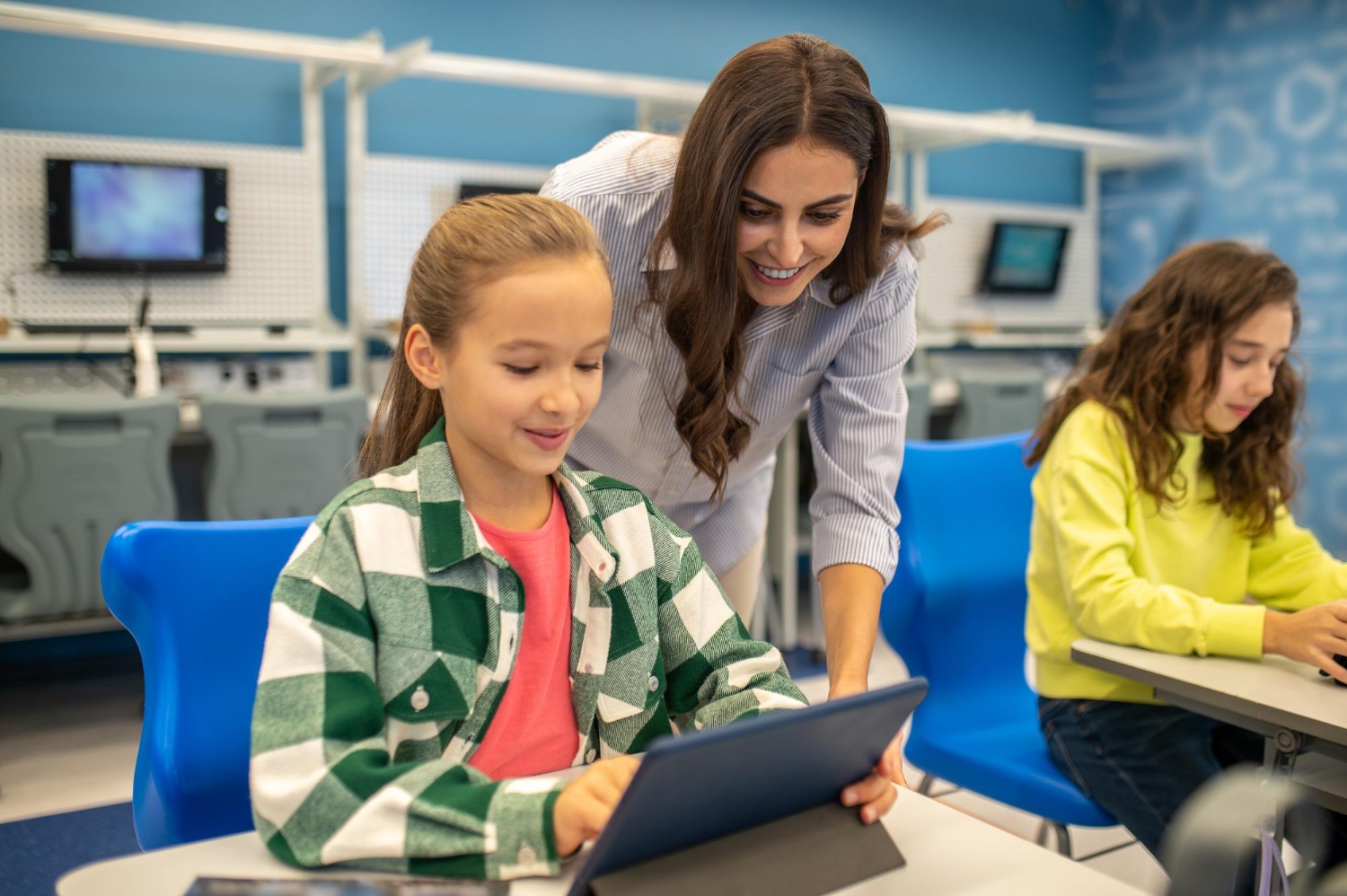
This is another essential strategy that schools use to embrace multiculturalism; the curriculum adopted in school must be diverse. This involves the organization of the curriculum in an integrated manner and, it embraces the identification of diverse cultures and interweaves them into the curriculum in various subjects including history literature and social studies.
Thus, students gain more knowledge about the cultures and discriminated people can understand the importance of a diverse culture. An inclusive curriculum assists the students in understanding that everyone’s input has merit and improves problem-solving skills.
Encouraging Intercultural Understanding
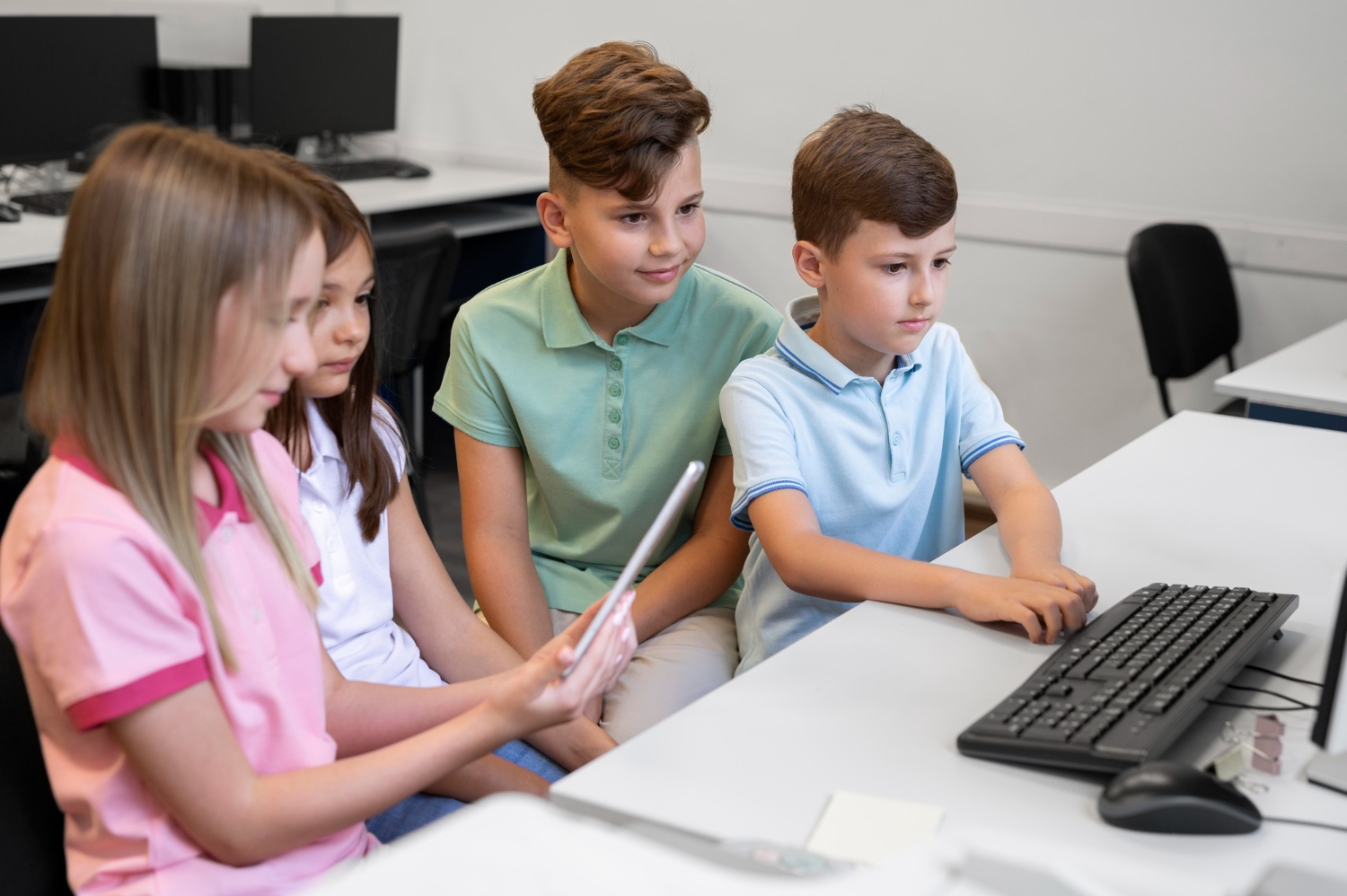
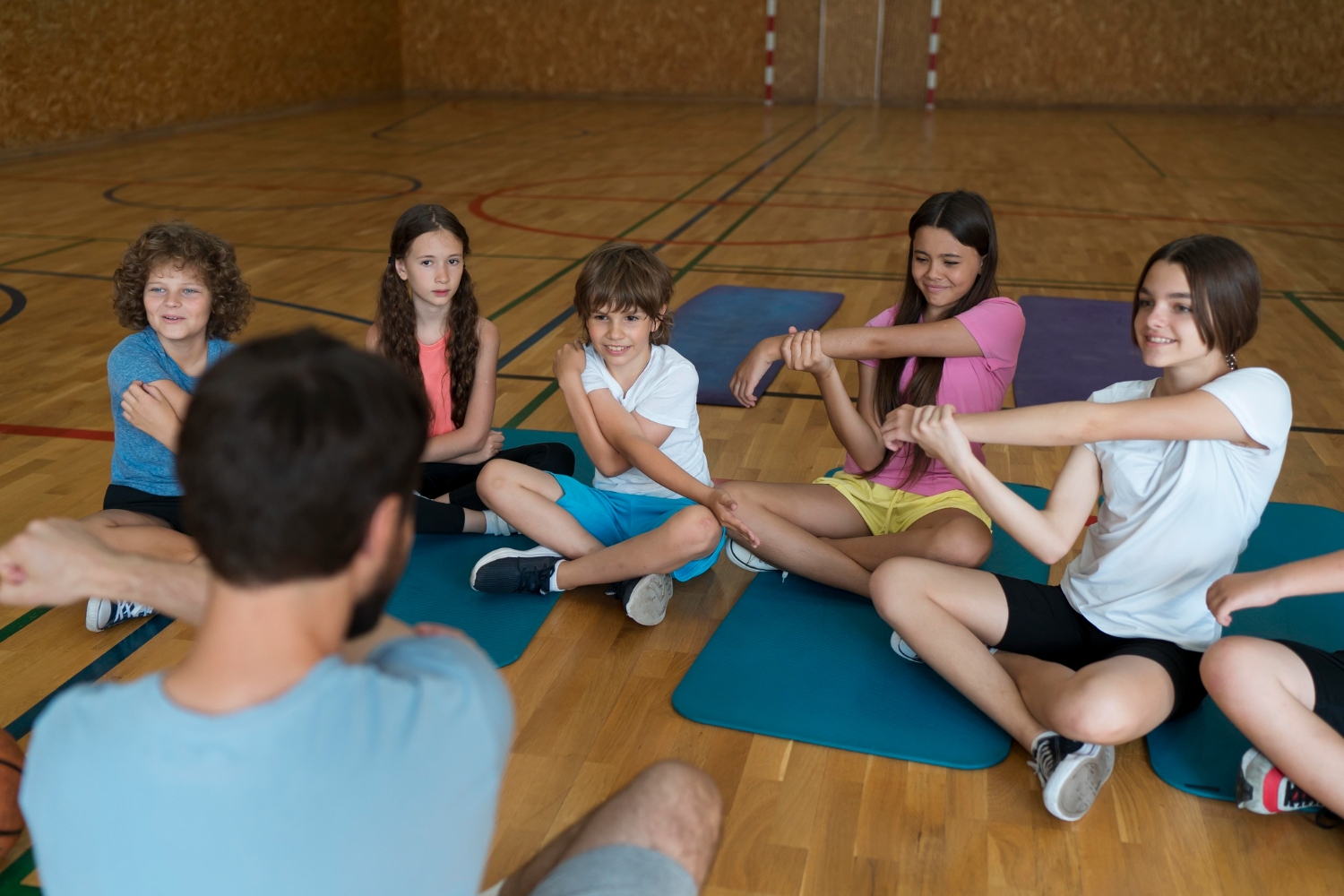
Intercultural communication is very crucial in a country that is host to various cultures as is the case with UAE. Some of the methods of realizing intercultural learning include dialogues and interactions with students from different cultures in schools. Group work and cultural exchange are some of the multicultural activities that enable students to interact with students from different cultural backgrounds. Thus, these activities assist students in the formation of a global outlook and one of the valuable life skills – empathy.
Another issue that is related to the development of intercultural communication is language programs. Teaching different languages for communication contributes to cultural institutions and improves interpersonal communication. This is an aspect that enables students, who learn other languages, to understand other cultures as well as the corresponding language. Language programs also assist students in effectively getting along with their fellow students from various cultures, thus improving the level of tolerance in society.
Fostering Respect and Tolerance
Schools are one of the areas, which are very sensitive to respect and tolerance amongst the students. The best method of combating cultural inequality in a school setting is to teach the learners the aspect of tolerance and othering.
This is accomplished by ensuring that the planned and executed programs to deal with bullying contain aspects of cultural discrimination. The steps also inform students that discrimination is wrong and instil the value of combating it in them.
Other methods include diversity training sessions which entail the development of respect and tolerance among the employees. Schools can arrange valued diversity seminars for the students and teachers to learn and promote awareness about cultural diversity. Such sessions can include issues like culture, prejudice, and diversity. In such forums, the students and staff of a school should be able to enhance their knowledge and skills in portraying a non-violence-promoting school environment.
The Possibilities of Establishing a Society of Global Citizens
Intentional efforts towards the promotion of cultural diversity in schools assist in the development of the citizens of the world. It also enhances the likelihood of the students gaining the global mindset as well as being receptive to the different cultures since the students grow up in a diverse cultural setting. In this process, schools can help by integrating elements of global citizenship education into the curriculum. This includes giving students knowledge on matters that transverse the globe like environmental conservation, human rights, and social justice.
Interchange and exchange programs and cooperation with foreign institutions also contribute to the formation of a society of active citizens of the world. Through the Internet, schools can collaborate with schools in other counties due to student exchange programmes.
Such programmes give the students a chance to learn about different cultures from other parts of the world and hence understand some of the global factors at play. Thus, by engaging in these programs, learners gain a better understanding of their position in the world and will be able to address challenges relating to multiculturalism and globalization.
Holders of this policy work towards the enhancement of the teaching of cultural diversity in schools in the UAE. The provision of an improved environment that addresses issues of diversity offers support towards the enhancement of teaching that covers the issues of intercultural relations and encourages respect and tolerance. Therefore irrespective of the growth and development the UAE is experiencing, the encouragement of cultural diversity among students is crucial particularly in schools.