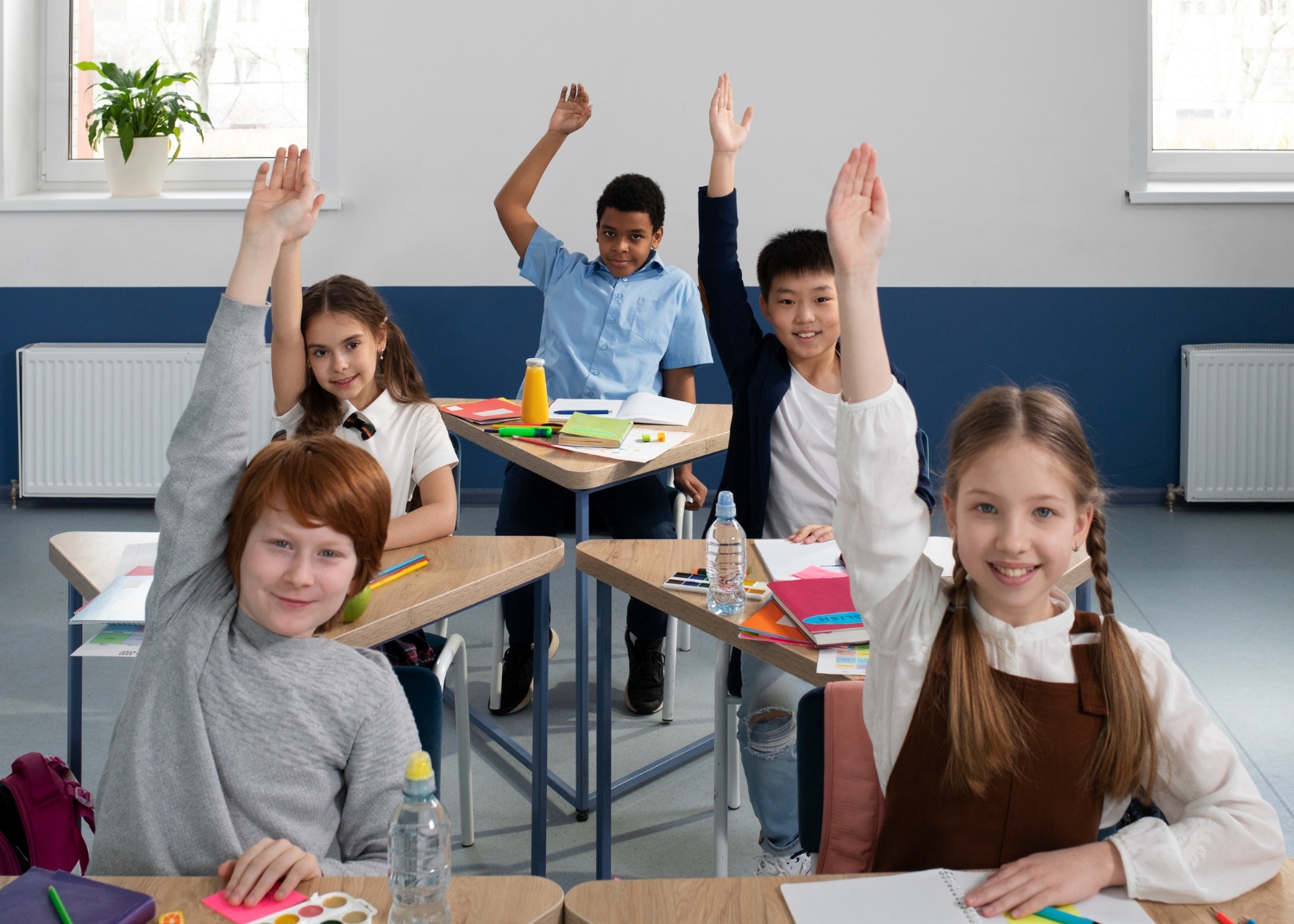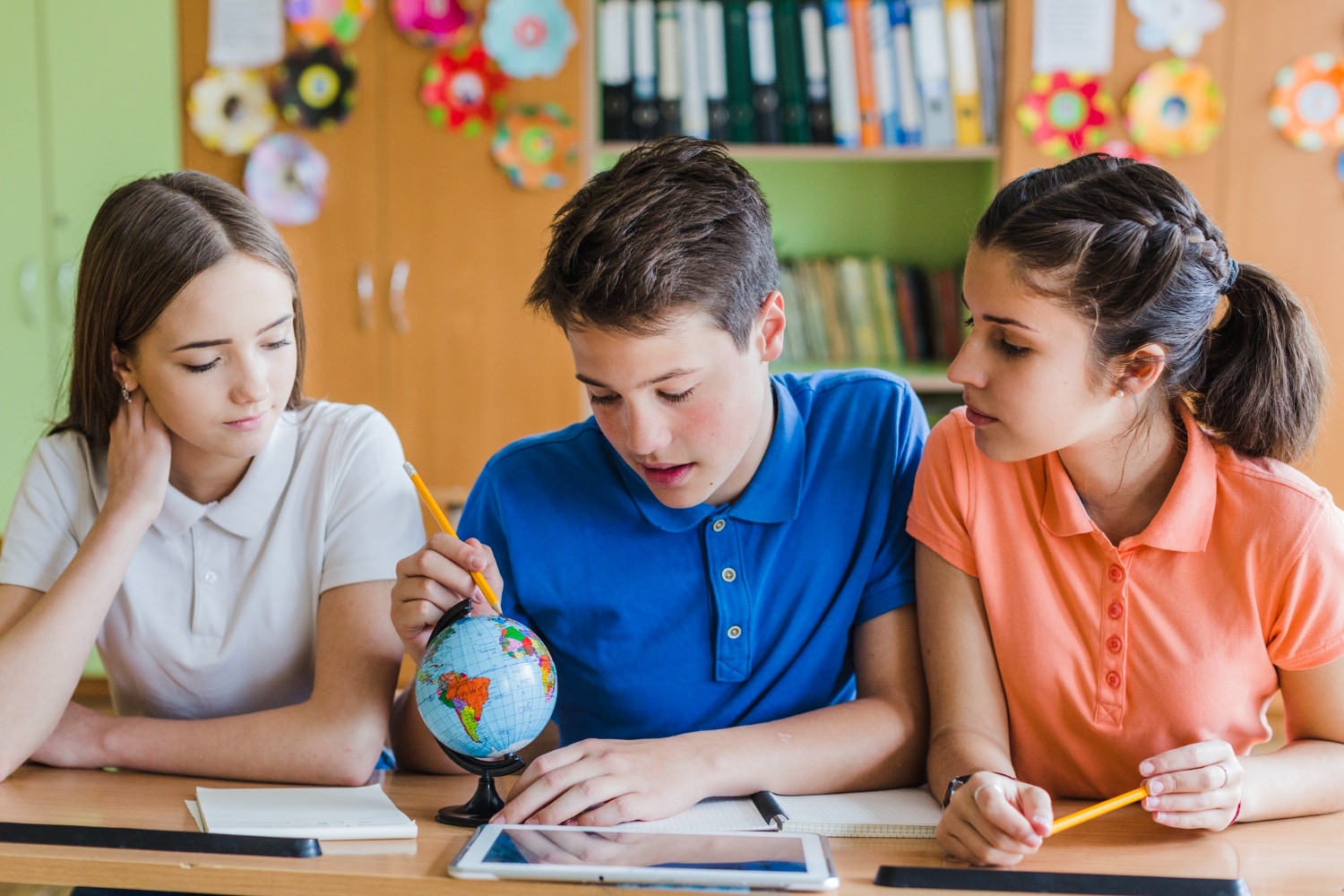
The global education crisis has significantly affected countries around the world and UAE is no exception. The Emirates, even with its ambitious educational goals and progressive vision, has not been immune to these effects. Whether it’s students’ mental health or teachers' training and development, all sectors have been affected by the global crises.
Here we have discussed some of the major impacts of the global education crisis in the UAE.
Impacts of the Global Education Crisis
The education landscape of the UAE is designed to cater to global crises. However, a few global crises like the pandemic have affected the education system. Following are some core impacts of global education crises on the education in the UAE.
Disruptions in Learning
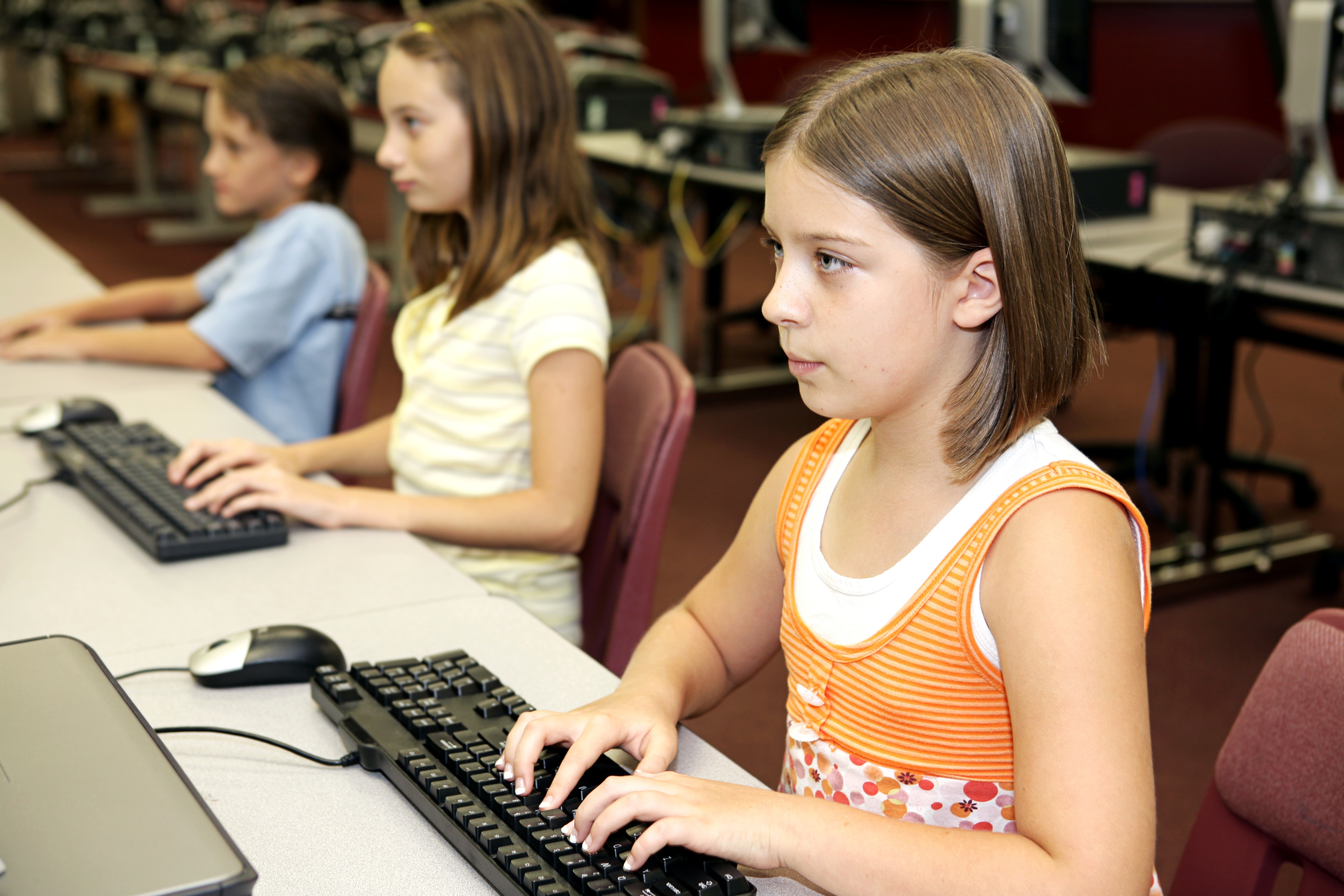
The crisis of global education has interrupted the learning of students, affecting their overall academic progress. Schools across the Emirates have adopted innovative learning technologies to ensure continuity in education. Although this transition serves as a challenge, it has spurred innovations in digital education.
Moreover, it has also increased accessibility to learning resources. It is noteworthy that the initial shift has impacted the quality of education, but students and teachers both have adjusted to it eventually.
Equal Access to Quality Education
The global education crisis has highlighted some disparities in access to quality education. Efforts have been made in the UAE to bridge these gaps. The government has ensured the provision of digital devices and internet access across the country. Despite these efforts, few students still face barriers due to technological limitations or limited support at home.
Mental Health and Well-being
The uncertainty generated due to the crises has significantly impacted students' and teachers’ mental health. Considering the importance of addressing mental health issues, multiple initiatives have been taken. Education institutes have created digital support systems and focus on counselling services to help students and teachers.
Nevertheless, the long period of crises and isolation fueled by the stress of adapting to new learning environments have taken a toll on many. This is one of the major reasons which lead to the imbalance in the mental health and well-being of teachers and students.
Teachers’ Training and Development
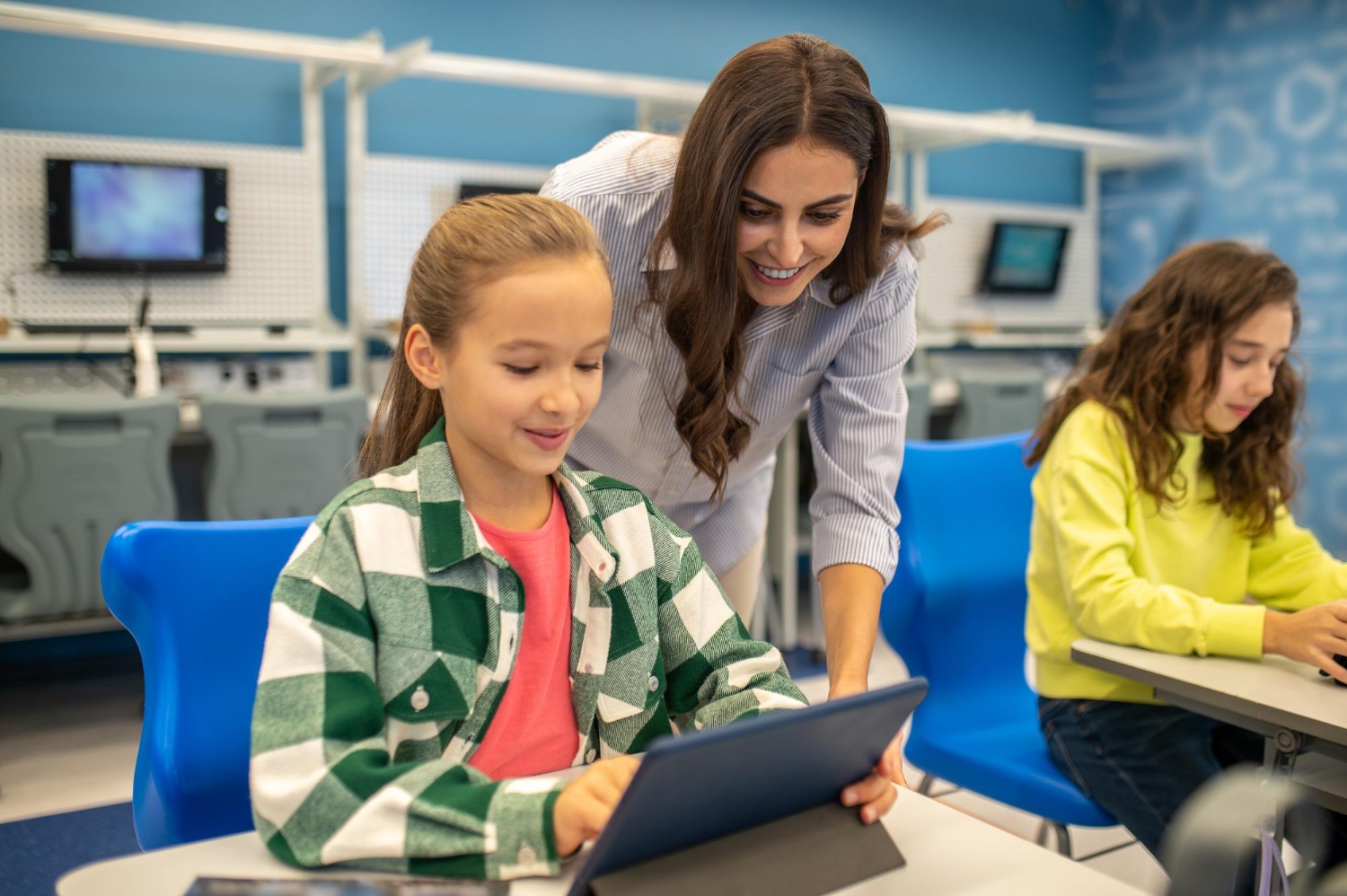
Teachers are obligated to quickly adapt to new and innovative teaching methods and technologies. Although schools have invested in professional development programs for teachers, the transition is too rapid.
Many teachers possess skills needed for effective online and hybrid teaching that maintains the quality of education remains high. However, the rapid pace of change has been overwhelming for some educators. This additional pressure leads to burnout and a requirement for ongoing support and resources.
Enhancement of Existing Challenges
The global education crisis enhances the existing challenges of the education system. Issues such as disparities in educational outcomes and resource allocation have been intensified after the crisis.
Schools with limited funding are struggling to provide the required technological infrastructure, leading to gaps in the provision of education. Furthermore, students with special educational needs have faced particular difficulties in accessing appropriate support during the crises.
Adoption of Innovative Educational Practices
During the crisis, a wave of innovative educational practices has spurred. Schools across the country have adopted hybrid learning models, combining online and in-person instructions. This allows schools to offer flexible and personalised learning experiences to students. Moreover, the innovation is also helping to modernise the education system and prepare stakeholders for the future.
Increase Parental Engagement
The recent incline towards remote learning has enhanced the involvement of parents in the educational processes of their children. Now, parents are required to play a more active role in their children's education, creating stronger partnerships between schools and families. Aside from partnership, this practice also increases engagement, fostering a more supportive educational environment.
These were all the impacts of the global education crises on education in the UAE. The global education crisis poses significant challenges for the UAE's education system. However, through frequent adaptation and technological innovation, the UAE is navigating these challenges effectively. This is one of the reasons that the UAE has become a hotspot for educational institutes. You can browse through Schoolio and have a look at a diverse range of educational institutes in the Emirates.