School libraries are a gateway to lifelong learning and knowledge for students. The history of libraries dates back centuries when it was used for research, self-study and collaboration. With time, the role and functionality of school libraries have changed significantly catering to modern requirements. In the UAE, modern school libraries are equipped with technologically advanced features providing all the necessary resources to students.
Let’s discuss some benefits of school libraries in the UAE and how students can avail of them.
Benefits of School Libraries
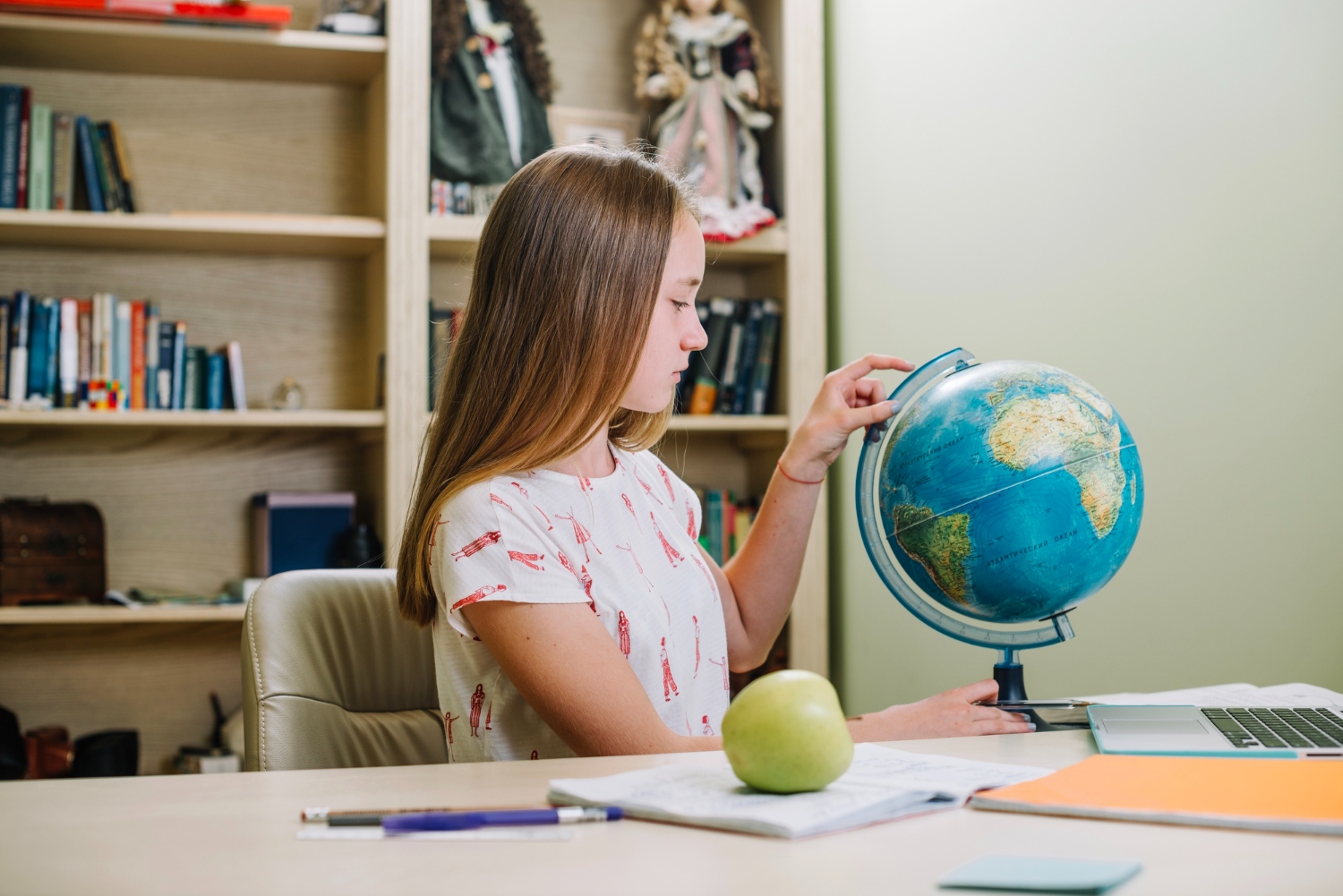
School libraries have long been a vital component of the education system. The libraries within the school allow students to read and self-study on different subjects.
Following are some other benefits of school libraries in the UAE.
Supports Practice of Reading
The first on the list of benefits of school libraries is reading. Students require a bunch of skills to succeed in academics, and reading tops the list of such skills. The school library provides ample support and resources to develop the reading skills of a student.
The comprehensive collection of books including literature of all types, encyclopaedias and guidebooks, allows students to have a firm grip on subjects.
Provide Academic Edge
School libraries are not only for gaining more knowledge and reading, sometimes they help students catch up with their syllabus. The students who have a backlog of their course, due to any reason, can opt for libraries and cover the backlog. Moreover, extra classes and lessons can be taken by teachers in the library to provide students with the necessary support they require.
Alongside extra support, the learning environment provided by the libraries helps students focus and increase their knowledge base. This provides students with a competitive edge in their academics.
Enhance Concentration
The environment provided by the library can help students in multiple ways including concentration. The quiet and peaceful environment helps students to focus on their reading and comprehend the literature properly.
Similarly, while self-studying, concentration allows students to complete their tasks efficiently and in a timely manner.
Increase General Affair Knowledge
The vast collection of digital and printed books allows students to increase their knowledge of different subjects, especially general affairs. Libraries usually are equipped with different encyclopaedias and books on current affairs and contemporary non-fiction to help students.
Moreover, the libraries also contain published papers from different journals which is necessary to increase students’ current affairs knowledge.
Emotional Support
The library provides privacy and a safe and comfortable environment for students to discuss their emotional issues. The space is often used by school counsellors to observe and mentor students suffering from emotional issues.
Develop Research Skills
Research is a lifelong skill that is required by students at different stages of life. School libraries serve as a cornerstone in developing and polishing research skills. Libraries usually have databases of published papers from different journals which enable students to increase their research skills.
Synthesising, evaluating and locating information from these papers is the core of enhancing research skills. By this, students become more familiar with the process of collecting and processing information, which is helpful for the future.
Help Teachers
School libraries are not only limited to students, they also help teachers. Teachers can visit libraries to broaden their knowledge base on a specific subject. This allows teachers to have a firm grip on a lesson leading to better understanding and lecture delivery.
These were all the benefits of school libraries in the UAE. Having a school library helps students not only in academics but also in extracurricular activities. Therefore, when looking for a school in the UAE for your child, make sure it has a proper library. Browse through Schoolio to find an appropriate school for your child.