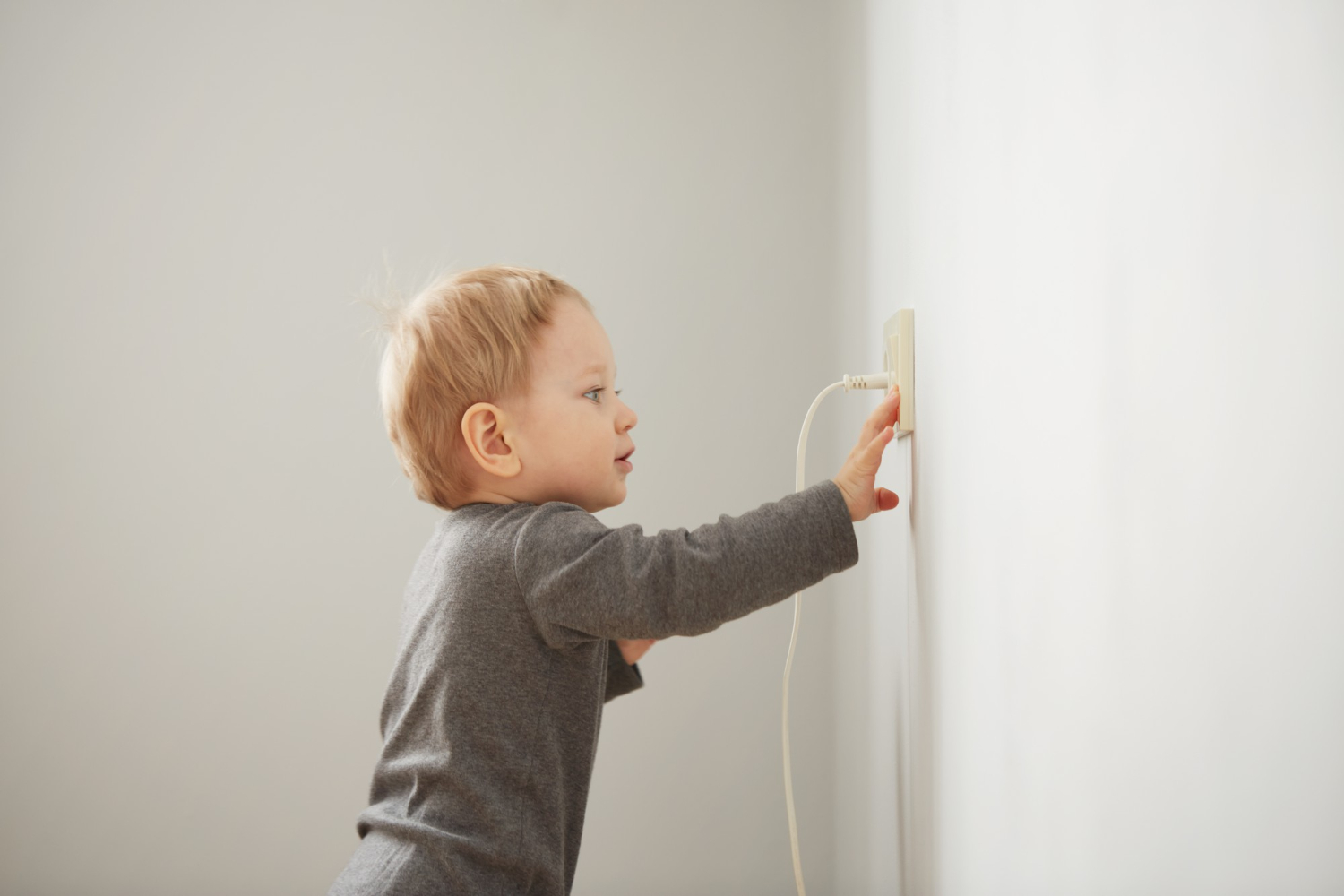
While toddlers explore the surroundings and become more active, they become interested in a variety of things. This curiosity can yield great benefits and can result in great discoveries but then settles various safety issues. Toddler safety refers to the general evaluation of possible dangers from which one can defend a toddler and how.
Let’s take a look at how to ensure toddler safety without affecting their exploration habit.
Car Seat Safety
The issue of car seat utilization is probably one of the most important areas that defines the safety of a toddler. It is tremendously important to ensure the child is well secured in the car seat for they stand a lesser chance of getting injured in the event of an accident.
Here are some key points to consider.
Age and Size Appropriateness
Check whether the car seat meets the requirement of current age, weight, and height of the toddler. Keep your child rear-facing as long as possible since the type of seat offers the greatest level of protection to the youngest passengers. Rear-facing car seat use until a child is two years old or the child reaches the weight or height set by the manufacturer.
Installation
As it has been mentioned before, proper installation should be done in accordance to the manufacturer’s instructions. Most parents find it advisable to carry their child to a technician who has been certified in child passenger safety to have the installation checked.
Harnessing
Make sure the five-point harness which is usually supplied together with the car seat is always used. The harness should be tight around your child’s body, the chest clip should be at the height of the child’s armpits. Do not wear clothes that incorporate any material that will hamper the comfortable wear of the harness.
Back Seat Riding
It is prohibited for children below the age of 13 years to sit at the front seat and this should include toddlers. Children should always sit at the back because it minimizes the probability of the head hitting the backrest owing to an inflated air bag.
Never Leave Child Alone
In the case of a child, it should be mentioned that they must never be left alone in a car or truck even for a few minutes. The inside of a car heats up to dangerous levels that results in heatstroke and young children may fiddle with the gears or locks.
Safe Toy Choices
It is crucial to pay a lot of attention when choosing toys for a toddler in order to avoid casualties and falls. Here are some tips to help you choose appropriate toys.
Follow Age Recommendations
Ensure that you look at the age-limits stated on the packaging of toys. Products developed for children of a higher age can be dangerous to toddlers in that they have loose parts that can easily be choked on.
Avoid Small Parts
Avoid toys that have small parts which are easily detachable and are a choking/ inhalation hazard. Select bulky toys to help reduce the chances of your child choking on the toy.
Non-Toxic Materials
Always buy toys that are BPA free especially if you have a toddler who like to put things in their mouth. Always ensure that the toys are free from BPA and any other dangerous chemicals in the market.
Durability
Choose toys that the child can chew, throw, shake, tear, and otherwise scrunch up and devour. These can be toys that have edges or points that can hurt the child when they come across them when playing.
Check for Wear and Tear
It is also important to check your toddler's toys often to ensure that they are not damaged in anyway. Throw away such toys which are damaged or have elements which may come off since they may be dangerous to the children.
Cleanliness
Toss toys that your toddler often places in their mouth or any toys that are taken frequently outdoors, wash others thoroughly. Cleaning has the benefit of lowering the likelihood of getting ill.
Emergency Preparedness
Regarding the safety of the toddler, it can be stated that it is vital to be prepared for emergencies. Here are some steps you can take to ensure maximum safety of a toddler.
Assemble a First Aid Kit
Prepare a first aid kit having basic supplies like adhesive bandage, antiseptic wipes, gauze pad, tweezers, and digital thermometer. Make it easily retrievable and briefly go through the document so that it is fresh in your mind.
Include Emergency Numbers
Make it a point to write down your pediatrician’s number, the number of a poison control center, and the emergency numbers of your area.
Install Smoke Alarms
Test all smoke alarms monthly, and have an interconnect system so all are announced at the same time. Replace the batteries at least once a year or whenever it is convenient to do so.
Create an Escape Plan
A fire escape plan must be created with two ways of exiting a room and a predetermined assembly point. Repeat the plan with your toddler so that, in the event of an emergency, he or she understands what to do.
Supervise Round-the-clock
You never need to leave your toddler alone near water like bathtubs, pools and even buckets. Drowning happens in rather little amounts of water, even when the water is only a few inches deep.
Learn CPR
It is also advised to take a CPR and or a first aid course especially if there is an emergency that may arise. Officers must know how to reason and perform in dangerous and tense conditions as this can be a matter of life and death.
Toddlers are independent, full of energy and curious; therefore, constant supervision and safety measures are necessary. Similar is the case with car safety seats, buying an appropriate one with proper safety is essential for a child’s safety. It is important to remember though, that safety is ongoing and it is always beneficial to take time out to review your home and the safety of the activities in which your child participates.


