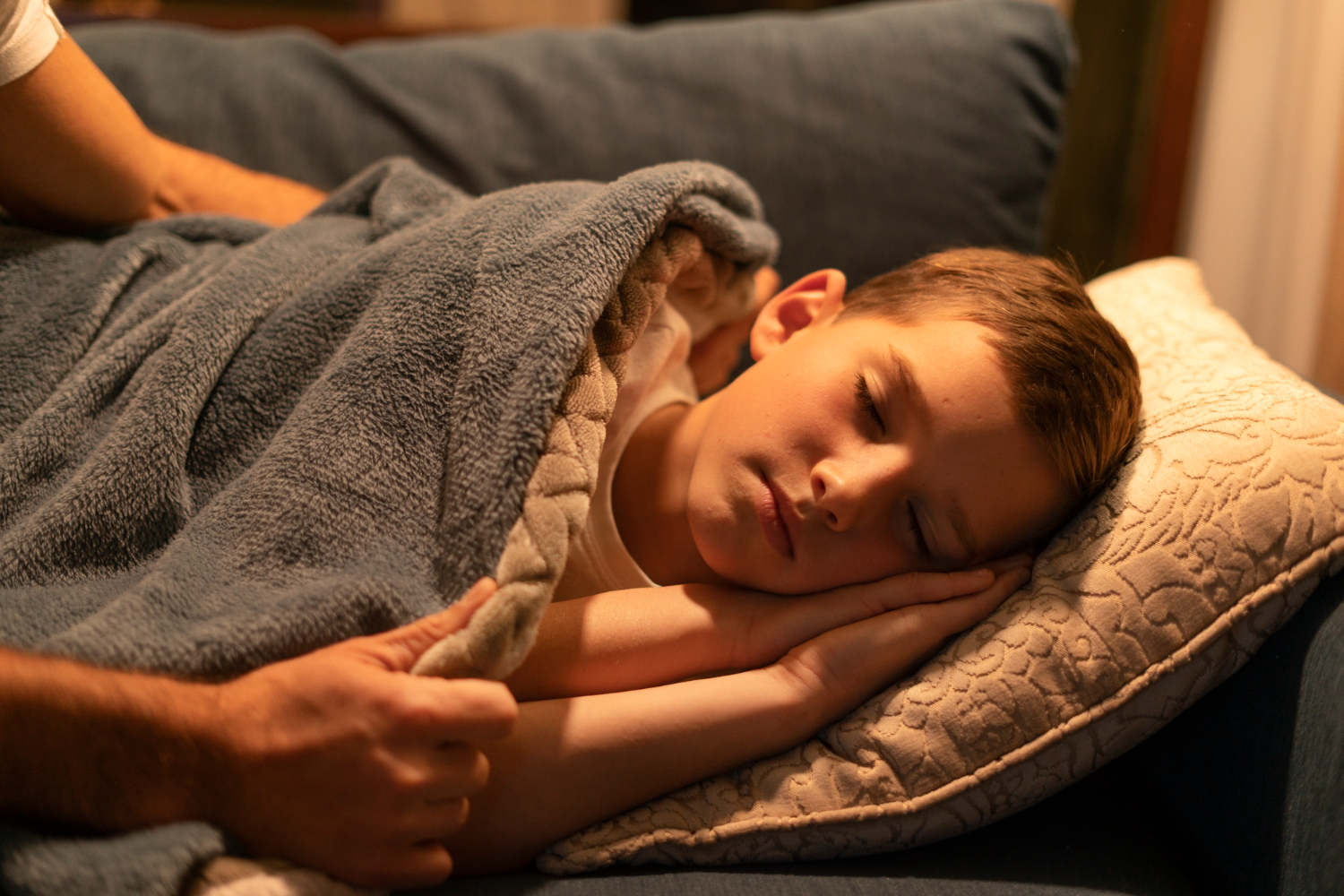
As you may know, every child, especially a preschooler, needs to have a good night's sleep so as to grow healthy and well. This stage is when children are coming out of the baby stage and establishing new sleep patterns which can on occasion be bothersome for the kid. Fortunately, by following all the recommendations for safe sleep, you can help your child have a comfortable night’s sleep and be protected all night long.
Let’s take a look at safe sleep practices for a preschooler.
Safe Sleep Practices
Following are some of the safe sleep practices for a preschooler.
Establish a Consistent Bedtime Routine
It will be important that your child creates a proper sleep schedule that is followed to the letter.
In the case of sleep schedules, the rule of thumb is that they should be consistent. As a routine, it eventually gets to the point where you know that at such a time it will be the right time to sleep. This could be a warm bath, brushing the teeth, being told a story or being read some rhymes and lullabies. The fact that the practice is quite common as people sing lullabies to babies and children, it will be easy for your child to let herself be eased into sleep.
Create a Safe Sleep Environment
The sleep context of the preschooler is extremely critical because the child’s sleep environment will determine the quality of sleep they get. Always ensure that their bed is safe and that there are no toys, or loose accessories like bed sheets that can harm the baby by causing suffocation. The mattress must also be firm and those that are used in the bedroom must be placed in such a manner that there are no gaps between the bed frame and mattress. Also, if your child cannot sleep because of the darkness, they can be given a night lamp, but it should be rather weak.
Monitor Room Temperature
The temperature of the room plays a big role in determining the quality of sleep your child will have. Maintain the temperature of the room comfortably, it is best suited at 65-70 degrees Fahrenheit or 18-21 degrees Celsius. Make your child dress in light clothing or fitted night clothing that enables them to breathe well easily without complications of overheating, and also avoid using heavy blankets. Hyperthermia is a well-established predisposing factor to sleep disorders.
Encourage Independent Sleep
It may be quite convenient to lie beside the child and sing the child to sleep, it is quite helpful to train the child on how to sleep on their own. They ought to be gradually taught how to self-comfort before going to sleep and this helps in avoiding the instances of night waking. If your child develops a fear of solitude, first sit beside them and by successive removals move your chair to a little farther distance until they can sleep well alone.
Avoid Stimulants Before Bedtime
Children of this age are very active and often this is the reason why they need some guidance when it comes to going to sleep. Forbid the child to watch TV, play computer games or play sports or any other physically demanding activity, at least one hour prior to sleeping. However, it is advisable to avoid exciting games and encourage the child to read or take part in other low-energy games that will make the child sleepy.
Address Nighttime Fears
Night terror is also very common in preschool-going kids, including fear of darkness, monsters and other nightmares. Say to your child something like, ‘I understand that you are scared,’ say something positive, and then give them tools and coping mechanisms. For instance, a night light, a stuffed toy, or maybe deep breathing techniques to use. They can also be eased by a night light or a special bedtime routine.
Limit Caffeine and Sugar Intake
Caffeine and sugar can also be detrimental to the early morning sleep patterns and sleep duration of your child. Do not offer your preschooler tender drinks, for instance, soda or chocolate, in the late afternoon or at night. Instead, provide them with a small portion of cereal that is rich in complex carbohydrates and protein such as whole grain crackers with cheese so that they do not feel hungry all night.
Be Mindful of Nap Schedules
Preschool children often still may require a nap in the course of the day but it is crucial to prevent napping from interfering with the night sleeping. Do not take your child for a nap too late in the day, as this will make him/her more difficult to put to bed in the evening. Always ensure that the child is in harmony with his or her body clock and therefore make changes to your child’s nap timing so that he or she would be getting the correct amount of sleep in one day and at night.
These were all the safe sleep practices that you should observe so as to ensure that your preschooler gets a healthy sleep that will take them to adulthood. Another procedural action is to protect your child from any risks during sleep. That said, have a habit of putting your child to bed every night; and reassure your child, if they are scared at night, that everything is alright. With these strategies on stream, you can start rejoicing over happy, unbroken nights as well as a happy and well-rested preschooler in the morning.


