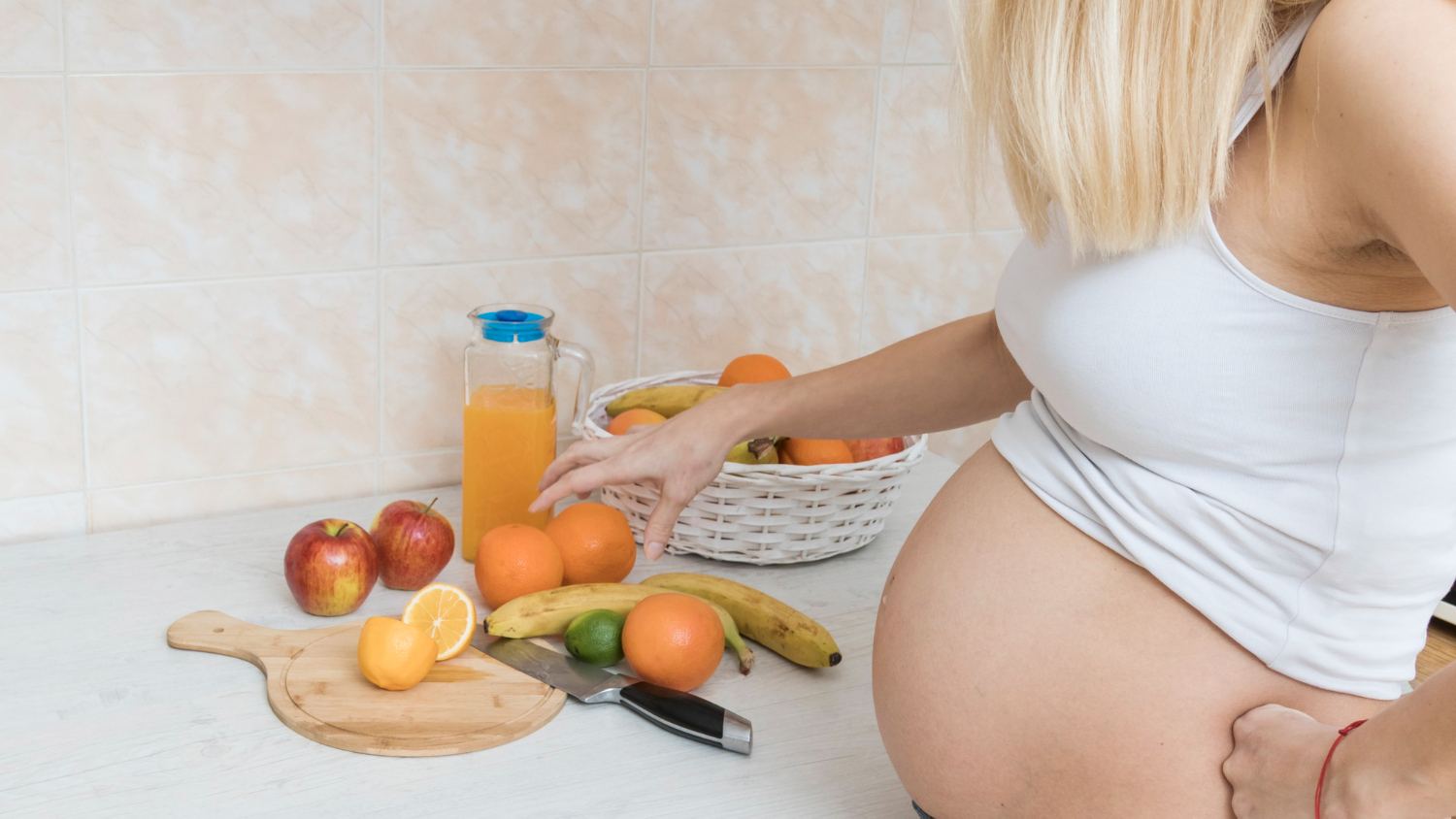
Namely, preparing for pregnancy is not a result of a simple decision to have children or to conceive. This entails ample thinking and strategizing in relation to several aspects that can affect health both during pregnancy and the delivery of a healthy baby. Thus, a proper preconception list of actions can be really helpful when you are planning to become a parent.
Here are the key elements to include in your preconception checklist.
Essential Pre-Pregnancy Checkups
To increase the likelihood of pregnancy and avoid complications, it is necessary to pass several tests that would show possible problems during pregnancy.
Preconception Visit
It is recommended that you make a preconception appointment with your healthcare provider. It enables one to talk about his/her health and revisit his/her past health issues and aspects of potential danger that can be pointed out.
According to the current health situation, the doctor may advise you to take certain tests and screenings.
Gynaecological Exam
It’s important that these organs that are involved in reproduction are checked to determine if are healthy. This exam may test for a Pap smear to look for abnormal cervical cells and a pelvic examination to look for conditions such as fibroids or ovarian cysts.
Blood Tests
Serology is helpful in diagnostics as the results reflect the general state of health of a patient. Common tests include:
Complete Blood Count (CBC): To detect anaemia and other problems that may be related to blood and its components.
Blood Type and Rh Factor: To know if you and the boyfriend/girlfriend have the same type of blood that is compatible with each other.
Thyroid Function Tests: To test their thyroid as thyroid issues impact fertility and pregnancy.
Hormone Levels: To check the value of reproductive hormones like FSH, LH, and progesterone.
Genetic Screening
Amniocentesis and other pre-natal tests let you know if there are any gene defects that can be inherited by the baby. Common carrier tests to be referred to include cystic fibrosis, and sickle cell anaemia to name but a few.
Vaccinations
Some vaccinations are advised to be taken prior to conception so as to shield both you and the fetus from diseases that can be avoided. Key vaccinations include:
Rubella (German Measles): Pregnant women who contract rubella can pass it on to their offspring; the outcomes are adverse birth effects. Make sure you have the immunity before getting pregnant.
Varicella (Chickenpox): If you never had chickenpox or have not been immunized, you should be immunized before getting pregnant.
Hepatitis B: Hepatitis B can also be passed to your baby during delivery. This transmission is possible and vaccination can help to halt this transmission.
Influenza (Flu): It is recommended that women who plan to get pregnant during flu season should get a flu shot.
Medical History Review
Go through your previous medical records with your doctor in order to discover other issues that might pose threats to your pregnancy. Key areas to discuss include:
Chronic Conditions: Others include diabetes, hypertension, and epilepsy where expectant women need to be extra careful with their choices and habits.
Medications: Check all the medications that you may be using including the prescription medications, the counter ones, and the herbal products. The patient’s treatment plan might require modifications or cessation of certain treatments.
Past Pregnancies: Ask about the parity of the patient and any antecedent pregnancies with emerging worrisome factors such as preterm labour, preeclampsia, or miscarriages.
Lifestyle Changes to Consider
It is advisable to embrace a healthy lifestyle before getting pregnant to boost your chances of having a healthy pregnancy.
Nutrition and Diet
A healthy diet therefore enables one to have a good nutrition status for the reproductive system and prepare for conception. Key dietary considerations include:
Folic Acid: It is recommended to take a daily supplement of 400-800 micrograms of folic acid to help prevent neural tube defects.
Iron: One must pay special attention to the intake of iron so that anaemia does not develop. Add foods rich in iron, for example, lean protein, spinach, string beans and all classes of beans.
Calcium: Losing a few pounds regularly from here and a few from there would insist it takes about 1000 milligrams of calcium daily to assist in the strengthening of bones. They include the following; Dairy products, green leafy vegetables, and foods fortified with Vitamin K.
Healthy Weight: The simplest one is to maintain a healthy weight; it means that the client’s body mass index should be optimal. Under and overweight have different impacts on fertility and pregnancy outcomes.
Exercise
Physical exercise enhances the health of a woman’s body and conditions her body for the rigours of pregnancy. Ideally, people should try to get 150 minutes of moderate-intensity physical activity a week. It is recommended to practice such types of physical exercises like walking, swimming, and practising yoga.
Avoid Harmful Substances
Pregnancy calls for the reduction of consumption of substances that are likely to have a negative impact on the journey. Key substances to avoid include:
Tobacco: It is clear that smoking affects fertility and puts a woman’s pregnancy at risk. It is recommended that any smoking should be stopped prior to getting pregnant.
Alcohol: Do not take alcohol during the period since it leads to fertility and fetal alcohol syndrome.
Caffeine: To be on the safer side, one should take less than 200 mg of caffeine in a day which is the equivalent of taking one cup of coffee.
Drugs: Substances like recreational drugs should not be taken since they reduce fertility and pregnant women’s health.
Environmental Factors
Avoid taking or coming into contact with any substance or product that is known/has been proven to harm the reproductive organs.
That is in a bid to minimize contact with pesticide products as well as avoid exposure to heavy metals and chemicals used in handling household products and cosmetics among many others. Consumers are encouraged to go natural if they can find organic products to use in their hair.
Pregnancy planning entails a list of health checks, vaccinations, and evaluation of medical history as well as other modifications in dietary habits and other practices. This guide on preconception enables a couple to have enhanced chances of conceiving and having the best future baby. Therefore, always seek the advice necessary for your case from your doctor and behave in ways that will improve your fertility. Wise up, manage your health, and proceed to parenting knowing that you have all that it takes.


