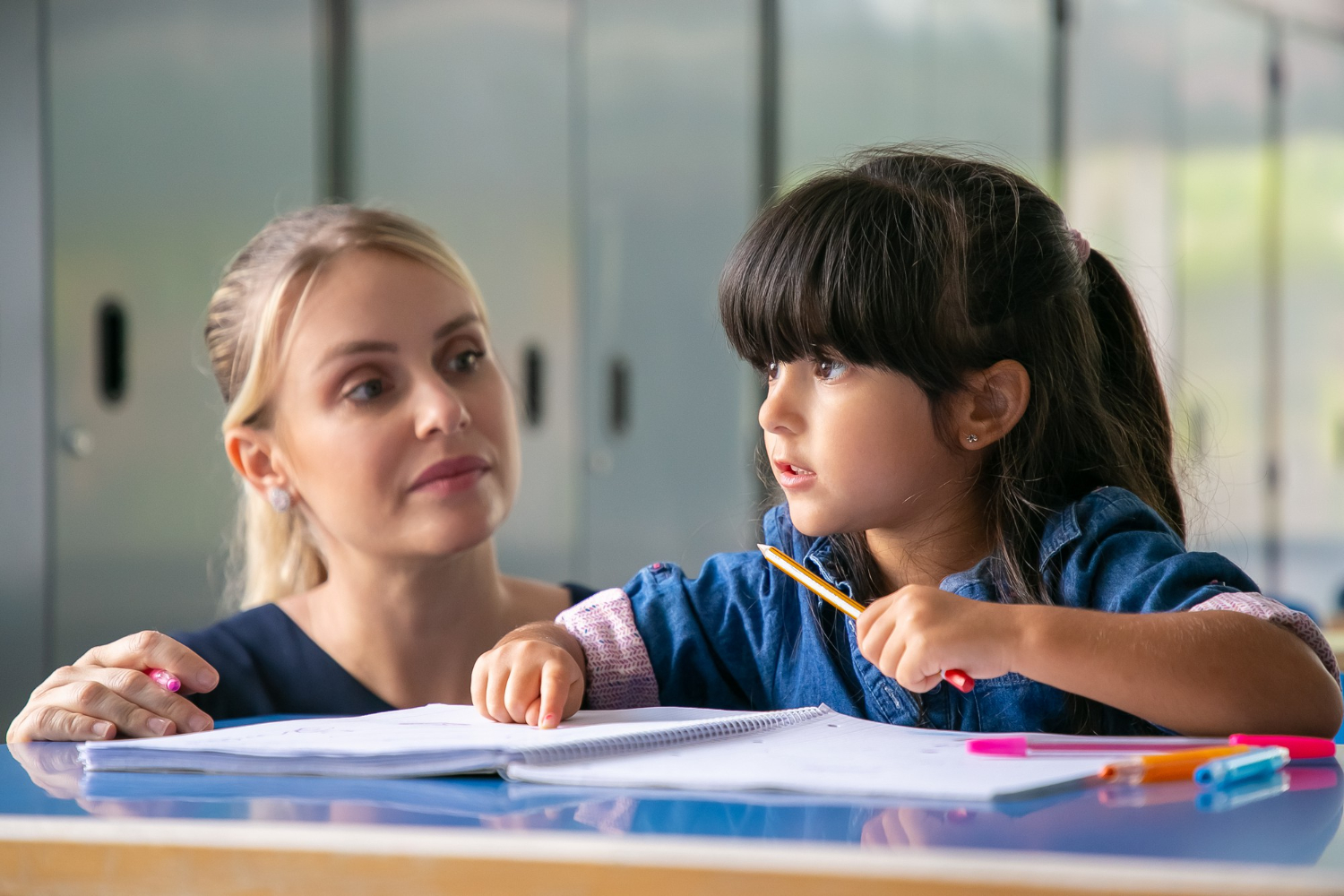
Homeschooling is a method of education where parents play an active role in their child’s education and this allows the parents to develop a personalised course of teaching. Nonetheless, homeschooling is very time-consuming so if not well balanced it can result in stress and even a burnout. To make homeschooling a successful journey, parents should balance on the involvement level with children and be careful about being burnt out.
Let’s take a look at how parental involvement and self-care in homeschooling is necessary.
The Importance of Parental Involvement in Homeschooling
This is the single most significant component in homeschooling which is known to have a major positive influence on learning outcomes. You are the primary educator of the child and thus hold a very critical position in the learning process of the child. It means that one can truly and directly impact their motivation, their engagement and the results of their work. Here’s why parental involvement is so crucial.
Personalised Learning
Homeschooling makes it possible for the parent/guardian to set goals and choose programs according to his child’s abilities, processing methods and preferences. You can also get involved so that you can modify some lessons in order to make them more difficult but still possible so that your child remains active and interested.
Building Strong Relationships
Homeschooling enhances parental bond between the parent and the child. The physical touch enables the couples to further open up with one another, share and listen to one another’s positives and negatives.
Instilling Values and Life Skills
When you homeschool your child you are able to pass on your beliefs and impart valuable life skills as well as knowledge in different subjects. This makes your child ready for standard learning as well as for any obstacles they are bound to encounter in life.
Monitoring Progress
Direct involvement in your child’s education also comes with benefits of being able to track performance, see areas to which the child may require more attention as well as be there to see your child excel.
Tips for Maintaining Balance
Here are some tips to maintain a balance when homeschooling.
Set Boundaries
As much as possible avoid blurring of roles in parent, teacher and personal thus changing hats accordingly. Homeschooling should be planned at certain times of the day as well as certain times for family functions and free time. It’s helpful to have these boundaries because you don’t want to get overwhelmed and you do not want to bring the workload of one position into another position.
Create a Flexible Schedule
This is an advantage of homeschooling and you should best utilise this option. Make a proper timetable that you and your child can follow while planning for some time off or perhaps a rest. Include the actions that make you feel re-charged, may it be through exercises, recreation or leisure activities.
Delegate Responsibilities
Do not shy off delegating the homeschooling responsibilities to your partner, other family members, or even older children. Tasks such as lesson planning, grading or errands can be assigned to others or done by others so that you have time to attend to yourself.
Prioritise Self-Care
Remember that self-care should be considered as mandatory. Whether it's walking, reading, practising yoga, or having time for friends, self-care activities allow you to refresh and come back to homeschooling.
Connect with Other Homeschooling Parents
Finding one or more homeschooling parents with whom you can share experiences – Parent support groups help to gain additional emotional backing, as well as tips on homeschooling. Just the simple act of feeling that you can discuss with others the experiences, hurdles, triumphs with someone can help reduce tension.
Incorporate Child-Led Learning
Let the child be the director of learning as much as you can allow him or her to be. Autonomous learning benefits the child’s independence and curiosity, and also provides parents with some opportunity of free time when the child gets bored of a game and needs to be told what to do.
Reflect and Adjust
Take time to evaluate your homeschooling style and its effectiveness as well as your health. If you start seeing the signs of burnout or stress then you must change something. This could mean lessening the level of difficulty of subjects, practising more on learning through play or other interactive methods, or merely taking a short nap from the lessons.
Homeschooling is a great experience and an opportunity for parents to bond with their children. However, such expectations of this form of education need to be well balanced so as not to cause teachers burnout. So, the described strategies of establishing boundaries, developing a flexible schedule, caring for one’s self, and constructing a supportive community can effectively balance between being a good teacher and a healthy person.


