Pregnancy is a process of dynamic changes through a journey of about 40 weeks or three trimesters. In each passing trimester, come unique developments, changes in physical and emotions, and important milestones for both the mother and the baby. Prospective parents will move through this period with greater ease and confidence if they know what to expect from each subsequent trimester.
Let’s take a closer look at the pregnancy trimester in detail.
First Trimester (Weeks 1-12)
Following are the details regarding the first trimester.
Key Developments
The first trimester is a very critical phase for a baby's development. The following are important benchmarks:
Fertilization and Implantation: This is the process by which conception occurs when a sperm and egg unite to form a zygote that will travel through the fallopian tube and implant in the lining of the uterus.
Development of Major Organs: At the end of this trimester, the baby has a few rudimentary structures of major organs. These include the heart, brain, and lungs. The heart begins to beat around the sixth week.
Placenta Development: The placenta develops and begins to function, supplying oxygen and nutrients to the baby and taking away waste products.
Emergence of Primary Structures: Facial aspects, including eyes, nose, and mouth, at the same time develop. The limbs also begin to take shape.
Physical and Emotional Changes
During the first trimester, women will experience intense hormonal changes in the body, hence emotions:
Morning Sickness: Nausea and vomiting, commonly known as morning sickness, are common and can occur at any time of the day.
Fatigue: The body is working hard to support the pregnancy and thus, commonly leads to excess tiredness and fatigue.
Breast Changes: Hormonal fluctuations make the breasts very tender or sensitive to touch.
Mood Swings: Hormonal changes can really lead to mood swings, increased sensitivity, and heightened emotions.
Important Milestones
Here are the important milestones of the first trimester.
First Prenatal Visit: It is actually an important visit at about the 8th week. It encompasses confirmation of pregnancy, assessment of the mother's health, and planning the course of prenatal care.
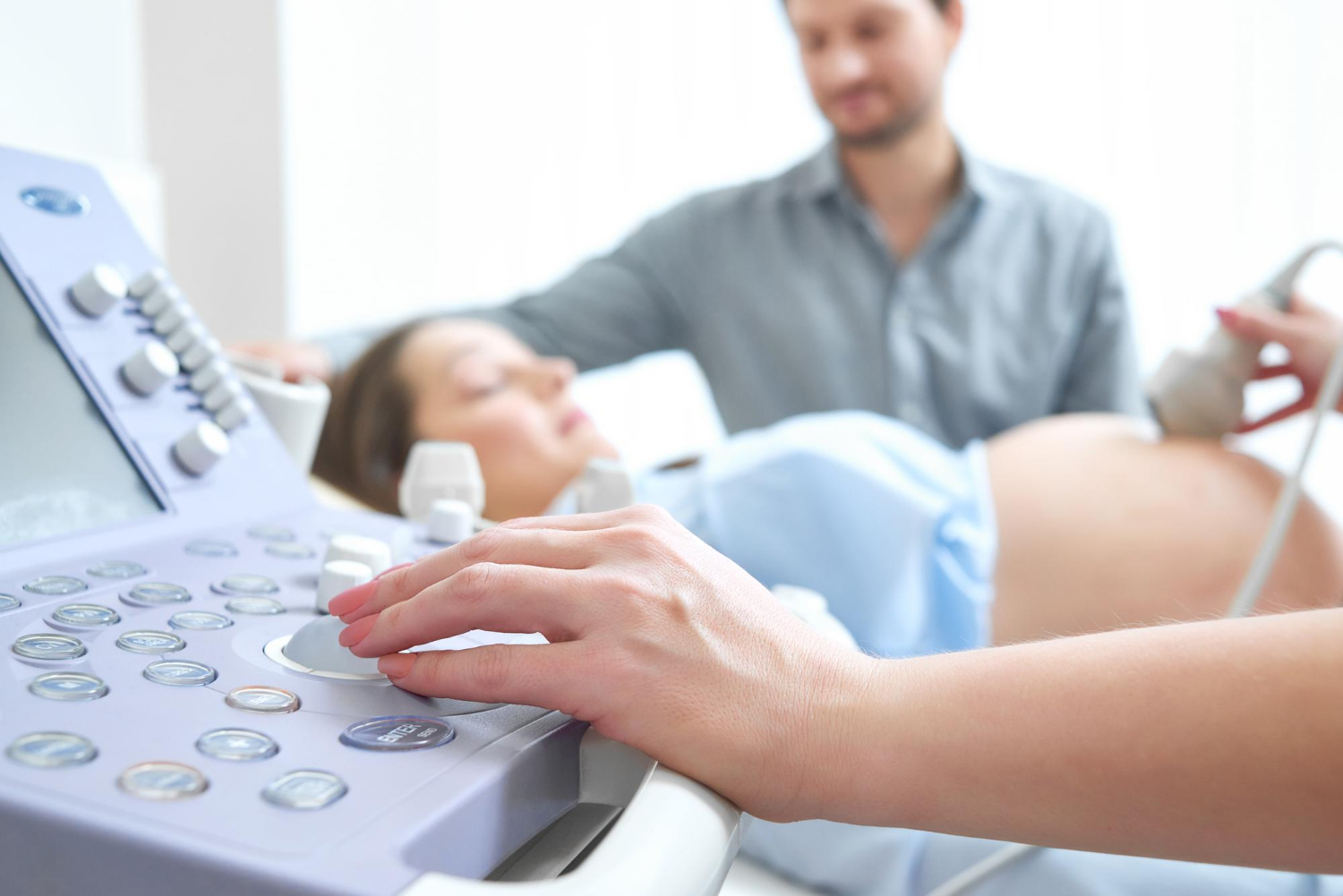
Ultrasound: It is generally conducted between the 8th to 12th week for the purpose of cross-verification of the expected date as well as to make observations about the fetus' growth.
Second Trimester (Weeks 13-26)
Following are the details regarding the second trimester.
Key Developments
The second trimester of pregnancy is often considered the "golden period" because the symptoms associated with early pregnancy tend to dissipate.
Rapid Growth: The infant experiences substantial growth; by the end of this trimester, it may weigh some 1.5 pounds and length measures about 13-16 inches.
Senses: The auditory and visual senses of the baby start developing. They can hear the sound of their mother's heartbeats and possibly begin to react to sounds coming from the outside world.
Movement: By the 18th to the 20th week, "quickening" is the term used for the period when a mother sometimes feels her baby move.
Physical and Emotional Changes
The second trimester is often marked by freedom from the several early pregnancy symptoms and new developments:
Greater Energy: Women begin to experience a burst of energy and a lessening of the feelings of nausea.
Visible Bump: The baby bump becomes visible in this period due to the uterus's increase in size.
Skin Changes: These could include stretch marks, darkening of the skin, and even a pregnancy "glow" because of increased circulation.
Emotional Well-being: Emotional stability often improves but anxiety over the impending changes may persist.
Important Milestones
Here are the important milestones of the second trimester.
Anatomy Scan: This is an in-depth ultrasound at around week 20 of pregnancy to identify any baby anatomical abnormalities, which can also often reveal the sex of the baby.
Glucose Screening: Usually done between the 24th and 28th weeks for gestational diabetes.
Third Trimester (Weeks 27-40)
Following are the details regarding the third trimester.
Key Developments
The third trimester is the final stretch of pregnancy in which the baby becomes prepared for birth.
Continued Growth: Baby keeps growing, putting on both more pounds and a few additional inches. On average, full-term babies weigh between 7 and 8 pounds at birth.
Lung Maturation: The lungs mature, hence the baby is ready to breathe at delivery.
Brain Growth: There is prominent development of the brain; it becomes elaborate and there are more coordinated movements in a baby.
Physical and Emotional Changes
The body is struggling with the emerging difficulties in the third trimester, getting ready for birth:
Discomfort: The growing baby can cause backaches, pelvic pain, and difficulty sleeping.
Braxton Hicks Contractions: The so-called practice contractions may be starting, allowing the body to rehearse for true labour.
Frequent Urination: Increasing pressure on the bladder can cause more frequent bathroom visits.
Preparedness: There can be an increase in anticipation and anxiety regarding labour and parenthood.
Important Milestones
Here are the important milestones of the third trimester.
Prenatal Visits: These increase in frequency, with the norm of once every two weeks, followed by weekly visits, as a woman's delivery date approaches.
Birth Plan: A birth plan should be discussed and come to an agreement with the health provider.
Group B Streptococcus Test: At 36 weeks, tests for the bacterium group B streptococcus can be very common in adults and might be passed on to the baby by delivery.
Being aware of the key developments, physical and emotional changes, and important milestones can make expectant parents feel more prepared and in control of their own pregnancy journeys. Though no two trimesters are the same, from one pregnancy to the next, with good care and support, they can prove to be very rewarding and extremely memorable. Always consult with healthcare providers for personalized guidance and support during pregnancy.


