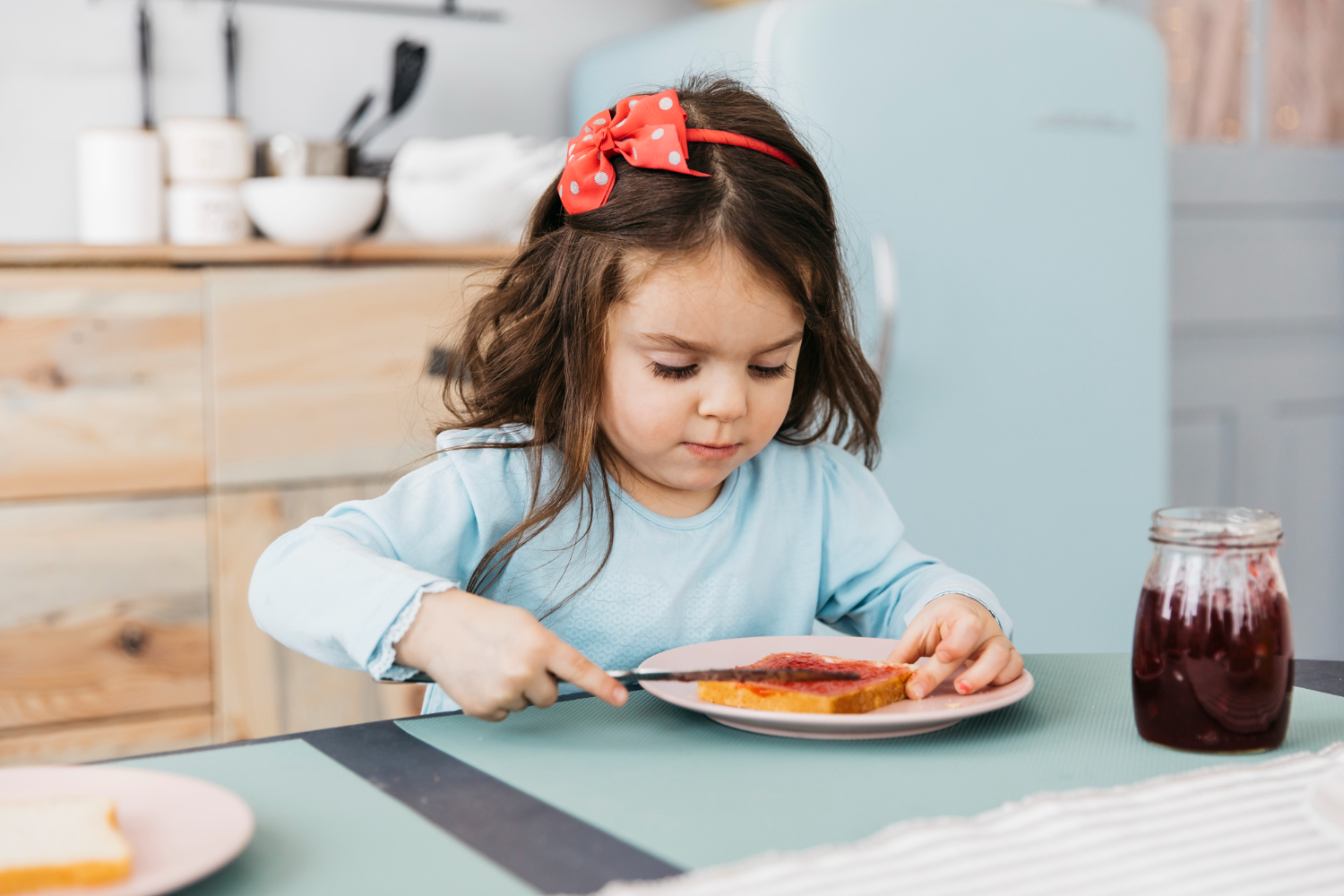
Preschoolers are in a crucial stage of growth and development, making proper nutrition essential for their health and well-being. It is therefore imperative that the child is put on the right eating plan during these years so as to have a good foundation for the rest of his or her life. But it can be hard to ensure that preschoolers are eating a good portion of that food, this is because problems such as picky eating can be very rampant in this age group.
Let’s discuss the nutrition plan for preschoolers in detail.
Balanced Diet Guidelines
Common nutritional requirements to impact the dietary health of your preschooler are certain characteristics of food which is why it is crucial to provide your child with a balanced diet. Here’s a breakdown of what a healthy diet should include.
Fruits and Vegetables
Also striving to ensure that half of your child’s plate is made up of fruits and vegetables. These supply all the necessary vitamins, minerals and essential fibre. Vary your colours and types so that you’ve got a mix of the nutrients covered together with your servings for the day. For instance, colourful carrots, sweet potatoes and oranges should be served to provide beta carotene while spinach, broccoli and kiwi should provide vitamin C.
Whole Grains
Preschoolers should consume about one-quarter of grains which can be whole grains. These include; breads, rice, oats, and pasta, among others which are either labelled as whole meals, brown or whole grain. They are energy foods which are packed with important nutrients such as B vitamins, iron and fibre.
Protein
Growth and development cannot be mentioned without the mention of the ever-important protein. Part of the protein list should consist of low-fat proteins like chicken, turkey, fish, egg, beans and tofu. To ensure that all amino acids are available it is recommended to incorporate a number of sources of protein. Fish such as salmon and tuna should also be consumed twice a week, a source of omega-3 fatty acids essential for the development of the brain.
Dairy
Milk and its products such as yoghurt and cheese are also known to have a rich nutritional value in calcium and vitamin D which are very vital in bone growth. Include low fat or full fat according to the requirements of a child as well as his/her desires. In the case of kids who cannot take milk due to lactose intolerance or allergy, milk from nuts like almonds and soy can be recommended with added calcium.
Healthy Fats
Make sure your child consumes healthy fats like avocados, nuts and seeds and it’s also best to use olive oil. Healthy fat is very essential for the development of the brain and body. Make portions small because most fats are still rich in calorie content.
Limit Added Sugars and Salt
Reduce as much as possible the consumption of foods and beverages which contain sweeteners and high sodium. Refrain from taking products such as soda and fruit juices and also taking snacks such as chips and cookies often. Better to use fresh fruits instead of refined sugars and also for meat products using low sodium.
Managing Picky Eating
Selective eating is not unusual in preschool-age children; however, with time and effort, you can overcome this problem and positively influence your child’s eating habits. This means that one should offer a variety of foods to suit the diverse needs of all the persons who are going to consume it.
Offer a Variety of Foods
Sometimes, your child may need several attempts at being exposed to a particular food in order to take it. Try not to get upset or worried when they refuse your food or have little appetite, just wait and provide them with options without forcing them to eat.
Involve Your Child in Meal Preparation
This is the reason why it is encouraged that you involve your child in the process of preparing meals because he or she will have the desire to take them. Sometimes they should be allowed to contribute something simple such as washing vegetables, stirring the contents of the pot, arranging the food items on the plate etc. This can therefore increase their interest, making them more willing to try out new foods.
Set a Positive Example
Kids prefer to eat all classes of foods if they notice others in the household also eating the same. Involve the members of your family in taking high-calorie meals together by arranging them often. Moreover, show your appreciation of healthy foods.
Create a Pleasant Mealtime Environment
Plan for mealtimes so that these are not stressful situations. They should not be distracted by things like watching TV, or using the phone or computer during meals. Instead, they should dedicate quality time to each other. Promote talk and turn eating into a joyful process.
Don’t Force or Bribe
Do not make your child eat when he or she doesn’t want to or offer food as a reward, punishment or a threat. Rather, teach them to pay attention to the signals that they get from their body when they are hungry or full. Since the appetite of children is unpredictable; giving them small portions of food and letting them ask for more in case they still want some will prevent overfeeding.
Healthy Snack Ideas
The children at this age also require snacks in between their meals; snacks give them the energy to continue with other activities. Here are some healthy snack ideas that are both nutritious and appealing to young children.
Fruit Kabobs
Make bright and obvious fruit skewers by putting together grapes, strawberries, melon, pineapple and many more. They are more compelling in presentation as it looks fun and it contains natural sugar which helps fight the craving.
Veggie Sticks with Hummus
Use vegetables such as carrot sticks, cucumber and pepper to prepare crunchy veggie sticks to be served with hummus dip. This snack contains a great amount of fibre, vitamins and proteins.
Yoghurt Parfait
Use a small glass and layer it beginning with low-fat yoghurts and proceed to fill half the glass with fresh berries before sprinkling a little granola over the top. It is understood that the normal yoghurt with no added sugar is taken and the child then adds his/her preferred fruits. It also contains cheese and whole-grain crackers. A glass of whole milk can be accompanied by vegetable sticks, while whole grain crackers can be taken with a slice of cheese as they offer protein, healthy fats and fibre.
Mini Sandwiches
Create tasty mini sandwiches from whole grain bread, lean turkey or chicken and one slice of cheese or avocado. They can also be shaped into various exciting forms in order to make them more interesting to little ones by using cookie cutters.
Smoothies
Ensure that the consumption includes fruits, vegetables as well as a protein source such as yoghurt or milk for making a smoothie. One can sneak in lots of vegetables without changing the flavour of the food; it is the best method of increasing nutrient intake.
Like any other child, a healthy diet is crucial for your preschooler for physical, mental, social fabric, and emotional development. If you adopt a balanced diet especially when practising household disciplinary measures on your child and providing compelling and healthy snacks to the child the child will be able to learn how to eat healthily.


