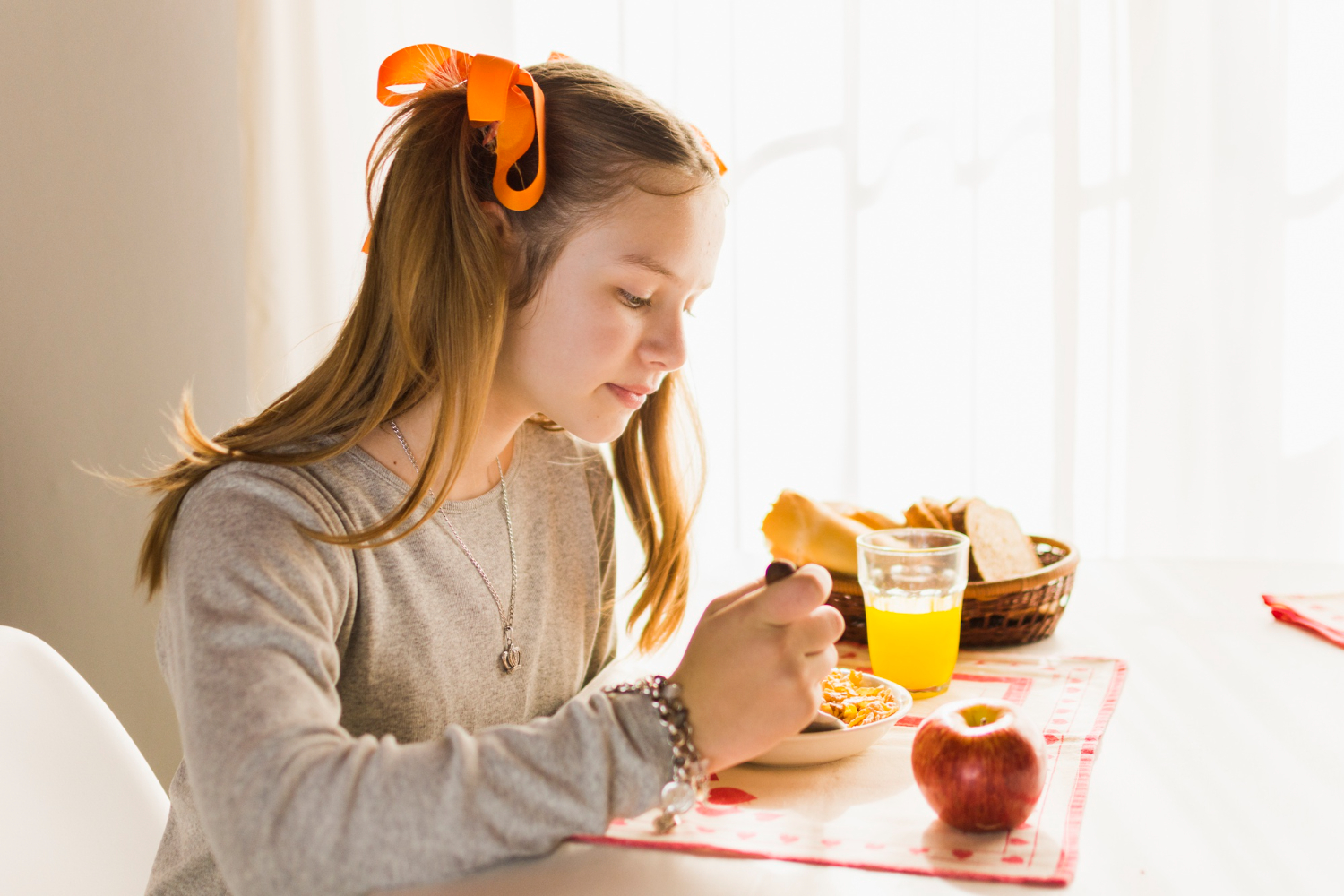
The age group of children that is 9-11 years is considered as preteens for they are physically and mentally developing. Nutrition at this stage is very important so that they can grow, develop and have sound health. Let’s take a look at some of the best nutrition strategies that parents should take to make sure that the pre-teens eat the right foods.
Importance of a Balanced Diet
Eating a balanced diet is of importance to preteens since they require the energy and nutrients for growth, proper brain development and a strong immune system. A well-rounded diet should include a variety of foods from the five main food groups: includes fruit and vegetables, cereals and grains, protein food and dairy products.
Recommended Daily Servings
Preteens should aim for the following daily servings to complete their balanced diet.
Fruit: 2 serves (1 medium size fruit or 1 cup of diced fruits)
Vegetables: 5 serves which include half a cup of cooked vegetables or one cup of raw vegetables.
Grains: A serving size recommended at 4-5 serves which is 1 slice of bread or 1/2 cup cooked grains.
Protein: 2 1/2 serves or 65g of cooked lean meat or 2 large eggs
Dairy: 2 1/2-3 servings per container, 1 cup of milk or yoghurt.
One has to understand that these are approximate recommendations and the daily amount of food may vary depending on vital activity and growth rate of your dog.
Macronutrient Recommendations
Carbohydrates, proteins and fats are necessary for the growth and development of preteens and these carbohydrates should be in the right proportions.
Carbohydrates: Choose products like brown rice instead of white rice, whole wheat bread instead of white bread and oat instead of corn flakes, that are rich in fibre and nutrients.
Proteins: Also, try to ensure that you include the lean protein sources in your diet like the poultry, fish, eggs, legumes and nuts so as to promote muscle development and repair.
Fats: Make sure to incorporate good fats which are avocados, nuts, seeds and olive oil because these are crucial in the development of the brain and production of hormones.
Micronutrient Needs
Preteens have specific micronutrient needs, including:
Calcium: Required for the proper formation of bones and teeth. These foods are rich in calcium thus; good examples of such foods are; diary products, green leafy vegetables and other calcium-fortified foods.
Iron: helps the body to synthesise haemoglobin to combat anaemia. Some of the sources of iron are red meat, poultry, fish and foods rich in bran and iron-fortified cereals.
Vitamin D: Enhances strength and promotes healthy bones and teeth, maintaining a healthy immune system. Some examples include exposure to light or direct sunlight and foods which are fortified such as milk and fatty fishes.
Hydration
That is why preteens are easily dehydrated since the ratio of surface area to body mass is much higher than that of adults’ for example. Talk to your preteen about water as a drink and make sure he or she drinks water frequently with at least 5-6 cups (1. 4-1. 6 L) per day.
Healthy Snacking
That is why preteens need snacks in between meals so that they are able to maintain their high levels of energy and also consume their nutritional requirements in the course of the day. Encourage healthy snack options such as
Fresh fruit with yoghurt
Chilli crackers with cheese
Vegetable sticks with hummus
Nuts and seeds adopted in making the trail mix
Preteens also need good foods to ensure that they grow, develop, and clearly maintain their overall body health. This way, parents can ensure that their preteens get the needed amount of nutrients from different sources, starting with fruits and vegetables, to whole-grain snacks, lean proteins, and dairy products as well as make snacking and drinking healthy. Do not force feed your child and bear with your child since it may take some time for him/her to develop a palate for the new foods.


