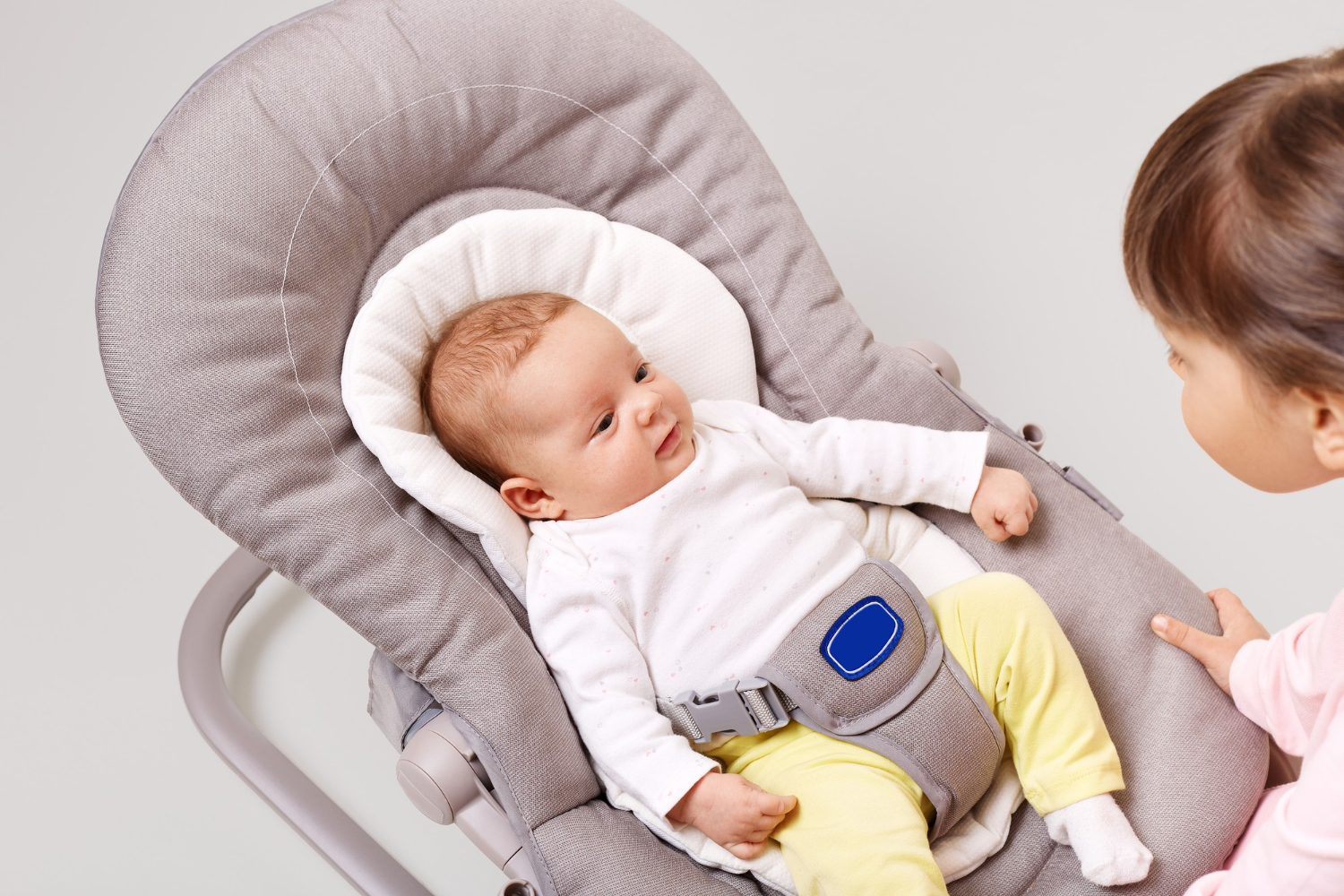
Having a newborn baby at home, particularly for the first time, is one of the happiest moments in anyone’s life but comes with the responsibility of guarding the little angel from harm at all times. Two very sensitive safety precautions that are important for children are safety within cars and safety in case of emergencies.
Read this article and learn how to protect your newborn from danger while being in the car or in case of an accident.
Car Safety for Newborns
Child safeness is one of the things parents need to prioritise, starting from when you are bringing the newborn home. Here are essential tips to ensure your newborn’s safety in the car
Rear-Facing Car Seat
You should put your newborn in a rear-facing car seat from the moment of his or her birth. This position caters for the head, neck and spine and is the most secure position for an infant to be in while in a car.
Proper Installation
He was driven by geniuses, his even strong, smelling and abdomen flat: follow the instructions of the car seat manufacturer strictly. Some car seats should be installed at an angle that does not allow the baby's head to fall forward since this may cause limitation of airflow.
Harness Positioning
The sleep sack straps should not be above the baby’s shoulders, ideally they need to be positioned lower than the baby's shoulders. It should not be loose anywhere and the chest clip should be just around the chest area or exactly at the armpit level.
Regular Inspections
Make it a habit to observe that it is properly installed in the car and make sure that the harness is correctly placed for the baby. With growth in the size of the baby, the harness is adjusted, and later a different car seat is required.
Avoid Bulky Clothing
Clothing items that are thick and can easily expand somewhat like Jackets, winter coats, can hinder with the kind of harness that is used. Avoid using anything over the harness which will only endanger the life of your child, instead use blankets to keep your baby warm.
Limit Car Seat Time
This is where car seats are good for travelling but should not have your newborn stay in the car seat for too long when not in the car. Sitting in a car seat for prolonged time leads to lack of fresh air circulation, and development of flat head syndrome.
Emergency Preparedness for Newborns
Fires can occur at any time and being ready is very important especially if you have a baby in the house.
Here’s how to be ready for the unexpected:Here’s how to be ready for the unexpected.
First Aid Kit
Having a first aid kit at home as well as in your car is one of the most important safety measures that one should embark on. It should contain basic items such as adhesive bandage, rubbing alcohol wipes, baby thermometer and others.
CPR Training
Sign up for a CPR class on the needs of infants. Thus, it is always useful to know how to perform CPR in the case of a newborn if the baby’s life depends on it.
Important Numbers
Always have your paediatrician, poison control number and other emergency services numbers within reach. Store these numbers in your phone contacts and also, copy the numbers and stick the copy somewhere in your home.
Medical Information
It is wise to keep a record of all the medical details about your baby such as allergy, medication and immunisation record among others and ensure that they are within reach. This information should also be made available to caregivers.
Here, you can focus mainly on your car safety and sudden emergence of extreme situations that may endanger your newborn. Incorporating changes in the safety measures from time to time to correspond with the growth of your baby will assist in seeing to it that the baby gets protected always whether within the compound or outside.


