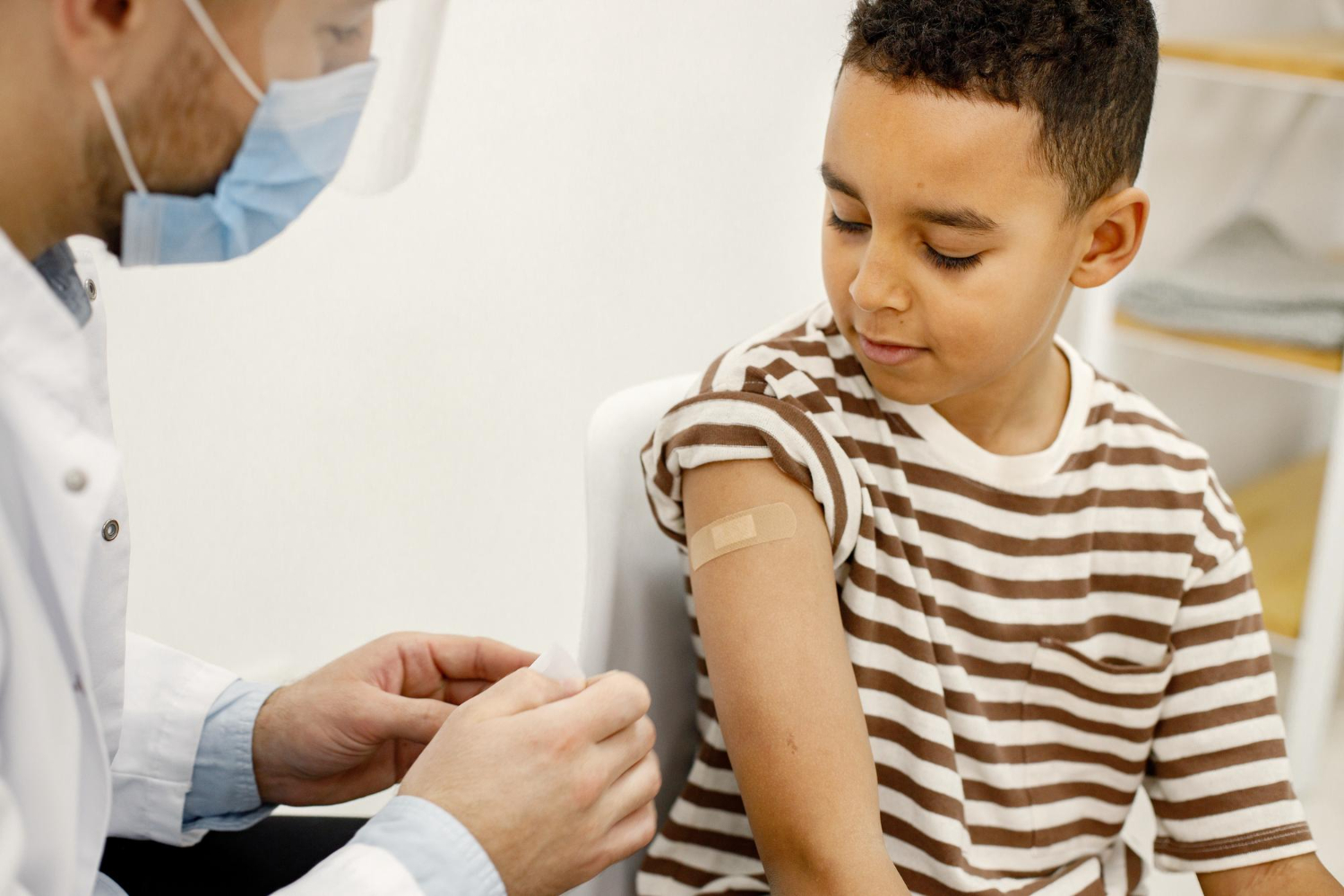
As your child grows from a toddler into a preschooler, their health and well-being remain a top priority. An important step which should not be missed to safeguard the health of your child is to have them immunised before starting school, between the ages of 3-5. These vaccines do not only safeguard your child against severe diseases, but they also minimise the transmission of diseases in your society.
Let’s take a look at the immunisations and vaccines for a preschooler.
Why Immunizations Are Important
Immunizations are one of the most significant ways in which the health of your child can be protected against infection. A parent should not take a chance of allowing these diseases to develop in their child since there is a narrow line between a mild disease or a severe one. By taking your child for the recommended vaccination you are not only preventing your child from catching the diseases but also you are preventing other vulnerable persons like infants, elderly persons, and those with weak immunity.
The Recommended Vaccinations for Preschoolers
When a child is between 3 and 5 years old, they are always administered several vaccines to protect him or her against certain diseases. Here’s a breakdown of the key vaccines typically administered during this age range.
DTaP
The other vaccine known as DTaP is against three dangerous illnesses which include; diphtheria, tetanus, and pertussis otherwise known as Whooping cough. Your child should have had earlier doses of DTaP; a booster dose is required before starting kindergarten.
MMR (Measles, Mumps and Rubella)
Parents should ensure their children take MMR vaccines to prevent measles, mumps, and rubella diseases that are infectious with severe complications. A second booster dose with the MMR vaccine is administered at about 4-6 years so that the child can be fully protected from diseases when joining early classes.
Varicella (Chickenpox)
Chickenpox, which is characterised by itchy rashes and fever, can be prevented by the varicella vaccine. The second of the two doses consisting of the varicella vaccine is usually administered at 4-6 years of age.
IPV (Inactivated Poliovirus)
The IPV vaccine is the one for polio which is a crippling illness that may lead to death. A booster dose of IPV is also advised for preschool-age children so as to maintain immunity.
Influenza (Flu)
Influenza vaccine which is recommended for children of preschool age is administered every year because the influenza virus mutates. This vaccine assists in combating the flu that causes severe respiratory infections, especially among children.
Hepatitis A and Hepatitis B
It is important to ensure that your preschooler has completed the full cycle of these vaccines to protect against these liver diseases - Hepatitis A and B.
Pneumococcal Vaccine (PCV)
Preventative vaccines for pneumonia include this one which is against bacteria that can lead to pneumonia and other serious illnesses such as meningitis. Make certain that your child has been administered all of the necessary doses that have been prescribed to him or her.
Preparing Your Preschooler for Vaccinations
Shots are something that most preschoolers dread and so it is always good to know how one can make this particular experience a lot more bearable for these children.
Here are some tips to help prepare your child for their vaccinations.
Explain What to Expect
Explain to your child about the vaccination that shall be administered in the coming days/weeks in a language he or she will understand fully. Make sure to reassure them that they’ll only ‘experience more than just a scratch’ and that this is quite necessary for their health.
Stay Calm and Positive
Parents should not express negative feelings about vaccinations in front of the child since the child easily imitates the parents’ feelings. Say words like ‘It will be over soon’ or ‘I am proud of you for not crying’ to your child.
Bring Comfort Items
Thus, it is desirable to let your child take some favourite toys, a blanket or a stuffed animal to the doctor’s appointment. Hence these comfort items could help console them and also afford them a moment of distraction when the shot is in the making.
Offer Praise and Rewards
Tell your child he or she was brave after the vaccination. Think of a little incentive that you will be giving as a way of marking the celebration such as stickers or a treat among others.
Addressing Common Concerns Related to Immunisation
It’s normal for parents to have questions or concerns about vaccines, especially when it comes to their preschooler’s health. Here are some common concerns and responses.
Safety of Vaccines
Vaccines go through several trials and are closely watched for any problems. Side effects of a serious nature are minimal, and the immunisation process outweighs the risks by many folds.
Vaccine Manufacturing
There are always parents with some concern as to the content of cortisone in vaccines. However, used ingredients are in very minimal quantities and are important for the effectiveness and safety of the vaccine.
Combining Vaccines
The doses can be given at the same visit and it is normal for children to be administered with multiple vaccines. A study reveals that this is safe and guarantees your child has covered their back as early as possible.
Immunizations and vaccinations are essential components of your preschooler’s healthcare routine. These shots given between the ages of 3 and 5 uphold the health of your kid and your society since they wade off dangerous diseases. When you understand the impact of these vaccines on your child like how to prepare your child for the process. Vaccinating your child is one of the primary responsibilities you have as a parent to guarantee your child will lead a healthy life as you wish to see.


