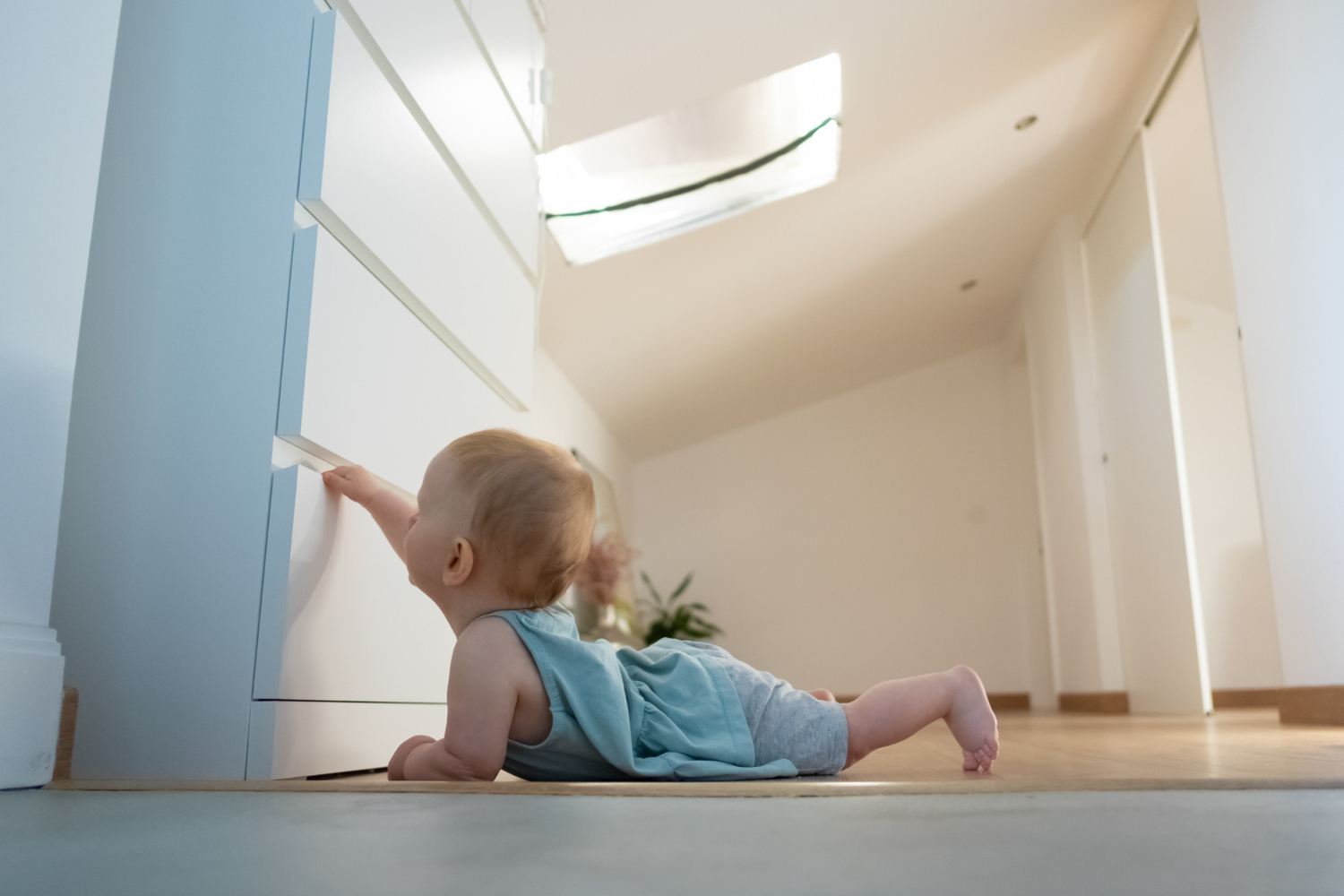
Having a newborn is one of the happiest moments that a family could ever encounter, however, it becomes very challenging on how to handle the newborn. Since you are now parents to a newborn, it’s important that you keep your home secure and safe for your baby. It is not always necessary to overthink the process of making changes to create a safety oriented space.
Below is a checklist to assist you when creating a safe atmosphere for your newborn at home.
Baby-Proofing Essentials
Child proofing your house is the initial measure that you should take when you are expecting a baby. This entails looking at your home environment from the angle of a baby through approaching the assessment in sections. Some key areas to focus on include.
Electrical Outlets: For your baby’s safety use outlet covers so that he or she does not put fingers or any other objects in the sockets.
Sharp Edges: Children should be encouraged to keep their furniture safe by putting corner guards on furniture to avoid sharp edges.
Cabinets and Drawers: Make sure to install safety latches for cabinets and drawers especially those containing poisonous substances such as cleaning solvents, drugs or other sharp items.
Staircases: Ensure that each and every staircase is fitted with a safety gate at the top as well as at the bottom.
Creating a Safe Sleep Space
As you know, newborns sleep most of the time; thus, it is very important to provide a safe sleeping environment for a baby.
Crib Safety: The mattress they should use should be firm and the size of crib to ensure that there are no spaces in between. Get rid of blankets, cushions, toys that your child might be using to sleep with or any type of padding like bumpers.
Sleep Position: Remember to lay your baby on his back to sleep to help minimise the chances of SIDS or sudden infant death syndrome.
Room Sharing: Experts advise that it is safer to have your baby’s crib or bassinet in your room for the first 6 months of his/her life at the least.
Managing Temperature and Air Quality
Infants are very sensitive to temperature and air conditions within the surrounding environment hence the need to provide a healthy environment.
Room Temperature: It is more advisable to maintain your baby’s room warm in a comfortable range of between 68°F and 72°F (20°C to 22°C). Don’t overheat your baby, bring your baby outside to cool off between feedings and swaddle them in light clothing and a sleep sack, not blankets.
Air Quality: One should use a HEPA air purifier in order to ensure that the air does not contain any allergens. See that fresh air circulates in the room where the nursery is located, and do not smoke in that area.
Safe Bathing Practices
A bath time is a good time to spend some quality time with a kid but it must be done with much caution to avoid any mishap with water.
Water Temperature: Make sure it is safe for your baby to get into the water by mastering the water temperature before getting your baby in. The water should be warm, not hot, so it should be at about 98°F (37°C) of temperature.
Support: It is prohibited to carry the baby in the bath tub and then for one moment leaving him/her alone in the bathtub. Hold your baby with one hand at all times and it may be wise to use a non-slip bath mat on the bathroom floor.
Fire and Carbon Monoxide Safety
Fire and carbon monoxide are dangerous products which should be prevented at all costs.
Smoke Alarms: Locate the smoke alarms outside of bedrooms; in the hallways, on the first and second floor, and any other additional story. Check them from time to time and replace the batteries whenever it is necessary.
Carbon Monoxide Detectors: Always fit CO detectors near sleep- ing areas so that they may detect this colourless and odourless gas.
Fire Safety Plan: The first disaster preparedness tip that should be made involves creating a fire escape plan and practising it with your family. Make sure that windows and doors can be opened, in the event of an emergency.
Handling Chemicals and Medicines
Some of the common products that we use in our homes include chemicals and medicines which if not stored properly may cause harm to newborns.
Storage: Lock all items which are poisonous such as cleaning agents, pesticides and medicines away from children.
Childproof Caps: Confirm that all medications are in child-proof container and remain in their manufacturers’ packs with labels on them.
Disposal: Get rid especially of those products that have reached their shelf life and which are no longer needed to prevent cases of accidental consumption by children.
Baby Gear Safety
Just like your home structure and design should be safe, it is also important for your baby’s products, such as car seats, strollers, and baby carriers.
Car Seat: Incorporate it into your everyday routine by making sure that your baby’s car seat is correctly installed and that your baby is secure every time he or she is in the car. Always going by the instructions posted by the manufacturer regarding installation and regular use of the product.
Stroller: While selecting the stroller make sure it has a solid base and has an effective harness system. It is advised that the hand brakes should always be applied any time the child in the stroller is still.
Baby Carrier: If you are carrying your baby in a carrier, make sure that he or she’s facing the right direction with a clear airway and good hip development.
Teaching your baby to live in a safe home involves quite a number of measures which include baby-proofing, safe sleep, and a look-out for the possible dangers. Following these rules, you can ensure that your child will be protected in the environment that he or she creates, and does not hinder the development of the personality.


