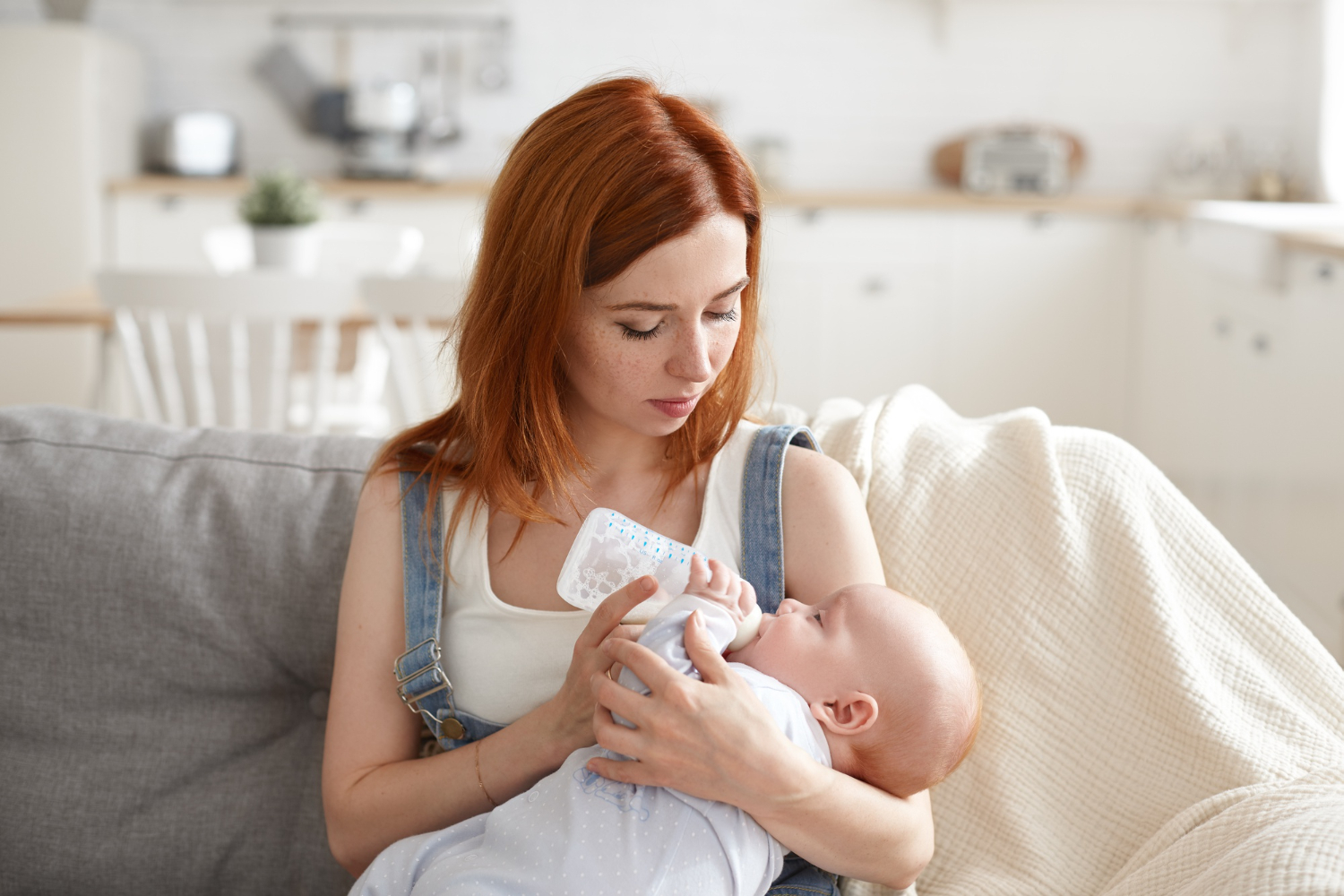
The arrival of a new baby into the world is one of the most wonderful things that is blessed by parenthood. Nevertheless, the postnatal period – the period after childbirth – may also be problematic. Since the body of a woman takes time to recover she now has to take care of the child. One can plan and prepare for this time in advance so that when these changes start taking place one is ready to meet the more rigorous physical and perhaps emotional requirements.
Here are the detailed guidelines on how to prepare for postpartum.
Physical Recovery
Following are the physical recovery options for the postpartum.
Stock Up on Essentials
Postpartum Pads: Women are advised to expect a period of heavy bleeding, this is referred to as lochia. Ensure you have many heavy postpartum pads with you.
Comfortable Clothing: Comfortable, free, and roomy clothing is advisable and if you have had a C-section then this is very essential.
Perineal Care: For women who have a vaginal birth, it’s good to have a perineal bottle also known as the peri bottle for wiping with warm water. Use witch hazel pads and ice packs if experiencing soreness in the perineal area.
Plan for Rest
Sleep Schedule: Make an appointment to allow your partner, family, or friends to help with the child so that you can sleep. Naps when the baby sleeps to get adequate rest.
Comfortable Sleep Space: Make the bedroom relaxing, so it becomes suitable for sleep and has provisions for baby necessities.
Nutrition and Hydration
Nutritious Meals: Incorporate meal preparation for a few days or a week and freeze or ask for meal delivery. Nutritious foods will assist the body to recover and also provide the energy that is required in taking care of the baby.
Hydration: It is recommended to consume a lot of fluids, especially for women who are breastfeeding because it aids in the production of breast milk and general recovery.
Emotional Well-being
Following are some tips to prepare for postpartum emotionally.
Recognize Emotional Changes
Baby Blues: New mothers are expected to feel some degree of emotional, from mild mood swings to severe postpartum mood disorders, within the first weeks after birth. Such are usually a result of hormonal changes.
Postpartum Depression: Make sure to know the features of PPD like protracted sorrow, anxieties, or feelings of being swamped. If such feelings linger, consult a healthcare provider.
Build a Support System
Support Network: Ensure that the household is surrounded by relatives and friends whose help in child caring and in doing other household choreography can be useful as well as offering a breast to be pumped on.
Professional Support: It could be possible to consult a therapist or participate in groups for young mommies to know better what they feel.
Learn About Newborn Care
Feeding: Whichever form of feeding your child you decide on i. e. breastfeeding or bottle feeding, it is good to have some knowledge in them. If you intend to breastfeed then you should attend breastfeeding classes.
Diapering: The list has diapers, wipes, and diaper rash cream on it. It’s better to practice changing diapers before the baby comes in case the diaper is soiled.
Bathing: Understand how to safely wash your little newcomer. Assemble all safe bathing items for the baby such as the baby soap, a mild baby soap, a small cloth, and a baby bathtub.
Set Up a Safe Sleep Environment
Crib: Babies should have a safe place to sleep, the mattress should be firm and the baby should not have any loose accessories such as blankets or soft toys.
Sleep Schedule: Be aware that newborns do not have any fixed sleeping schedule. Expect your child to wake up during the night to eat.
Organize the Home
Baby’s Space: This way you should have the baby section ready with everything that is needed at hand, from diapers, clothes and feeding accessories.
Household Chores: Ensure that cleaning and other household chores are divided to be done with the assistance of other members of the family or probably hire someone to assist with cleaning for the first weeks of babies stay at home.
Sibling Care: If there are older children, then make arrangements for the care of these children since the mother is small and may require the assistance of another person in taking adequate care of these children. Thus, got them ready for the arrival of the new baby who was on the way.
Pet Care: Prepare for the pet so that he or she will be provided for as well as exposed to the baby after some time.
Financial and Administrative Tasks
Insurance: Make sure that your health insurance providers include post-birth care for the mother and the child. Register for health insurance as soon as possible and include your baby in the plan.
Paperwork: Arrange for documents which may be needed when the baby will be registered for his/her birth certificate, social security number and any other legal documents.
Postpartum Expenses: Prepare for extra costs on things like health expenses, diapers, and possible assistance for chores.
Elements of postpartum care pertain to physical health, psychological health, care for the newborn, management of the household and the family finances. By doing these things, you can establish a favourable milieu for yourself and the newborn to make the change over easier and cheerful. However, when one is in a position like this, it’s okay to ask for help or support as well as engage in self-care practices as one enters a new stage of life.


