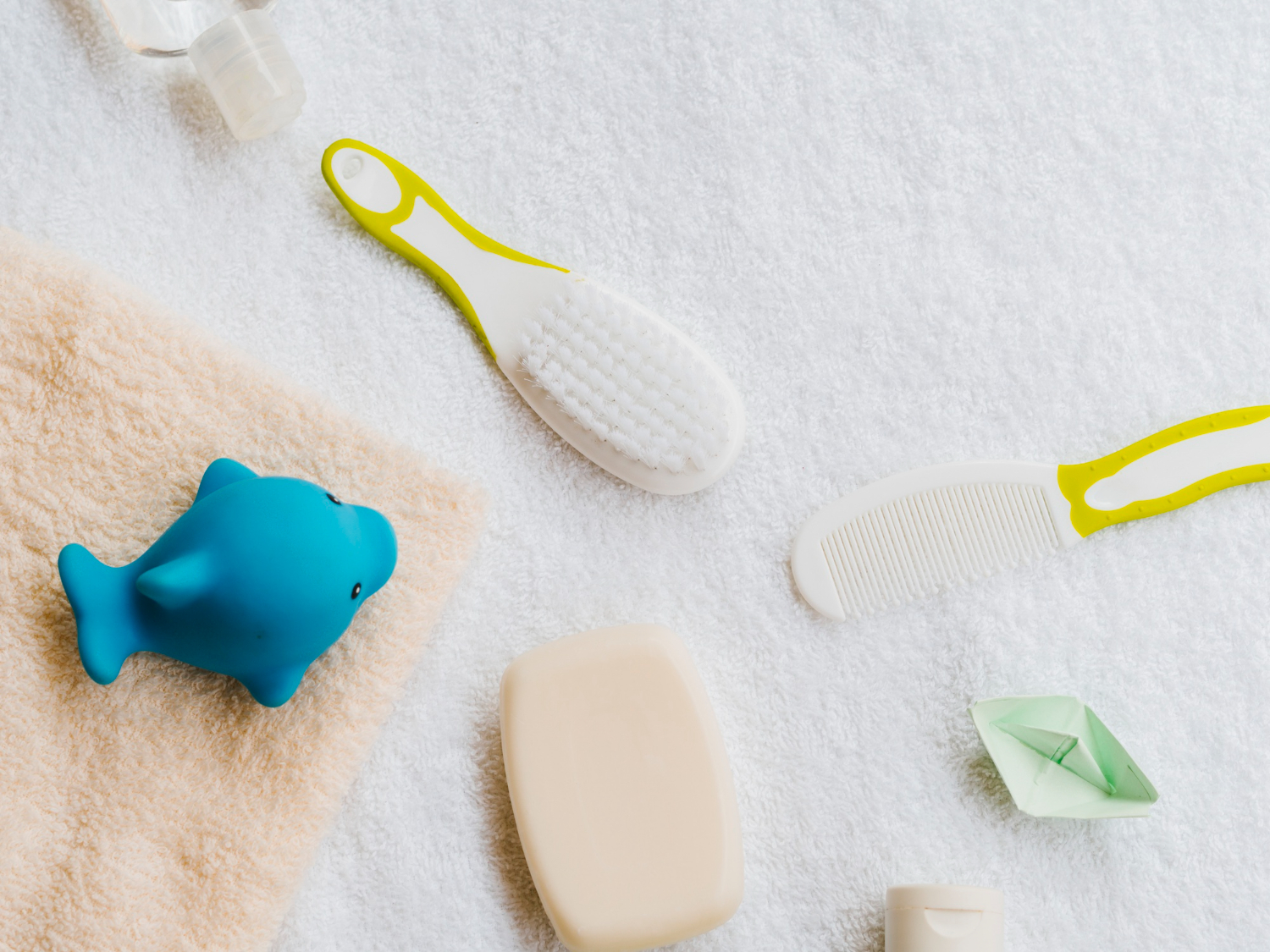
To welcome a newborn child to your home would be the most enthusiastic and life-changing experience. Apart from enthusiasm, it also brings in the responsibility of ensuring that your baby remains healthy and hygienic. Proper care for your new child's health and hygiene is very important in these early life stages.
Let’s take a look at the basics of keeping your newborn healthy and clean, from daily routines to precautions.
Bathing Newborns
Here are all the details regarding the bathing routine of a newborn.
When and How Often to Bathe
During the first few weeks, a complete bath isn't needed each day. Newborns can be bathed two to three times a week, as their skin is delicate and can dry out easily.
On days when your baby does not get a bath, you can clean their face, neck, hands, and diaper area with a soft, moistened washcloth.
How to Bathe
If you decide to bathe the infant, this procedure should be done in a warm room with all essential equipment within reach. Pour a few inches of water into the bathing tub at the baby's comfort level.
Lower your baby into the water by supporting their head. Use mild baby soap and a soft washcloth, taking care around the body if the umbilical cord stump has not dropped off yet. After the bath, wrap your baby in a soft, warm towel and pat them dry, paying special attention to skin folds.
Diaper Essentials
Following are the techniques to change diapers and create a skincare routine for newborn.
Changing Diapers
Ideally, try to change your baby's diapers every two to three hours or whenever the diaper gets soiled. Gently clean your baby's diaper area with a wipe or a damp cloth.
Ensure the area is completely dry before placing a new diaper on it; this will help prevent moisture build-up and diaper rash.
Preventing Diaper Rash
Apply ointments or cream with zinc oxide to the baby's bottom at every diaper change. Let your baby have diaper-free time every day to let the skin breathe.
If a rash appears, keep the area clean and dry and apply the rash cream more often. If this rash lasts longer than three days, contact your paediatrician.
Moisturising
Newborn skin tends to be dry, so it should be well-moisturised. Apply baby lotion or cream gently after a bath, focusing on areas that tend to be extra dry, like the hands, feet, and face.
Skincare Routine
Here is how to take care of your newborn’s skin.
Trimming Your Baby's Nails
To cut your baby's nails, gently use baby clippers or a soft emery board to file the nails. Doing this when your baby is asleep or calm is ideal, as you avoid sudden movements. Trim the nails straight across to prevent ingrown nails, and smooth any rough edges with the emery board.
Cleaning the Gums
After feeding, clean the gums by using a soft, moist cloth or clean gauze. This ensures that any milk residues are rinsed off and bacteria growth is prevented. As your baby grows and begins teething, continue this oral hygiene routine.
Hand Hygiene
Be sure to wash your hands well before handling your new baby, especially after changing diapers, going to the bathroom, or coming home from outside. Encourage others who handle your baby to do the same.
One of the most effective ways of preventing the spread of germs is also one of the simplest: keeping your hands clean.
Umbilical Cord Care
Keep the area clean and dry until your baby's umbilical cord stump dries up and falls off. Do not cover it with a diaper, and do not immerse it in water during a bath.
Clean the area by gently washing with a damp cloth and allowing it to air dry. If it becomes red, swollen, or shows signs of discharge, contact your paediatrician.
Safe Sleep Environment
Maintaining a clean and healthy sleep environment for your baby is crucial.
Ensure the crib or bassinet does not contain soft bedding, pillows, or stuffed animals, as these are suffocation hazards. Use a firm mattress and a fitted sheet. Always place your baby on their back to sleep. Keep the sleep area free of smoke and maintain a comfortable room temperature.
The care required to keep your baby healthy and clean is meticulous and must be done daily. By paying attention to these guidelines for bathing, diapering, skin care, nail care, oral hygiene, infection prevention, and safe sleep practices, you can help ensure your baby remains comfortable and healthy.


