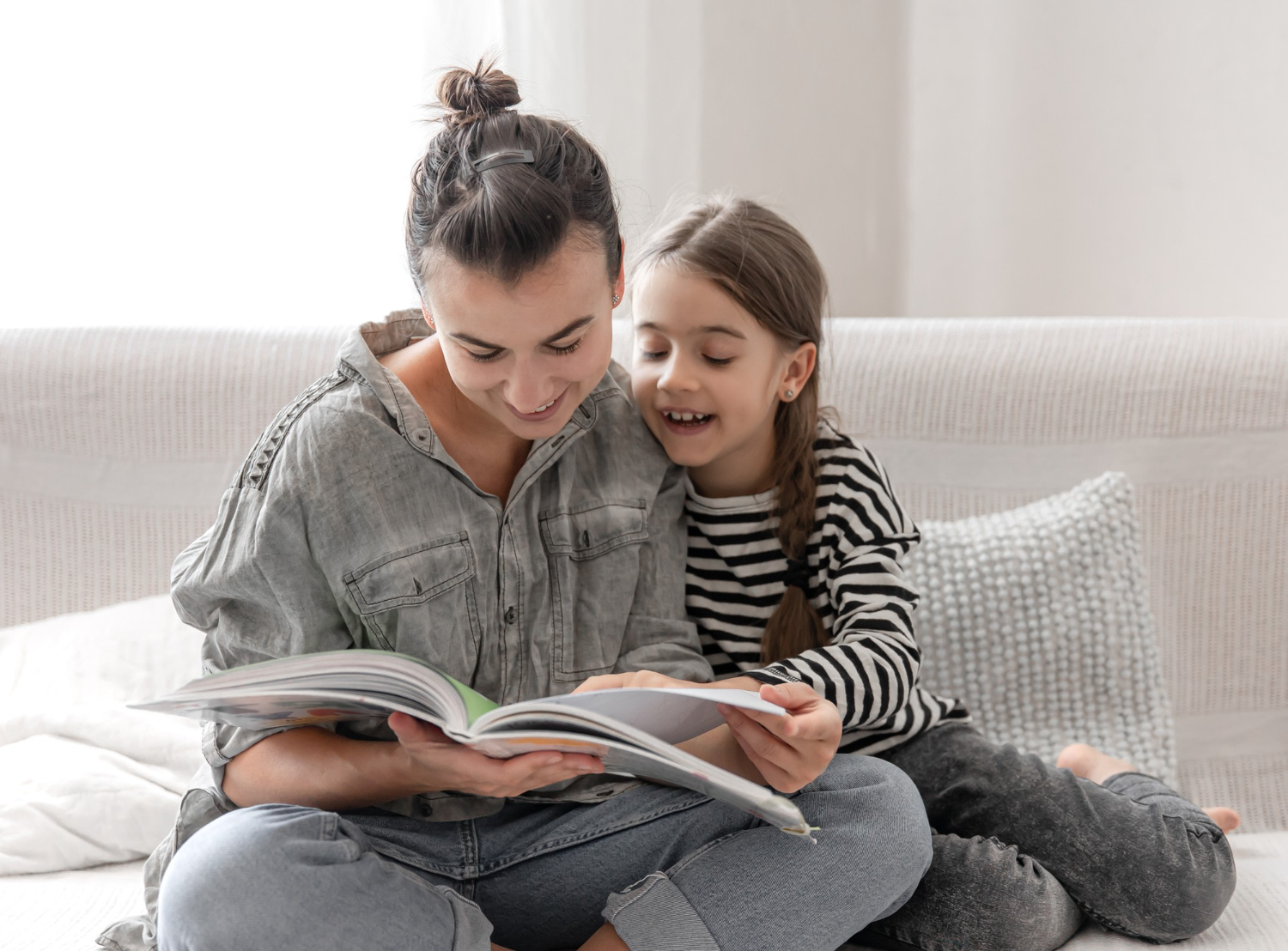
Creating a memory book for your preschooler is a wonderful way to capture the precious moments of their early years. It’s not something that only you can enjoy, but something that will be lovely for your child to look at in the years to come. Memory books are more than just a collection of photos—they tell the story of your child's journey, their milestones, their firsts, and all the little moments that make their childhood special.
Here is how to create a memory book for your preschooler.
Creating a Memory Book for a Preschooler
Following are the different ways to create a memory book for a preschooler.
Gather Your Materials
You should prepare all the materials that you would require, before moving to the next step. Successful scrapbooking includes a strong scrapbook or photograph, glue, paints and colour, marker pens, stickers and washi tape. You could also add spaces, pockets and envelopes so as to hold small things that may include small drawings or other special things. Select only materials that will not be acidic so as not to have the photos and pages of the memory book fade away after some time.
Organise Your Pictures and Souvenirs
Gather all photos, artwork, and any other items that you may have collected during the preschool years of your child. This may include the opportunities to take group photographs during outings, birthday parties, holidays and even other usual incidences. Do not leave out key developmental milestones that your child achieves for instance the first day at preschool, making the first friend or the first drawing. Put the collected items in the memory book in chronological order or use a certain theme in order to make the result look like a story.
Create Themed Sections
It might be helpful to subdivide your memory book by topics to help you with the kind of search you are doing now. For instance, you could have different categories for ‘Firsts’, ‘Family & Friends,’ ‘Holidays’ and ‘Preschool Fun’, to capture different aspects of the child’s life. For each of the sections, incorporate captions or notes that will narrate the events or milestones – then make the memories even more vivid.
Include Personal Touches
To make the memory book even more personal you can also put other elements into the memory book which characterise your child. This could be a page where you have placed items that they like, for instance, foods and toys or games and fun stuff. Another idea of putting elements of mumbo-jumbo is to put the jokes, funny phrases, or things your child has said that made you laugh, the child’s handwriting or scribblings. These little details add character and openness to the memory book making it a history of your child’s early years.
Involve Your Preschooler
One of the best ways to involve the preschoolers and spend some quality time with them is to share the work of creating a memory book. They should be allowed to select some of the best or favourite pictures they took or drew in coming up with the book. You can also ask them to assist by putting stickers, stamps or drawings on the pages. Having your child participate in creating the thank you memory book adds more value to the memory book itself as well as instills confidence as well as pride in him or her knowing that he or she created the special memory book.
Add Journal Entries or Letters
It is also advisable to write brief journal entries or letters to your child in the memory book. This can be a narration of the day’s events, likely in a dream. These written memories consist of a much more significant amount of sentiment and give your child an insight into how much they were loved during these years.
Capture Everyday Moments
Although you have to highlight significant events, try not to ignore all those events that define your child’s life. Accidentally, a picture of them playing with their favourite toy, the family dinner or when they hugged a pet — these are the moments that everybody wants to remember their childhood.
It is recommended to develop a memory book for a preschooler to capture the moments for life. It is work that gives a guardian a chance to reminisce about childhood and embrace the child’s gradual development. If you arrange your and your child’s photos and tiny mementoes, decorate the album with tenderness and let your child help with the creation of the scrapbook.


