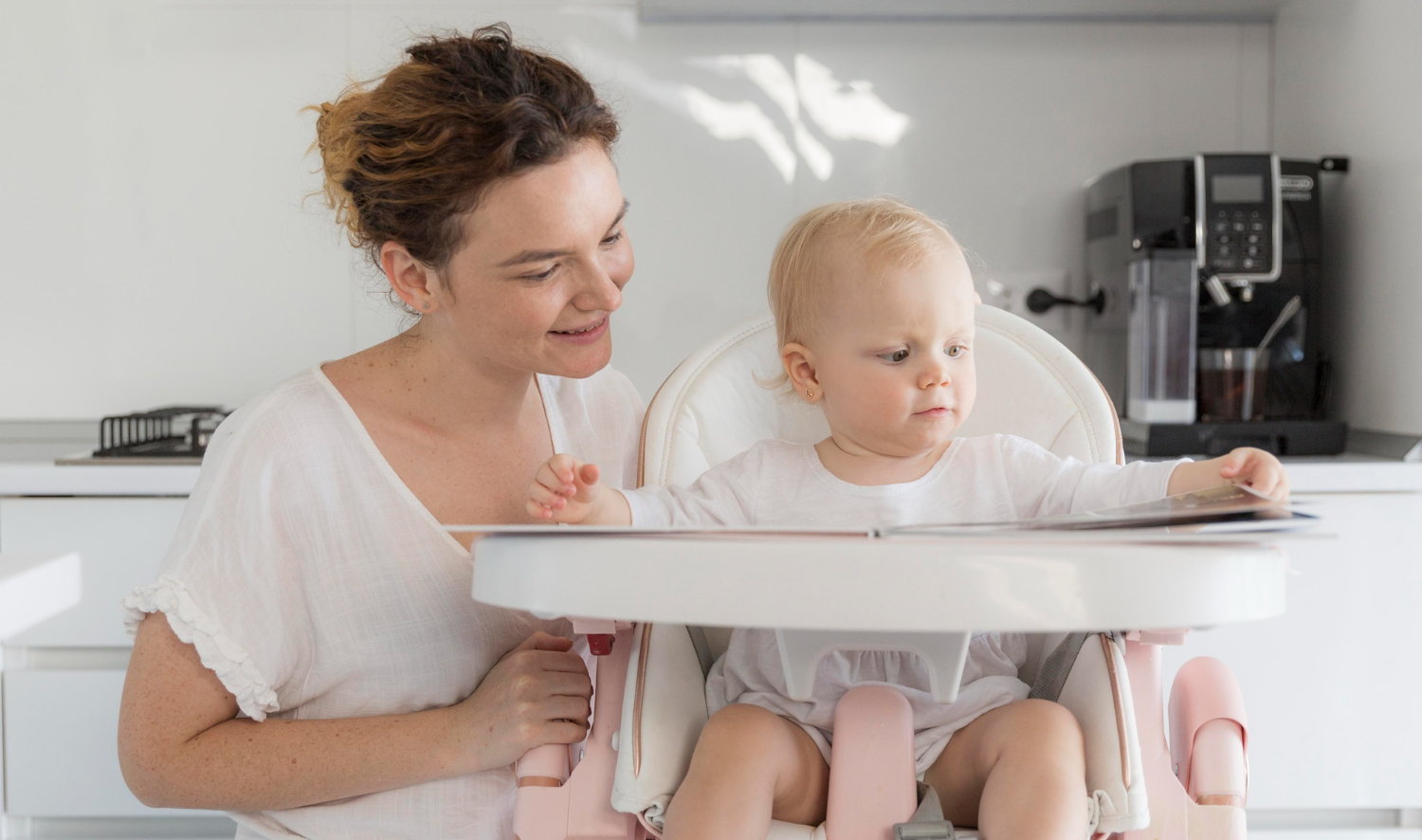
Getting a newborn can be a thrilling experience. It is going to be normal amidst all that happiness to figure out how to bring some sanity into what many times feels like chaos. Establishing a daily routine for your newborn will go a long way in providing you and your baby some stability and comfort, though approach this flexibility given that newborns do not know the world outside the womb.
Let’s take a look and ways to create a daily routine for a newborn and elaborate on its different aspects.
Importance of a Flexible Schedule
Establishing a daily routine for your new baby is less about rigid scheduling and more about developing a gentle rhythm that suits your baby's needs. Newborns do not yet have a sense of time, so it is important to remain flexible and go with the flow according to their signals.
A routine is a good thing: it makes your baby feel safe and you can keep up with other essentials to do with the baby, like feeding and sleeping, with the least stress. You should be able to adjust it accordingly over time according to the baby's set patterns.
Remember always though, every baby is an individual; what works with one might not necessarily work with another. Be patient and open to adapting these routines as you learn more about your baby and their preferences.
Balance Between Feeding, Sleeping and Playing
One of the very important components in a newborn's daily routine is balancing feeding, sleeping, and playing.
The understanding of how these elements come together could help you design a routine in support of your baby's growth and development.
Feeding
Newborns should generally be fed every two to three hours, whether breastfed or formula-fed. It's key to watch for signs of hunger, like rooting around for a nipple, sucking on their hands, or becoming fussy.
By keeping a flexible feeding schedule, your baby will get the right amount of nutrition without the pressure of strict timings.
Sleep
Newborns sleep very much, sometimes as much as 16–17 hours a day, but their sleep is spread out in short intervals. Through the creation of an optimal sleep-friendly environment, it is possible to set good sleeping routines.
Look for signs that show your baby is tired, like yawning, rubbing eyes, or getting fussy, and try laying your baby down at these cues to take a nap.
Playtime
While the newborn baby does not play in the same way that it does after some months, short intervals of playtime are an excellent method to include a healthy part of the baby's development.
Simple activities like tummy time, talking to your baby, or showing them high-contrast images do stimulate their senses and encourage muscle development. Playtime need not be long, but a few minutes at a time suffice.
Adapting Routines as Your Baby Grows
Gradually, your baby's needs and patterns will change. You may need to alter the routine slightly to better suit them. From three to four months: By this time, you might be noticing that your baby is beginning to consolidate sleep periods.
They may be going slightly longer between feeds or napping. This is absolutely a normal way of things, so let's get more structured.
At this age, you can start getting a little more of a fixed routine into the bedtime hours, such as a bath, feed, lullaby, and a comfortable space to let him or her go to sleep. As your baby grows older, you will be able to enjoy longer play periods, with the presentation of new activities appropriate for their level of development.
Basics of Baby-Proofing
It's never too early to start preparing your home for a mobile little one. Creating a safe place for your baby is very important as your baby starts rolling over, crawling and reaching things they are not supposed to have.
The Safe Sleep Area
Your baby's sleep area should be safe and conducive to restful sleep. The crib or bassinet should have been cleared of soft bedding, pillows, and stuffed animals, which may suffocate the baby.
Use only a firm mattress with a fitted sheet, and always place the baby on their back to sleep to minimise SIDS risks.
Prepare for Mobility (Rolling Over, Crawling)
As your baby reaches the age where he or she will start rolling over and crawling, you need to baby-proof just a little bit further. Consider putting up safety gates at the top and bottom of staircases.
You might also want to think about securing shelving units and heavy furniture by installing brackets so they don't fall over if your child tries to pull up on them. Additionally, make sure to cover electrical outlets and keep small objects that can pose a choking hazard away from your child. Keep dangerous items like cleaning supplies and medications out of reach.
It is also very important to ensure that any play areas are free from sharp corners or edges; use guard protectors on any such sharp areas of low furniture. As your baby starts to become more curious, it is also a good idea to install locks on cabinets and drawers that may contain harmful items.
Making a daily newborn routine is an evolving process, as your baby grows. By working on a flexible schedule, allowing your baby to feed, nap, and play, you will give him security and support. Make sure you baby-proof your home by taking measures to ensure a safe environment so that now, when he starts to explore while becoming mobile, there is no hazard of him hurting himself. Just remember, each baby is unique, and it takes time, patience, and a willingness to be flexible with your baby's development and changing needs.


