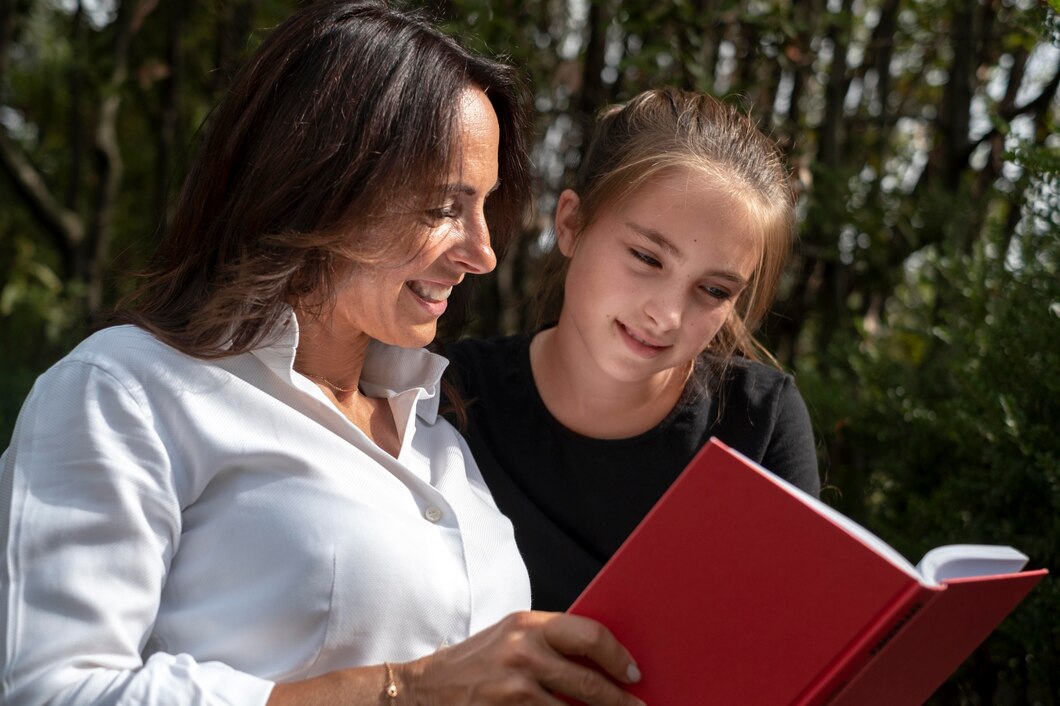
Parents must remain attached to their children as children grow up and grow into school going stalwarts. School age is divided into two namely middle childhood–year 6 and years 6-12, and during these years, there are physical, social, emotional as well as cognitive developments. At this stage, children want to be more independent and at the same time they demand strong bonds with their parents. Maintaining this special relationship with your child can enhance his or her sense of security, acceptance and self-assurance during otherwise stressful transitions.
Bonding with School-Age Child
Following are different ways of bonding with your school-age child.
Spend Quality Time Together
This is true, therefore it can be understood that one of the best ways to strengthen the relationship between you and your child is to spend time with him or her. This doesn’t have to be complex and/or take a lot of time—what is paramount is that one is attentive during these moments.
Create Daily Rituals
Small meaningful gestures that could be accomplished every day include eating breakfast together, reading a bedtime story or sharing the happenings of the day. These sorts of routines provide the necessary structure and make your child know that he or she is valued in the family.
Participate in Shared Interests
Engage in fun activities your child and you have learned together including playing a certain sport, cooking something or even doing a craft. This is because shared interest enables one to have fun and do activities together hence building good memories.
Plan Special Outings
Sometimes pick up hobbies or events which are specific to your child's own interest and preferences. Formal dates like a visit to the zoo, a picnic or a museum are also good chances for learning new things together which in turn will deepen relationships.
Communicate Openly and Often
The key factor towards healthy parent child relations is free flow of information between the parent and the child. One gets to have time and learn what the child feels and thinks, this helps to develop that kind of trust that the child has for you.
Listen Actively
If your child is speaking to you, make sure to listen to him or her intently. Ignore those distractions such as a phone or television and listen to what they are saying. During active listening you demonstrate to your child that you are willing to listen to what they have to say and or feel.
Ask Open-Ended Questions
Try asking your child: “Tell me more” when they are speaking about something; use questions that cannot be answered in just one or two words such as “what part of the day was the best?” or “how did it feel?”
Be Approachable
Tell your child that they can always share their problems with you, whichever they may be. Tell him that you will always be there to listen and support him and while growing up he should know he can discuss anything with you.
Show Affection and Support
Let the children know that they are loved and supported all the time irrespective of their age. Affection and encouragement are therefore essential for keeping a strong relationship with your child.
Express Physical Affection
As the child ages, he or she constantly requires physical touch and touch stimuli. This is probably the best advice a parent can ever be given; simple things like hugging, perhaps handshakes, or even a pat on the child’s back can really help to affirm this bond and help the child feel safe.
Use Positive Reinforcement
Encourage your child and reward him or her by acknowledging his or her efforts and results no matter how little. Appreciation boosts up their morale and motivates them to work harder in order to achieve success.
Be There in Times of Need
It may be important to be there for your child when he/she is facing hardships at school or has problems with friends. Just give them a shoulder to lean on, be patient and do not argue with them and let them go through their emotions.
Encourage Independence While Staying Involved
As the child joins his early ages in school, he does desire independence as compared to his previous age group. Getting involved in their lives in this manner, even as you promote this independence is a good way of building a good relationship with him.
Support Their Interests
Display concern about the things your child loves to do and the things that interest him or her. Go to their sports games, see their plays, or just simply talk to them of what they are developing. It is important because any sign of your interest in one’s life depicts that you are concerned with whatever is valuable to them.
Give Them Responsibilities
Encourage your child to be independent for age, for example, do chores, complete homework or decide what to do during their free time. This makes them have their own decisions and gains in confidence, but at the same time the comfort of knowing you are around.
Be a Part of Their School Life
It may be helpful to engage in a conversation with your child’s teachers or any other people who interact with the child in school, such as attending or scheduling PTAs, helping in the school-related activities, or just inquiring about your kid’s day at school. By being present in their educational process you demonstrate your concern and care about them and their studies.
Practice Tolerance
Respect and understanding make a good foundation for the proper parental figure – child relationship. You should also remember to respect your child’s personal decisions and try to understand the uniqueness of each child as he or she is growing up.
Set Clear Boundaries
While it is good to let your child grow independently, this doesn’t mean you should not set rules to follow. Routine and reasonable expectation by a child give them some form of discipline and teaches him about responsibility and respect.
Acknowledge Their Feelings
Always accept your child’s feelings because rejection can make him/her act out more than necessary. ‘I understand how you feel even though I don’t necessarily agree with those feelings.’ Such approaches like; ‘I notice that you are angry, and it is alright for you to be angry’ make them feel appreciated and accepted.
Model Respectful Behaviour
Treat your child and others decently with words and actions and never raise your voice at anyone. Cohabitant children at homes, schools and other places should be guided and trained on proper ways of communicating and dealing with people they meet in their daily activities.
The major issues essential in the process of building a bond with your school-age child include: time, energy, and interest in them. When you invest time in each other, share ideas, kisses, let your child do things on his/her own, and set high-quality relationships, it is possible for you and your child to have a healthy bond that lasts a lifetime. It also helps their growth and development as well as builds the foundation of a strong and secure loving relationship that will sustain them as they enter the teenage and other complexities of life.


