As children transition from preschool to elementary school, maintaining good health and hygiene becomes increasingly important for their overall well-being. School-age children, typically ranging from 6 to 12 years old, face new challenges and experiences that require a proactive approach to personal care.
Let’s dive a little deeper into the health and hygiene of a school-age child.
Bathing and Skincare Tips
Personal hygiene especially in the areas of washing is essential as this is a good way of avoiding germs. Children of school-going age need to take a bath or wash with soap every one or two weeks especially if they engage in many physical activities or sweat.
Wash with warm water and gently scent either soap or body wash
Take soap and cleanly wash his body focusing on the underarms, feet and genital area.
This is in a bid to remove all the soapy scum that may cause a skin rash on the body.
You should lightly tap the skin of your baby with a towel to remove any moisture from the body.
Lastly, they should use a mild soap-free scent to moisturize it to keep the skin soft and healthy as a newborn. Tell your child to take a shower every day and use a mild soap on their face in order to avoid breakages and acne on the face.
Dental Hygiene Essentials
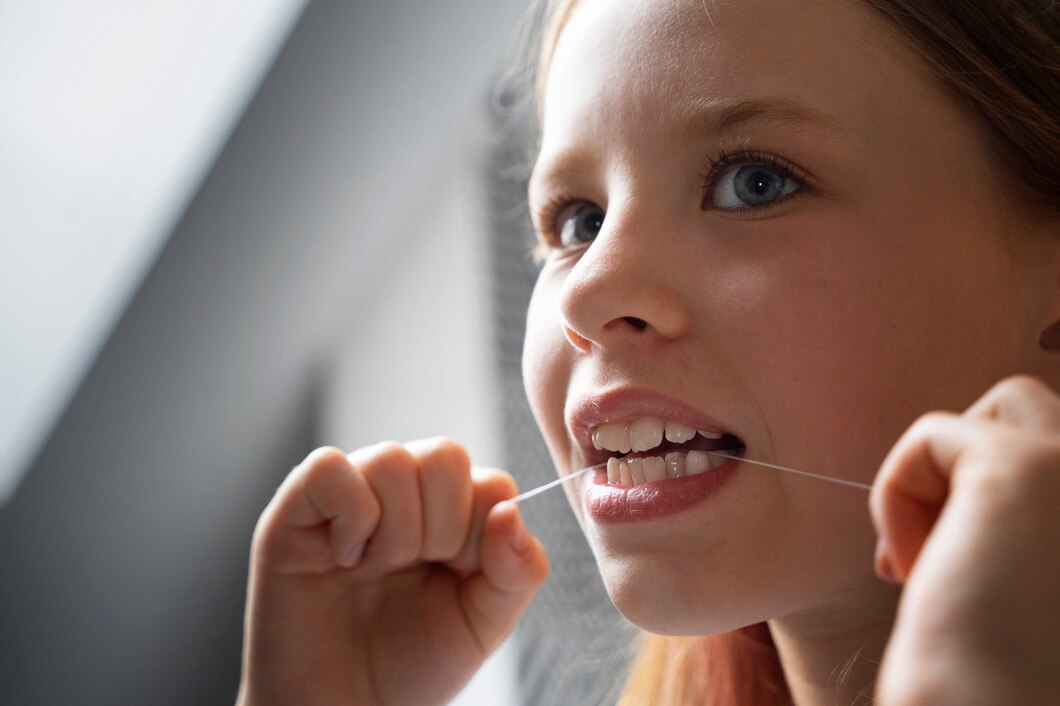
Dental care is very central to avoidance of ailments such as gingivitis, caries and malodorous breath. Children of school-going age should brush their teeth in the morning and at night and for a minimum of two minutes.
Soft bristle toothbrush and fluoride-containing toothpaste
Covers all parts of their teeth including the anterior, posterior, and occlusal surfaces.
Brushes tongue once a day, flosses once a day and cleans between the teeth to remove food particles and plaque.
It entails seeing the dentist for dental check-ups and scaling of teeth.
Remind your child to take water and milk rather than taking soda, juices or any other sweetened products that can lead to cavities. Do not let them consume foods with high sugar content and instead let them take foods with several vitamins such as fruits, vegetables and cheese.
Handwashing and Hygiene
Washing hands is one of the best practices to avoid the transmission of germs and infections in our bodies. Teach your child to wash their hands prior to doing the following task.
Before eating or touching food
After using the bathroom
It should be worn after one has blown his or her nose, cough or sneeze.
Bathing the hair with tap water is advisable of course, after the child has played outside or with pets.
Teach proper hand washing method that entails use of soap in warm water and the washing process should take not less than 20secs. If soap and water are not available, use alcohol-based hand sanitizer.
Recognizing Signs of Illness
Parents and caregivers should be able to identify signs of illness in school-aged children so that they can take necessary action. Some of the most common symptoms of illness.
Fever
Cough of more than two weeks
Vomiting or diarrhoea
Rash or skin irritation
Fatigue or lethargy
Headache or body aches
If your child develops one of these symptoms, do not send him or her to school and seek medical attention to determine the cause of the fever. Let your child know he or she should use a tissue or elbow to cover the mouth and nose when coughing or sneezing and avoid touching or sharing cups, utensils or towels with anyone else.
Promoting Healthy Habits
It has also been proven that the foundation for good habits in children can be formed at a relatively young age and these habits would follow the child for the rest of their life. Encourage your school-age child to cater to the following healthy habits.
Get sufficient sleep (9-12 hours per night).
Take adequate amounts of fruits, vegetables and whole grains in your daily diet.
Engage in regular exercise through physical activities in the form of games and sporting activities.
Minimize TV watching and do other activities that have interest such as reading.
Learn and apply stress-reducing tactics such as breathing, prayers or discussion with an adult of trust.
By promoting these healthy habits and consistently reinforcing good hygiene practices, parents and caregivers can help school-age children develop the skills and knowledge necessary for a lifetime of good health.


