It is always a great pleasure to welcome a newborn baby into the world with a lot of enthusiasm. However, with this joy comes the responsibility of looking after your baby, their health, and their welfare. Newborn health checks are important to track your child’s progress during the first month of life and identify possible health problems. These checks are aimed at making sure that your newborn is growing properly and spiritually to fit into future health bills.
Let’s take a closer look at newborn health checks in more detail.
Newborn Health Checks
Here are some of the basic newborn health checks that you must be aware of.
First Paediatrician Visit
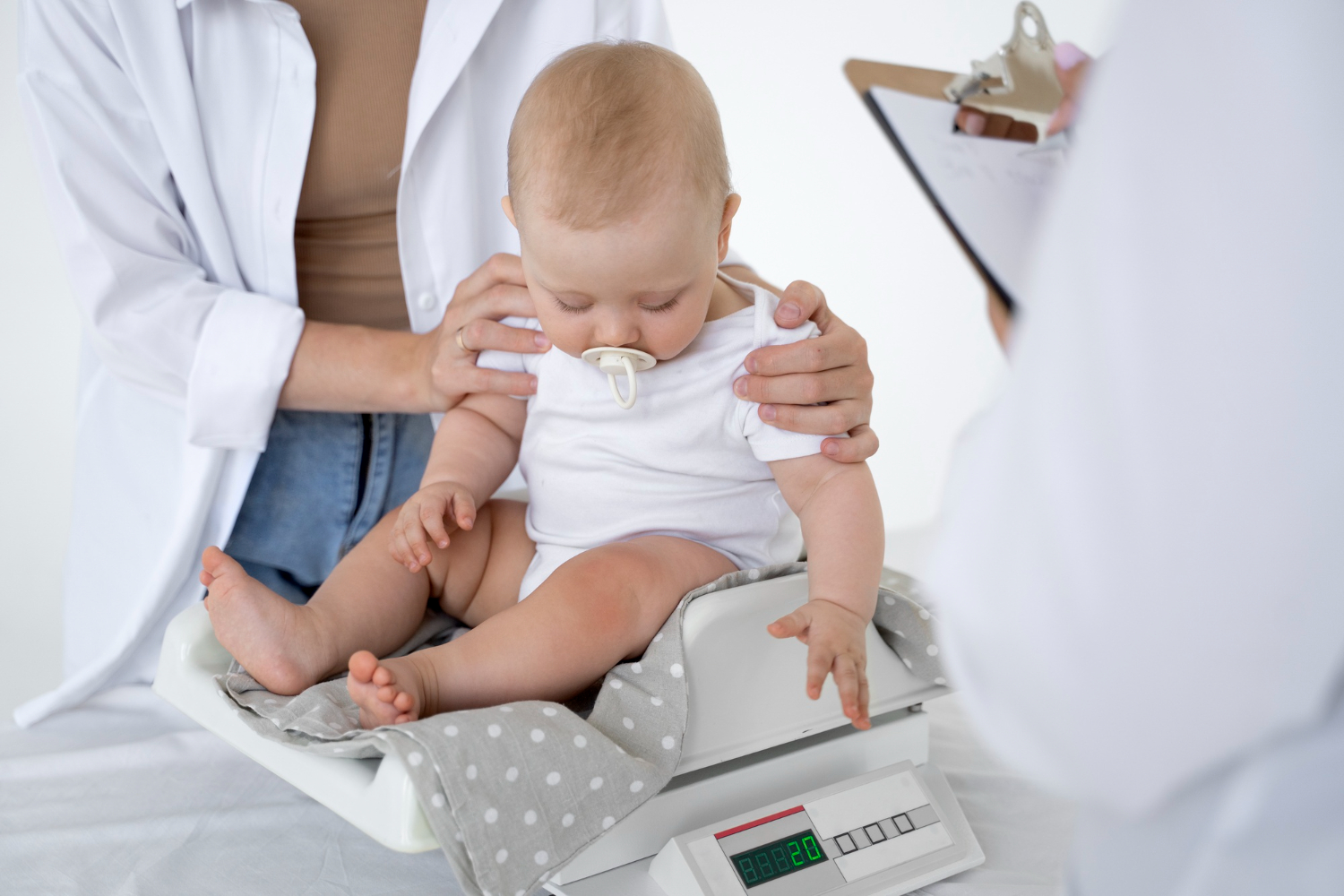
The first visit to the paediatrician is an important moment which takes place in the baby’s life. Conventionally carried out within the first week of birth, this meeting is your initial chance to talk about your newborn’s health with a medical caregiver. When doing this visit, the paediatrician will carry out a physical assessment to determine the well-being of your child.
You should take your baby to the doctor who will make measurements of the baby’s weight, length and head circumference and find out whether they fall within the normal range of the age of the baby.
The first physical examination is useful in setting a standard against which future check-ups will be administered in the tracking of your baby’s growth. The doctor will also check the baby’s vision, ears, throat, skin and assess his or her reflexes. They might also check your baby’s heart and lungs to ascertain if they are working properly. This visit is also an ideal chance to raise any issue you may have with your little one’s health or developmental issues.
Common Health Concerns
They are weak and may come along with so many health issues during the initial days of birth. Having knowledge of what these problems may present, would enable one to overcome them before they become a cause of worry.
Jaundice
It is common in newborns and it is characterised by a yellow colouration of both the skin and the eyes. It happens when bilirubin accumulates in the bloodstream, which the liver of a newborn baby cannot easily metabolise.
Jaundice being a common problem in newborns, most of them are usually not severe and clear up on their own. However, it is wise to keep an eye on your baby and seek the paediatrician’s advice in case the situation gets worse.
Feeding Issues
Bottle feeding or breastfeeding your newborn can sometimes be a bit challenging at times though it is a very special experience. Some of the common problems of feeding are, difficulties in getting a proper latch, regurgitation and poor weight gain.
It is advisable that if there are any feeding problems you should consult your doctor or a qualified lactation specialist.
Diaper Rash
Another problem which is frequently observed in newborns is diaper rash. When a baby wears diapers most of the time they remain in contact with water and rubbing from diapers causes skin inflammation.
One can minimise and treat this problem by making sure his or her baby’s diaper area is clean and dry and applying diaper rash cream.
Monitoring Growth and Development
The progress of a baby and their development is actually a strong criterion in evaluating the general health of an individual.
Thus, the normal body check-ups enable the paediatrician to establish the right development trajectory your baby should be setting.
Growth Monitoring
At every health check the progress of your baby will be assessed regarding his/her growth. Some of them involve determination of their weight, length and head circumference.
These measurements are positioned on a growth chart in order to observe your infant’s progress on a day to day basis. Regular gain is an indication that the baby is fit and well fed, that is receiving proper care and nutrition.
Developmental Milestones
Apart from, physical growth that your baby experiences, there are his or her development milestones. Some of these skill achievements include: the ability to smile, coo, grasp objects, and to roll over.
Your paediatrician will inquire on how your baby is fairing in these areas and may conduct a simple milestones assessment test. It is thus important that any such delays are identified early so that your baby gets the right assistance and therapies.
Newborn health checks as usual are very important as they aim at monitoring the health status of your baby during the first few months of his/her life. Parental education, warm interactions with the paediatrician, and familiarisation with child health issues will enable you to do the best for the baby. If you try to be informed and timely in what you do, you will be on the road to ensuring that your baby gets the best future that he or she can have.


