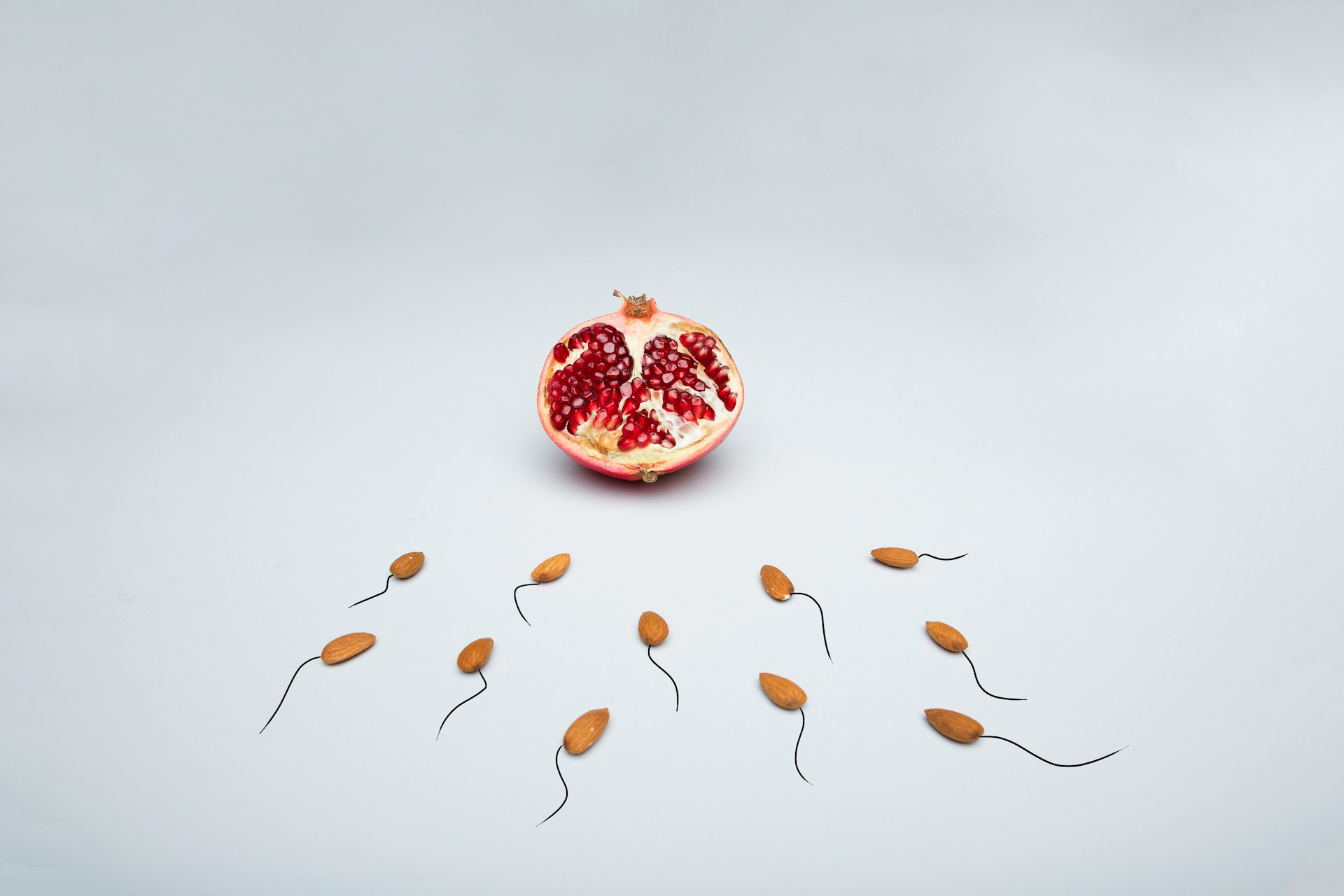
The fertility of men is the main cause of reproductive health and also a significant factor in the ability of a couple to conceive. Although most of the concentration tends to be on female fertility, it has to be noted that male fertility issues account for nearly half of all infertility cases. Getting to know the aspects influencing male fertility, effectively dealing with the problem, and searching for the solutions to reproductive health improvement are the ways out which men can choose as measures toward the achievement of the desired parenthood. This article is mainly about the male fertility topic that was given the most attention and the main parts of the text.
The Basics of Male Reproductive Health
The most important aspect of male fertility is the quantity and quality of the sperm produced by the testes. During the process of producing mature sperm, which is called spermatogenesis, the testes are involved and among the various steps, we can mention the following:
Sperm Production: The testes generate a large number, of millions of these cells, on a daily basis.
Sperm Maturation: The sperm progress through the epididymis canal, making them ski.
Sperm Ejaculation: Fully mature sperm are kept in the duct of the epididymis until ejaculation when they are sent out of the penis.
Key Factors Affecting Male Fertility
Various issues can impact the reproductive power of a man, including:
Sperm Production
The testes in the scrotum are responsible for sperm production. Spermatogenesis is the process by which the seminiferous tubules are supplied. Sperm formation is an ongoing process that is very productive, with millions of sperm cells built every day.
Spermatogenesis is a strictly controlled process by hormones such as testosterone and follicle-stimulating hormone (FSH). It starts with the separation of germ cells called spermatogonia, which experience a few development stages to change into mature sperm cells or spermatozoa.
Sperm Maturation
From the seminiferous tubules, the pint-sized jerky sperm cells voyaging through the long and cue-shaped tubes reach the epididymis located behind each testicle.
The performance of the sperm grades on their journey through the epididymis, a part of the maturation of male sex cells, lasts up to around two or three weeks. During their brief stay in the epididymis, the sperms melt in the hay. That is the time when the sperm should be buoyant and have an opportunity to traverse and install into an egg to make it fertilized.
The epididymis is a cosy inn for spermatozoon for the first phase of sameness in developing motility and function. The acrosome is the anterior part of the head of a spermatozoon which acts as a carrier of vitally important enzymes and is used for the purpose of ovum penetration during fertilization.
Sperm Storage and Ejaculation
The user of preparing sperm to be inserted into the uterine cavity is located in the tail of the epididymis toward ejaculation. Sperm met with a little gas also have to go through the vas deferens which is a muscular tube that transports sperm from the epididymis through the vas deferens by a series of contractions that move them towards semen leaving the male body.
The vas deferens is the one that brings the sperm into the ejaculatory ducts tagging them with seminal fluid that is produced in the seminal vesicles, prostate gland, and bulbourethral glands. This mix of substances gives rise to the semen, and from there, it is ejected through the urethra during ejaculation.
The semen serves as a means of transportation that ensures the survival and motility of sperm, gives them the ability to fertilize an egg, and takes them away from the women's reproductive tract which is very acidic.
Factors Affecting Sperm Quality
Several factors can influence the production and quality of sperm, including:
Genetics: Genetic factors can affect sperm production and function. Genetic disorders, such as Klinefelter syndrome, can lead to reduced sperm production and infertility.
Age: Male fertility typically declines with age. Although men can produce sperm throughout their lives, the quality and quantity of sperm tend to decrease as they get older.
Lifestyle: Diet, exercise, smoking, alcohol consumption, and stress levels can all impact sperm quality. A healthy lifestyle can help maintain optimal sperm production.
Environmental Factors: Exposure to toxins, chemicals, and radiation can negatively affect sperm production and quality. Avoiding or minimizing exposure to harmful substances can help preserve fertility.
Health Conditions: Medical conditions such as diabetes, obesity, and infections can affect sperm production and function. Managing these conditions through medical treatment and lifestyle changes can improve fertility.
Common Causes of Male Infertility
Mentioned below are some of the most common causes of male infertility.
Medical Conditions
Varicocele: Enlarged veins within the scrotum that can cause overheating and damage to sperm production.
Infections: Sexually transmitted infections (STIs) or other infections that affect the reproductive organs.
Hormonal Imbalances: Issues with hormone production, such as low testosterone levels, can impact sperm production.
Genetic Disorders: Conditions like Klinefelter syndrome or Y chromosome microdeletions can affect fertility.
Lifestyle Factors
Diet and Nutrition: Poor diet and nutrient deficiencies can negatively impact sperm production and quality.
Alcohol and Tobacco Use: Excessive alcohol consumption and smoking can harm sperm count and motility.
Stress: Chronic stress can interfere with hormone levels and sperm production.
Obesity: Being overweight or obese can affect hormone levels and reduce sperm quality.
Environmental Factors
Heat Exposure: Frequent exposure to high temperatures, such as hot tubs or saunas, can impair sperm production.
Radiation and Toxins: Exposure to radiation, heavy metals, and industrial chemicals can damage sperm and reduce fertility.
Medications: Certain medications, including anabolic steroids and some antibiotics, can affect sperm production and quality.
Tips on Improving Male Fertility
Following are tips on improving male fertility.
Balanced Diet: Eating a diet rich in fruits, vegetables, whole grains, lean proteins, and healthy fats can support sperm health.
Regular Exercise: Engaging in regular physical activity can help maintain a healthy weight and improve overall reproductive health.
Avoiding Toxins: Reducing exposure to environmental toxins and avoiding smoking and excessive alcohol consumption can protect sperm quality.
Stress Management: Practicing stress-reducing techniques, such as meditation or yoga, can help maintain hormonal balance and support fertility.
Medications: Hormone treatments or medications to address underlying health conditions can improve sperm production and quality.
Surgery: Procedures such as varicocele repair or surgery to correct blockages in the reproductive tract can enhance fertility.
Assisted Reproductive Techniques (ART): Techniques like intrauterine insemination (IUI) or in vitro fertilization (IVF) can assist with conception when natural methods are insufficient.
List of Myths About Male Fertility
Following are some of the most common myths about male fertility.
Myth 1: Male Fertility Remains Unaffected by Age
It is a myth that age and male fertility are not related to each other. Males are able to produce sperm later in life, but the sperm quality and quantity decrease. This leads to a reduced chance of conception and an increased risk of genetic abnormalities. The quality and quantity of sperm is ideal till the age of 40, after that, it starts to decline.
Myth 2: Ejaculation Can Lower Sperm Count
It is commonly believed that ejaculating frequently can lower sperm count leading to male fertility. The reality is slightly different from this myth and contains multiple aspects.
It can be true that ejaculating after a longer period can increase sperm count, but not vice versa. Ejaculating daily does not affect the sperm count. This is because the body regularly produces sperm, and maintaining a regular ejaculation pattern is considered normal and healthy.
Myth 3: Wearing Tight Underwear Causes Infertility
The idea that wearing tight underwear can lead to infertility is one of the most pervasive myths. While tight underwear can increase the temperature around the testes and potentially affect sperm production, the impact is usually minimal. It is advisable to wear loose-fitting underwear, like boxers, to maintain an optimal temperature for sperm production, but tight underwear alone is unlikely to cause infertility.
Myth 4: Lifestyle Choices Don’t Affect Male Fertility
Lifestyle choices play a significant role in male fertility. Smoking, excessive alcohol consumption, drug use, poor diet, and lack of exercise can all negatively impact sperm quality and quantity. Maintaining a healthy lifestyle by eating a balanced diet, exercising regularly, avoiding smoking and excessive drinking, and managing stress can improve overall fertility.
Myth 5: Infertility Is Primarily a Female Issue
Infertility affects both men and women equally. According to the American Society for Reproductive Medicine, about one-third of infertility cases are due to male factors, one-third to female factors, and the remaining third to a combination of both or unexplained causes. It is essential for both partners to undergo fertility evaluations to identify and address any issues.
Myth 6: Hot Tubs and Saunas Don’t Affect Sperm Production
Exposure to high temperatures, such as those in hot tubs and saunas, can temporarily reduce sperm production. The testes need to be slightly cooler than the rest of the body for optimal sperm production, and prolonged exposure to high temperatures can disrupt this delicate balance. While occasional use may not have long-term effects, frequent exposure to high temperatures should be avoided when trying to conceive.
Myth 7: Fertility Supplements Are a Guaranteed Fix
There are numerous supplements on the market claiming to boost male fertility, but their effectiveness is often overstated. While certain vitamins and minerals, such as zinc, selenium, and folic acid, are essential for sperm health, supplements alone cannot fix underlying fertility issues. It's best to focus on a healthy diet and lifestyle and consult with a healthcare provider before taking any fertility supplements.
Male fertility is a complex and vital component of reproductive health. Understanding the factors that influence male fertility, recognizing potential issues, and adopting healthy lifestyle choices can significantly improve the chances of conception. If you and your partner are experiencing difficulties conceiving, seeking medical advice and exploring available treatments can provide valuable support on your journey to parenthood. By taking proactive steps to maintain and enhance reproductive health, men can play an active role in achieving their dream of becoming fathers.


