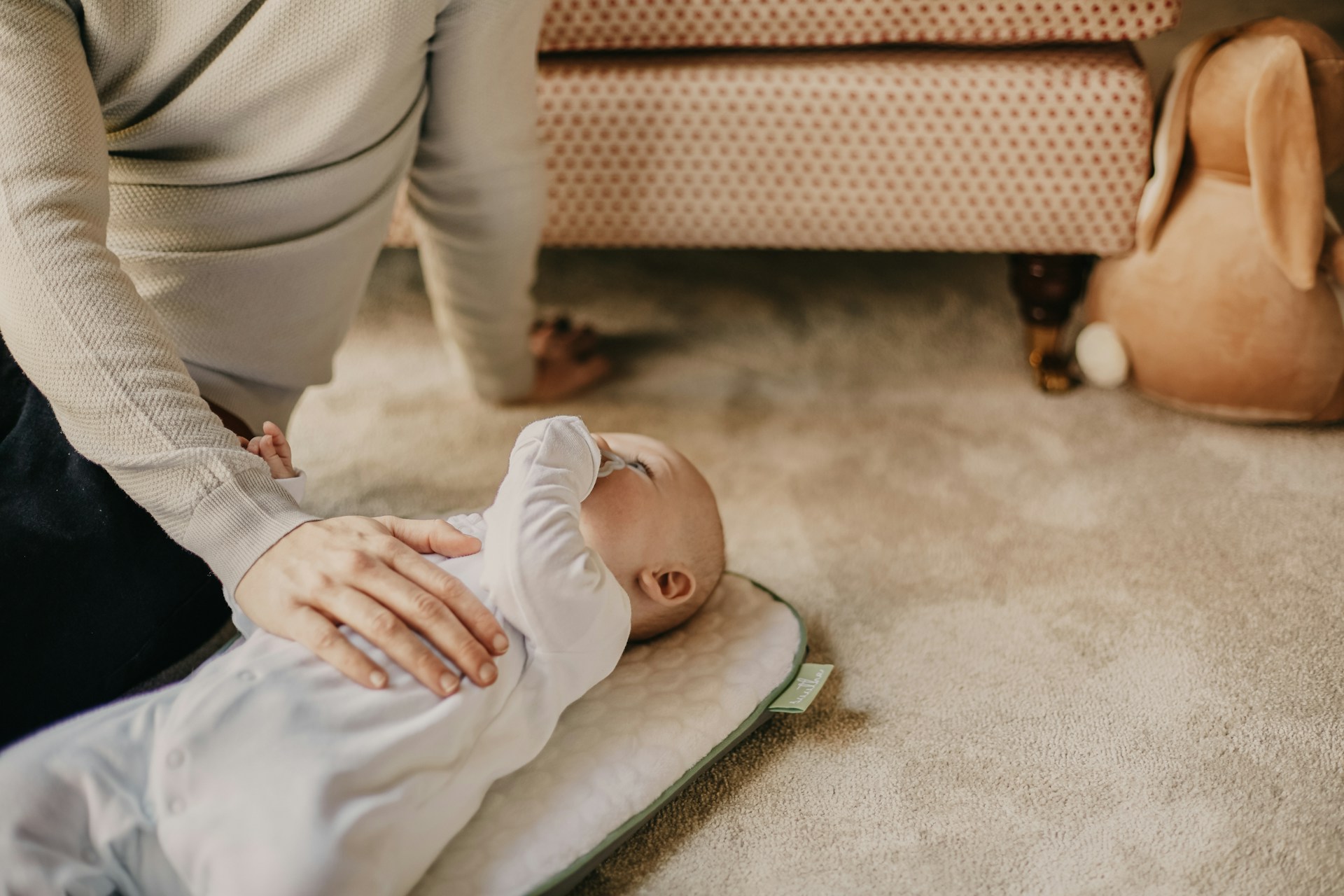
As a parent, one of your biggest duties is to ensure your child is healthy and well especially during the first year of life. The first year in a developmental process involves significant growth and making the correct actions can actually work as a good foundation for the future health of a child.
Let’s take a look at the different aspects of an infant's health and wellness that parents must be aware of.
Regular Check-Ups: The Cornerstone of Infant Health
Urgent paediatric check-ups of the patient are needed so that your growing infant’s growth and development can be assessed.
Well-Baby Visits
These visits are usually done after every two-three weeks in the first six months and after three-four months until the baby is one-year-old. On the regular visits the paediatrician will weigh, measure the length and head circumference of the baby and review the developmental progress.
Vaccinations
The most common preventive health care services provided as part of well-baby visits are immunizations. They help to prevent your baby from severe illnesses such as measles, mumps, whooping cough and many others. Your baby’s paediatrician will also give you a vaccination schedule that you should adhere to so that you give your baby the shots at the right time.
Developmental Screening
During the well-baby check-ups, paediatricians also evaluate your newborn’s physical, mental as well as emotional progress. But if there are any issues then early approach can make a lot of difference.
Nutrition: The Building Block of Wellness
It is important to ensure that your child takes the right foods if you want to see him or her grow into a healthy person. The first year is basically centred with feeding the baby the right amount of nutrients.
Breastfeeding
Breast milk is highly recommended and considered to be the best for infants as compared to other kinds of foods. It has all the nutrients your baby would require and assists in the development of the immune system of the baby.
Formula Feeding
When breastfeeding is not feasible, then the next best thing is to give the baby infant formula which is safe and contains good nutrition for the child. It is advisable that parents select a formula to feed their babies as they may need the usual milk formula, the soy or the hypoallergenic milk formula.
Introducing Solids
At around six months of age your baby will be ready for the new experience of solid foods. First solid foods should be iron-fortified cereals, fruits in mashed or pureed form.
Sleep: A Vital Component of Growth
The former is true in a sense as sleep plays a critical role in every aspect of your infant’s development. It is important to start with the process of the development of the sleep schedule because it is one of the most important things that has to be organised with growing up of the child.
Sleep Patterns
Babies at this age are found to sleep for 14 to 17 hours in a day and most of them sleep for brief periods. Breast milk ‘switches off’ the part of the brain linked to bonding, taste and smell.
Safe Sleep Environment
To decrease the risk of Sudden Infant Death Syndrome, have your baby sleep on their back, use a mattress that is firm and with no other objects such as bedding and toys.
Establishing a Routine
Developing a regular fitful pattern also assists the baby to learn when he or she should be having sleep. This could be in the form of a warm bath, rocking the baby or even reading a story before the baby goes to sleep.
Hygiene and Skin Care
The skin of the baby especially in the first one-year-old is sensitive and should be handled with care to avoid skin rashes or itching.
Bathing
Contrary to what most parents think, and this may come as a surprise, babies do not need to be bathed every day; 2 to 3 times a week would suffice. It is advisable that you use warm water and baby soap without a fragrance on your baby avoiding skin irritations that may result from excessive moisture.
Diapering
Experience has shown that one needs to change diapers constantly so that his baby does not develop a diaper rash. If you have a baby that has sensitive skin that easily gets irritated, then get a barrier cream. It is also important to let the baby be without a diaper for some time during the day for the skin to also be healthy.
Skin Care Products
When buying baby lotions, shampoos or creams always ensure that they are free from chemicals, fragrance or colour. Generally, there are no big concerns on using products that are hypoallergenic especially for the sensitive skin of an infant.
Mental and Emotional Well-Being: Nurturing Your Baby’s Development
Taking proper care of your baby’s mind and heart are as crucial as taking care of their body. Successful early relationships may help the success of your baby.
Bonding
Physical touch and affirmation through touch such as skin to skin contact, holding and talking to the baby contributes to his/her bonding and sense of security. This bonding is very important to the baby’s mental and emotional development as they grow up.
Stimulation
To encourage further brain development during your baby’s first year, you have to stimulate them with toys, reading or play. The theme, World of Discovery helps babies understand the world through their senses hence this is appropriate since all babies have is their five senses.
Responding to Cues
Closely observe the signals of your baby like when he or she cries, coos or smiles. Acting in response to these clues plays a major role in establishing trust between the parent and the child and thus creates a stronger parent child relationship.
Infant care involves proper health check on your young one, proper nutrition, sleeping pattern and the general environment where the child is left. If you regularly observe your baby and know what changes should be expected, your baby will be a healthy and joyful child.


