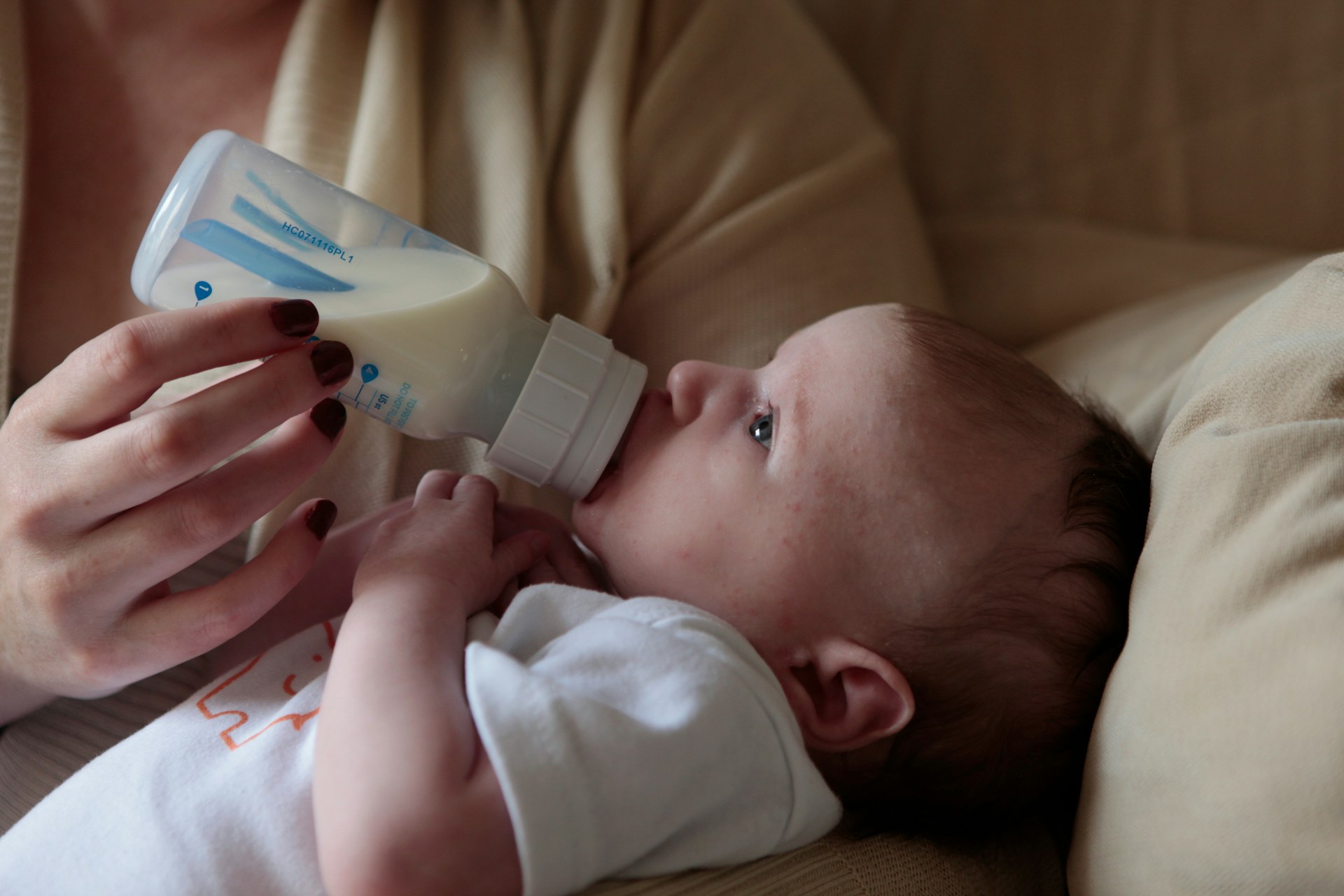
Giving food to your baby is one of the key aspects of your baby’s growth and development. It is not only that the child is being fed, but it is also a moment to feed the child and teach him or her the appropriate habits in terms of nutrition. Whether you are exclusively breastfeeding or bottle feeding or both, it is very important to know what your baby requires.
Let’s take a closer look at all the information you need about feeding your infant.
Understanding Your Infant’s Nutritional Needs
You will need to monitor your baby’s diet because he or she will require different nutrients at each stage of development. For the first half-year of the child’s life, he or she only gets breast milk or formula, and this is enough. At six months, other foods are added while breastfeeding with breast milk or adding the formula feeds. Knowledge of these needs will go a long way in making certain your baby is strong and healthy.
Breastfeeding: The Natural Choice
Breastfeeding is ideally encouraged by paediatricians across the globe as it offers your child with the perfect meal which includes all the necessary nutrients and antibodies to help him/ her fend off any infections.
Benefits
As much as Breastfeeding is important, there are many benefits that come along with it both to the baby and the mother. It cuts the incidences of infection, ensures healthy weight and facilitates proper brain development. For mothers it aids in postnatal care, quick recovery and prevents the contact of specific diseases such as cancer.
Techniques
How the baby attaches his or her mouth to the breast is critical in breastfeeding encounters.To avoid pain during feeding and to make sure your baby swallows enough milk, his or her mouth should cover both the nipple and areola.
Challenges
The following are some of the problems that may be faced by some of the mothers; this include; low supply of breast milk or sore nipples. Speaking to a lactation expert is the best thing that you can do if faced with these challenges.
Formula Feeding: A Healthy Alternative
Formula feeding is a safe and very healthy way of feeding a child especially for those mothers who cannot breastfeed or those who have decided not to.
Types of Formula
The types of infant formulas are cow’s milk-based, soy-based and those for sensitive infants, allergic or intolerant to certain foods.
Preparation and Storage
When preparing formula it is crucial to adhere to the directions to avoid harming the baby. Make sure that you warm feed bottles using boiled water and do not feed the baby using a cold bottle. If the formula is to be stored, make sure it is stored in a refrigerator.
Feeding Schedule
Formula-fed infants usually eat at 3-4 hourly intervals and once this is done, they sleep for several hours. Please be observant on signals that your baby will be giving you to determine if he/she is already hungry.
Mixed Feeding: Combining Breast and Bottle
Some of the parents opt for what is known as mixed feeding in which a child is fed on both breast milk and baby formula. It is very flexible, this method may be quite useful for working mothers or those who are likely to switch feeding responsibilities with a partner.
Introduction: It is recommended that one begins by giving a bottle with the breast milk followed by the formula. This makes it easier for the baby to make the transition to bottle feeding, yet at the same time is getting the benefits that come with breast milk.
Balancing: Finally it is important to ensure that the child does not become so dependent on the bottle so that he or she continues getting all the nutrients from breast milk and the bottle.
Introducing Solids: A New Milestone
After around six months your baby will be ready to start taking food on his or her own. It is a great opportunity facing those companies, the downside is that such conditions can be quite daunting.
Signs of Readiness: At this age your baby should be able to sit up with support, reach out for food and should be able to swallow instead of spitting out food using the tongue.
First Foods: Gradually widen from single-grain cereals or fruits and vegetables’ puree. Introduce foods one at a time and slowly so as to present a menu of balanced diet.
Allergies: Start with new types of foods one at a time and check for allergy signs including rash, vomiting or diarrhoea.
Establishing a Feeding Routine
If you establish feeding routines, this will assist your baby to develop proper feeding habits when he or she grows up.
Consistency
It is also important that you try to give your baby food during the same time in the day. Low sodium and processed foods should be avoided by them and they should also try to be as regular as they possibly can.
Responsive Feeding
It’s important to feed and soothe your baby based on his or her own hunger and satiety signals without focusing on the hours of the day. These are well-developed and are known as responsive feeding promoting healthy eating patterns.
Baby's feeding is a process that calls for care, cooperation and a trial and error affair all along. Whether you are breastfeeding, bottle feeding or introducing textured foods into the baby's diet it is very important that the baby is well fed and healthy. You know best, ask for help if you need any and just embrace these few moments of closeness with your sweet baby.


