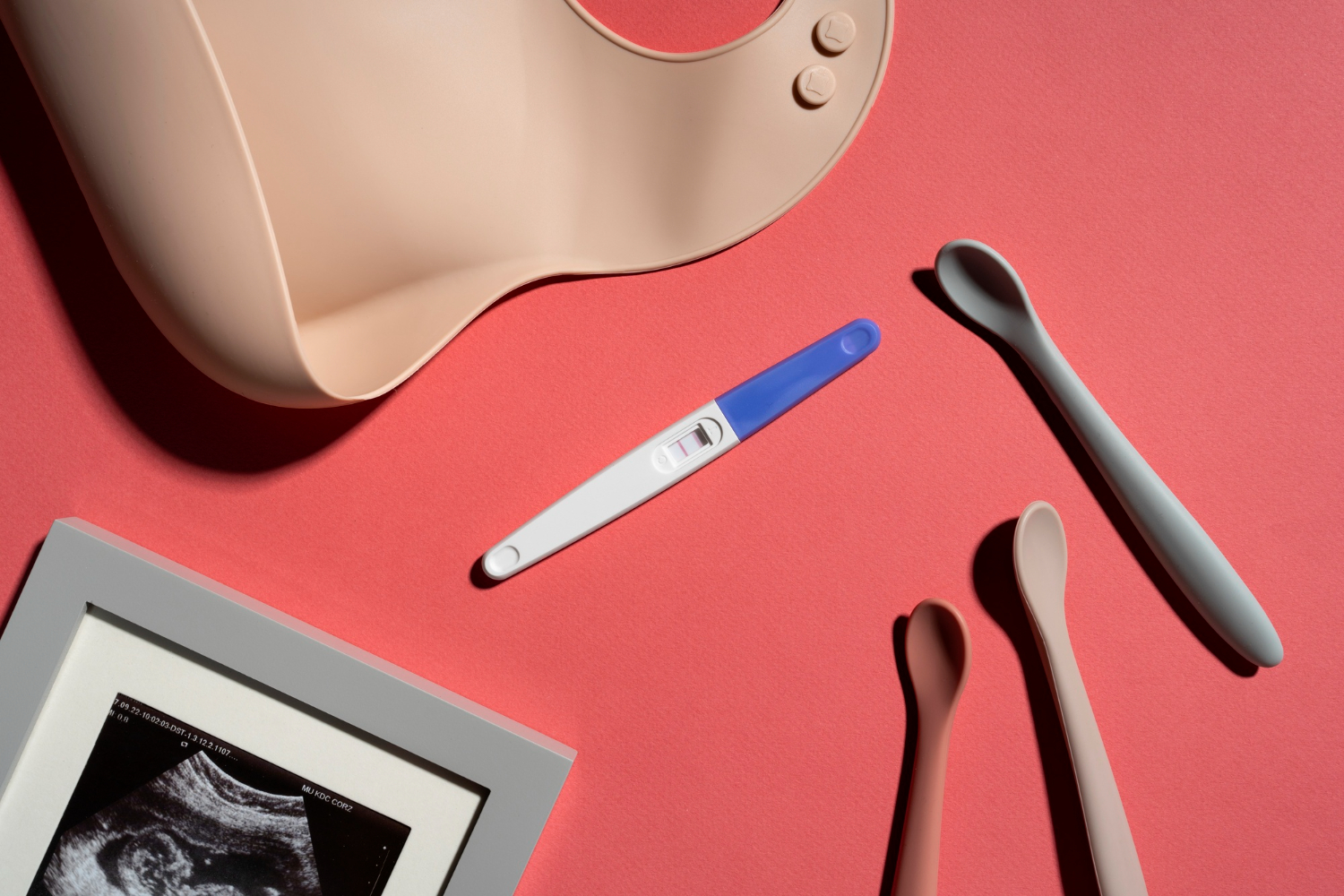
Pregnancy is a unique journey that creates many changes within a woman's body. Most of these changes are realized by various symptoms that range from mere inconveniences to big hurdles. Understanding these common pregnancy symptoms and how to manage them can help expectant mothers navigate their pregnancy with greater ease and confidence.
Following are some of the most common symptoms of pregnancy and their possible treatment.
Morning Sickness and Nausea
One of the most common symptoms of pregnancy, morning sickness affects many women at any time of the day.
Nausea: Begins usually around the 6th week of pregnancy and can last through the entire first trimester, while some women will experience this throughout their entire pregnancy.
Vomiting: Often follows nausea, sometimes making it hard to keep down food and fluids.
Morning Sickness Control
Have Small Meals at Regular Intervals: Avoid having an empty stomach, which can help manage nausea.
Rehydrate: Drink water in sips, ginger tea, or an electrolyte solution.
Avoid Triggers: Discover and avoid foods and smells that aggravate feeling nauseated.
Ginger and Vitamin B6: They have been reported in the literature to decrease nausea in some pregnant women. Always check with a healthcare provider before taking any supplements.
Fatigue and Sleep Changes
This can be a phase when the pregnancy brings drastic changes in energy levels and sleep patterns.
Increased Fatigue: This may be experienced during the first and third trimester; hormonal changes, coupled with the increased demand placed on the body, can add to this feeling.
Sleep Disturbances: Caused by discomfort, the need to go to the bathroom frequently, and anxiety from becoming a new mother.
Fatigue and Sleep Management
Rest Up: Nap when you can and heed your body's call for rest.
Establishing a Routine: Going to sleep at the same time helps to improve the quality of sleep.
Soothing Sleeping Environment: Sleep in pregnancy pillows supporting your body while reducing pain.
De-caffeinate: Minimize, especially in the afternoon and evening, to improve sleep quality.
Breast Changes
Following are some common changes in breasts that can be observed during pregnancy.
Tenderness and Swelling: In pregnancy, hormonal changes cause tenderness and swelling in the breasts, with the first trimester being the most active period.
Darkening of the Areola: It is very common for there to be increased pigmentation around the nipples.
Management of Breast Changes
Supportive Bras: Wear comfortable, well-supported bras to help minimize the pain associated with sore breasts.
Warm Compresses: For painful and tender joints.
Frequent Urination
Common in pregnancy at all stages due to hormonal changes and the growing uterus pressing on the bladder.
Managing Frequent Urination
Stay Hydrated: Drink a lot of liquid, but limit drinking towards bedtime so that you don't have to go to the washroom often at night.
Kegel Exercises: Developing muscles in the pelvic floor to control incontinence.
Constipation and Bloating
Hormonal changes may also slow down digestion and result in constipation and bloating.
Management of Indigestion
Dietary Habits Rich in Dietary Fiber: Rich in fruits, vegetables, and whole grains.
Staying Hydrated: Make it a point to drink plenty of water to help the digestive system move.
Moderate Physical Activity: Even light exercise, such as walking, can help stimulate digestion.
Excessive Gas, Bloating and Acid Reflux
Acidity or acid reflux is very common because the uterus grows, which translates to the stomach, making it push the acid up to the oesophagus.
Coping with Heartburn
Frequent Small Meals: Take meals in small quantities but more frequently to help reduce the task of full meals on your stomach.
Avoid Heartburn Triggers: Try to identify the foods that may trigger heartburn.
Head Elevation: Sleeping with the head of the bed elevated can decrease nocturnal heartburn.
Back Pain and Sciatica
The rising size of the belly alters the centre of gravity, putting more of a load on the back muscles. Moreover, irritation of the sciatic nerve can result in pain radiating down both legs.
Treating Back Pain
Keep Good Posture: To reduce the force on the back.
Prenatal Yoga: Mild stretching and strengthening activities shall minimize the occurrence of back pains.
Comfortable Footwear: Wear comfortable, supportive shoes to help reduce back strain.
Emotional Changes
Pregnancy is not just physical, but emotional.
Mood Swings: These hormone level changes could cause mood swings from being ecstatic to anxious.
Increased Stress: Worrying about the baby's health, labour, and impending parenthood can be a serious stressor.
Managing Emotional Changes
Open Communication: Talk to your partner, friends, or a counsellor about how you feel.
Prenatal Classes: A way for education on pregnancy and delivery, which women attend to.
Relaxation Techniques: Activities that reduce stress such as meditation, deep breathing, and prenatal yoga.
Pregnancy is a time of great changes in the body; thus, the associated symptoms are also easily perceptible to bear. Understanding the symptoms and how to manage them can help expectant mothers feel more comfortable and prepared. Always consult with healthcare providers for personalized advice and support throughout the pregnancy. On the other hand, the proactive management of common discomforts helps women focus more on the happy anticipation and excitement of life that they hold inside.


